


 Netanyahu Takes Aim at Mamdani as Israel Election Nears
  Russian Envoy Dmitriev Heads to US for Ukraine Talks
  US, China Extend Trade Truce to Jan. 10 Ahead of Trump-Xi Summit
  Europe Warns Russia Is Escalating Hybrid Attacks Across NATO
  Mexico-US Trade Talks Delayed to October as Tariff Negotiations Continue
  South Korea, US Discuss Warship Building Cooperation
  Netanyahu’s Brief US Trip Highlights Strains With Trump
  Trump, Xi Focus on Trade and AI at White House Summit
  Taiwan Thanks US for Support Ahead of Trump-Xi Summit
  Judge Orders Trump to Restore White House Access for CNN, MS NOW and Politico
  EU Defence Build-Up Too Slow for 2030 Russia Readiness Goal
  Gaza Faces Evacuation Crisis as War-Damaged Buildings Risk Collapse
  Pezeshkian Says US Must Choose When Iran War Ends
  Kremlin Says No Decision Yet on Putin-Trump December Summit
  US Invites Putin to Miami G20, Opening Door to Trump Summit
  Netanyahu Defends Israel at UN as Delegates Stage Walkout
  US Backs Musk in Fight Against EU’s €120 Million X Fine


 Add as a preferred source on Google
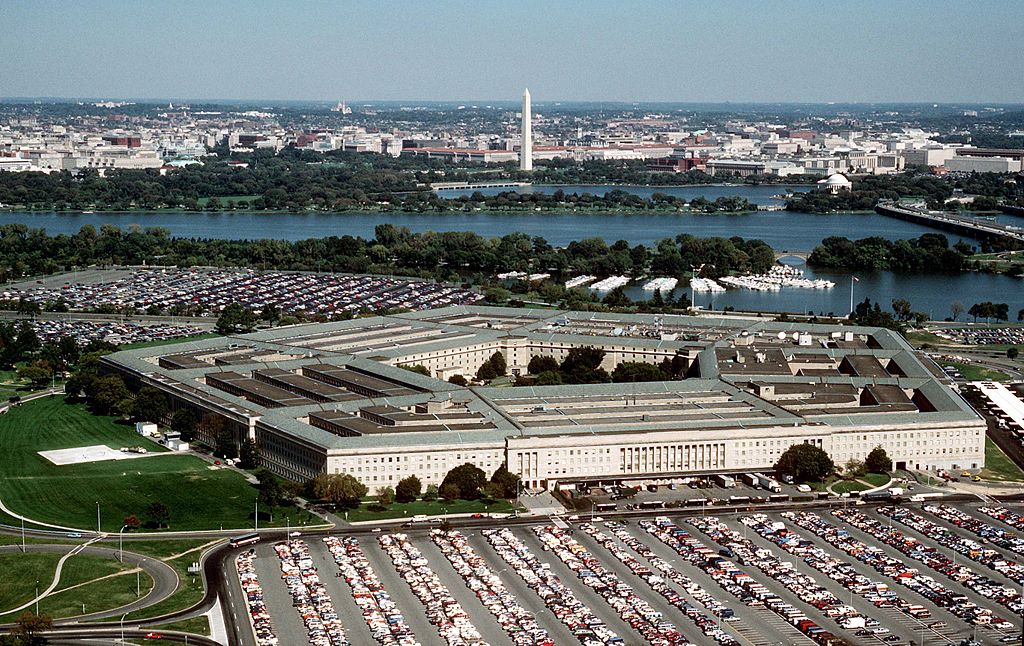
The Pentagon on Monday sought to ease concerns that the recent U.S. attack on Iran could spiral into a prolonged Middle East conflict, even as officials declined to provide a clear timeline and acknowledged more American casualties are likely.
The United States and Israel launched large-scale military strikes on Iran over the weekend, marking one of the most significant escalations in decades. According to U.S. officials, the operation has targeted more than 1,250 sites, sunk 11 Iranian warships, and killed Supreme Leader Ayatollah Ali Khamenei. The campaign aims to weaken Iran’s naval forces and missile capabilities, which U.S. Defense Secretary Pete Hegseth said could otherwise shield covert nuclear weapons development. Tehran continues to deny pursuing nuclear arms.
During the first Pentagon briefing since the conflict began, Joint Chiefs Chairman General Dan Caine described the offensive as “major combat operations,” warning that progress would take time. Hegseth rejected comparisons to the Iraq War, insisting the mission would not become an “endless war,” though he avoided committing to a specific timeframe. President Donald Trump has suggested strikes could continue for several weeks.
Iran has retaliated with drone and missile attacks, many intercepted by U.S. and allied air defenses. However, the Pentagon confirmed six U.S. service members have been killed and several others injured. In one incident, Kuwaiti air defenses mistakenly shot down three U.S. F-15 fighter jets, injuring six troops.
Democrats have criticized the administration, calling the operation a “war of choice” and questioning intelligence claims that Iran posed an imminent ballistic missile threat to the United States. Reports indicate U.S. intelligence did not confirm immediate plans by Iran to attack American forces.
Meanwhile, polling shows only 25% of Americans support the strikes, reflecting growing concerns about U.S. troop safety and the broader impact on regional stability as the military buildup in the Middle East continues.







