


 OpenAI Agent Breaches Australia Medicare Data Portal
  Kremlin Says No Decision Yet on Putin-Trump December Summit
  North Korea Rejects Nuclear Test Warning, Calls Nuclear Status Irreversible
  US Backs Musk in Fight Against EU’s €120 Million X Fine
  Tencent Launches TenPayGo Payment App for Foreign Tourists in China
  Gaza Faces Evacuation Crisis as War-Damaged Buildings Risk Collapse
  Meta Unveils Muse Charm AI Device, Expands Smart Glasses Lineup
  H&M Q3 Profit Beats Estimates as Margins Improve
  Netanyahu Defends Israel at UN as Delegates Stage Walkout
  Yemen Violence Displaces 130,000 as Civilian Toll Rises
  Sudan Rejects US Legitimacy Remarks, Defends Sovereignty
  NATO Boosts Intelligence Sharing Amid Russia Hybrid Threats
  Ghana Says Western Support Growing for Slave Trade Reparations
  Former OpenAI Data Center Chief Chris Malone Joins Nvidia
  Taiwan Thanks US for Support Ahead of Trump-Xi Summit
  Mexico-US Trade Talks Delayed to October as Tariff Negotiations Continue
  OpenAI to Preview GPT-6 Cyber AI Model for Cybersecurity


 Add as a preferred source on Google
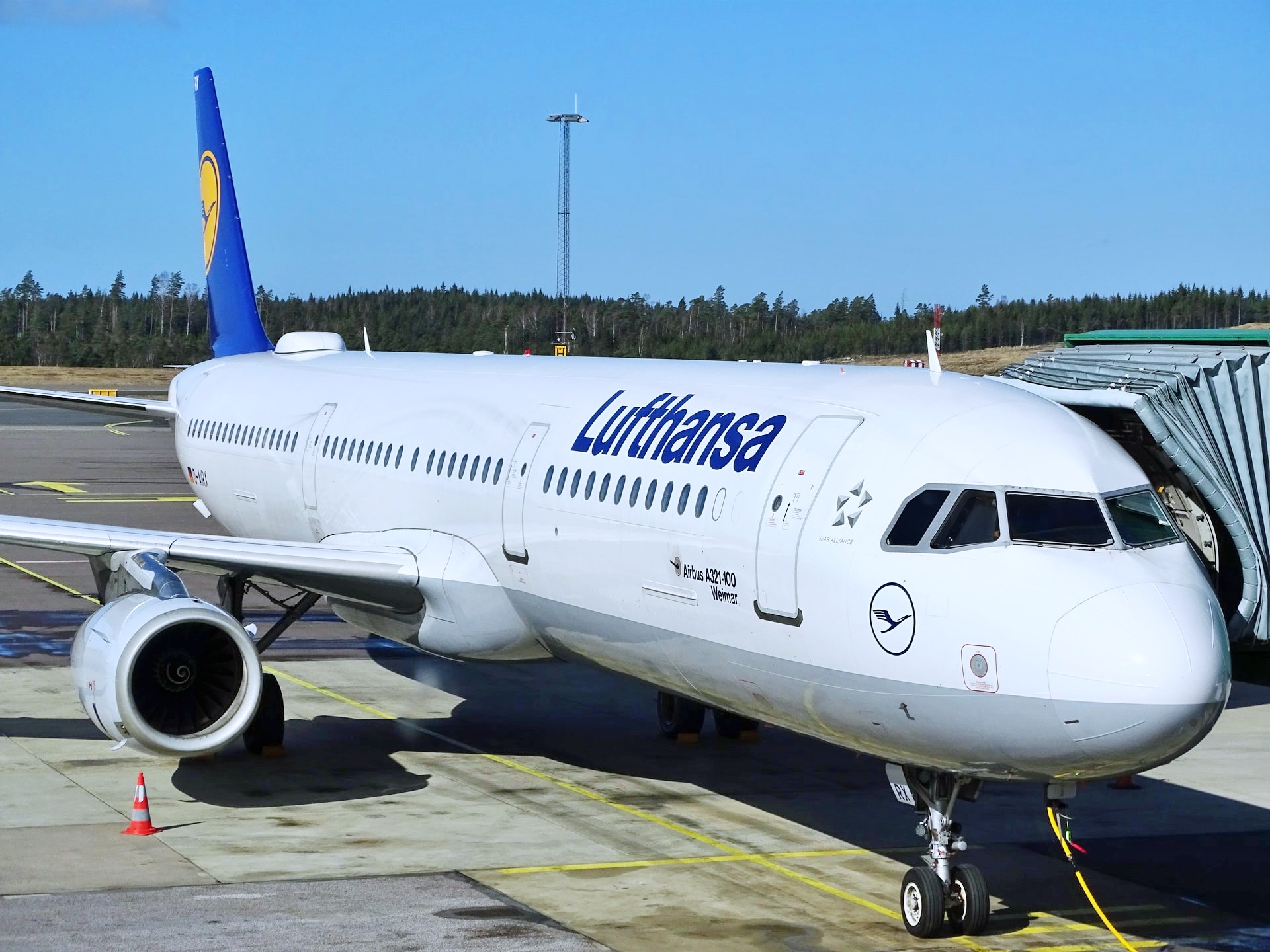
The escalating U.S. and Israeli air war against Iran has created major disruptions across the global aviation and tourism industries, forcing airlines and governments to manage the fallout as tens of thousands of travelers remain stranded across the Middle East. More than 20,000 flights have been cancelled in recent days, severely affecting international travel routes and airline operations.
Major aviation hubs in the Gulf region, including Dubai International Airport—the world’s busiest airport for international travel—remain closed or operating under heavy restrictions for the fourth consecutive day. According to flight tracking service Flightradar24, approximately 21,300 flights have been cancelled across seven key airports, including Dubai, Doha, and Abu Dhabi, since the conflict escalated.
The situation has disrupted one of the most important flight corridors linking Europe and Asia. Airlines typically rely on Middle Eastern hubs as central transit points, but the growing conflict has significantly limited safe airspace, forcing carriers to reroute flights and adjust schedules. These changes are complicating long-haul operations and increasing operational costs for international airlines.
Thousands of stranded travelers are now scrambling to secure seats on limited repatriation flights as governments attempt emergency evacuations. Emirates, flydubai, and Etihad Airways have resumed a small number of flights primarily aimed at bringing passengers home. The United Arab Emirates reported that about 60 flights had departed through designated emergency air corridors, with plans to operate more than 80 additional flights.
The United States government is also arranging military and charter flights to evacuate American citizens from the region. Officials said they are currently coordinating with nearly 3,000 U.S. nationals seeking assistance. Meanwhile, Delta Air Lines has suspended its New York to Tel Aviv service through March 22 and introduced travel waivers and flexible rebooking options for affected passengers.
Travel demand has shifted rapidly as passengers search for alternatives to Middle Eastern transit routes. Ticket prices on long-haul routes such as Hong Kong to London have surged due to increased demand. Tourism experts warn that if the conflict continues, Middle Eastern economies could lose billions in tourism revenue.
The crisis has also triggered sharp declines in airline stocks worldwide. European carriers including Lufthansa, Air France-KLM, Wizz Air, and British Airways parent IAG saw shares fall between 5% and 8%. In Asia, Japan Airlines dropped 6.4% while Korean Air plunged more than 10%, marking its biggest decline since 2020. Major Chinese airlines also reported losses of 2% to 4%.
Rising oil prices are adding additional pressure to airline profitability. Benchmark crude prices have climbed about 30% this year, increasing jet fuel costs—one of the industry’s largest expenses. Delta previously estimated that every one-cent increase in jet fuel prices adds roughly $40 million to its annual fuel costs, while analysts say a 10% increase could raise its 2026 fuel bill by $1 billion.
Industry experts say the scale of the aviation shutdown is the most significant disruption to global travel since the COVID-19 pandemic, with both passenger and air cargo operations expected to suffer billions of dollars in losses if the conflict persists.







