


 Colombia Extradites FARC Dissident Leader ‘Spider’ to US
  Australia Tightens Student Visa Rules, Targets Migration Cut by 2028
  Putin Says Ukraine Peace Proposals Remain on Table
  Trump Bans CNN, MS NOW and Politico From White House
  FDA Weighs Safety Standards for Psychedelic Therapies
  Nvidia-Groq AI Chip Deal Faces U.S. Antitrust Probe
  White House Bars CNN, MS NOW and Politico Reporters
  Evan Gershkovich Says FSB Set Trap for 2023 Russia Arrest
  Netanyahu’s Brief US Trip Highlights Strains With Trump
  US Bans Canadian Alcohol, Motorcycles as Trade War Escalates
  US Backs Musk in Fight Against EU’s €120 Million X Fine
  US Northeast Airports Resume Operations After Telecom Outage Disrupts Thousands of Flights
  FAA Allows Boeing to Sell 35 More 777F Freighters Beyond 2028
  Abbas Reaffirms November 28 Palestinian Elections
  What ‘Taiwan Independence’ Means as Xi Presses Trump on US Policy
  Synthetic data could ease people’s concerns about privacy breaches. But who gets to create it?


 Add as a preferred source on Google
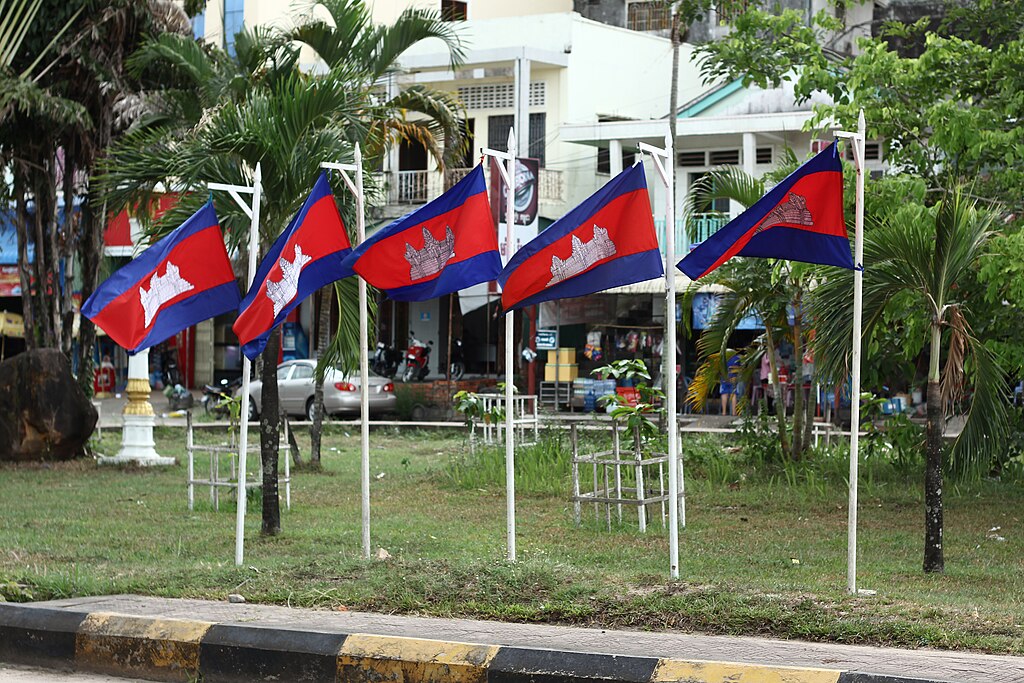
The United States has officially lifted its arms embargo on Cambodia, marking a significant shift in Washington’s relations with Phnom Penh. The decision follows a ceasefire agreement signed last week between Cambodia and Thailand, mediated by U.S. President Donald Trump.
The ban, imposed by President Joe Biden in 2021, restricted defense exports to Cambodia due to concerns over Chinese military influence, corruption, and human rights violations. However, according to a notice in the Federal Register, U.S. Secretary of State Marco Rubio reversed the restrictions, citing Cambodia’s “diligent pursuit of peace and security” and its renewed cooperation with the U.S. in defense and anti-crime efforts. Arms exports will now be approved on a case-by-case basis.
This policy change comes amid uncertainty about China’s continuing military presence at Cambodia’s Ream Naval Base, a strategic site in the South China Sea. Despite ongoing concerns, both the State Department and Cambodia’s embassy in Washington declined immediate comment.
U.S. Secretary of Defense Pete Hegseth also met with Cambodian Defense Minister Tea Seiha in Malaysia, announcing the revival of the countries’ premier bilateral military exercises. Cambodian Prime Minister Hun Manet praised the diplomatic progress, even nominating Trump for the Nobel Peace Prize for his role in the ceasefire deal with Thailand.
Gregory Poling, a Southeast Asia analyst at the Center for Strategic and International Studies, noted that the U.S. move was likely symbolic. He doubted Cambodia’s capability or desire to purchase advanced American weapons but acknowledged that the development followed a familiar pattern of U.S. attempts to reset ties with Phnom Penh.
Still, analysts say the true test of this renewed partnership will be whether Cambodia allows U.S. access to the parts of Ream Naval Base reportedly reserved for Chinese use.







