


 Iran’s Hormuz Oil Pressure Fades as Gulf Crude Flows Continue
  South Korea, US Discuss Chip Investments Amid Tariff Plans
  Trump Names Adam Telle Acting U.S. Army Secretary
  Pacific Leaders Raise Alarm Over China Missile Test as Nauru Dissents
  Taiwan Condemns China’s ‘Wolf Warrior’ Diplomacy at Pacific Islands Forum
  Lula’s Lead Over Flavio Bolsonaro Narrows Ahead of Brazil Election
  Costa Rica President Backs Potential US Ground Operations
  Brazil Warns EU of Retaliation Over Animal Products Ban
  U.S. Issues Cuba Health Alert as Illnesses Rise
  Vietnam Leader To Lam Plans Russia, France, US and Canada Visits
  Australia, US Move to Expand Defence Ties in Indo-Pacific
  Haiti Urges UN to Extend Gang Suppression Force Ahead of December Election
  US Investigates Deadly Strike on Iranian Wedding
  Maduro Seeks Dismissal of US Drug Trafficking Charges
  Trump Seeks Europe Repayment for U.S. Ukraine Military Aid


 Add as a preferred source on Google
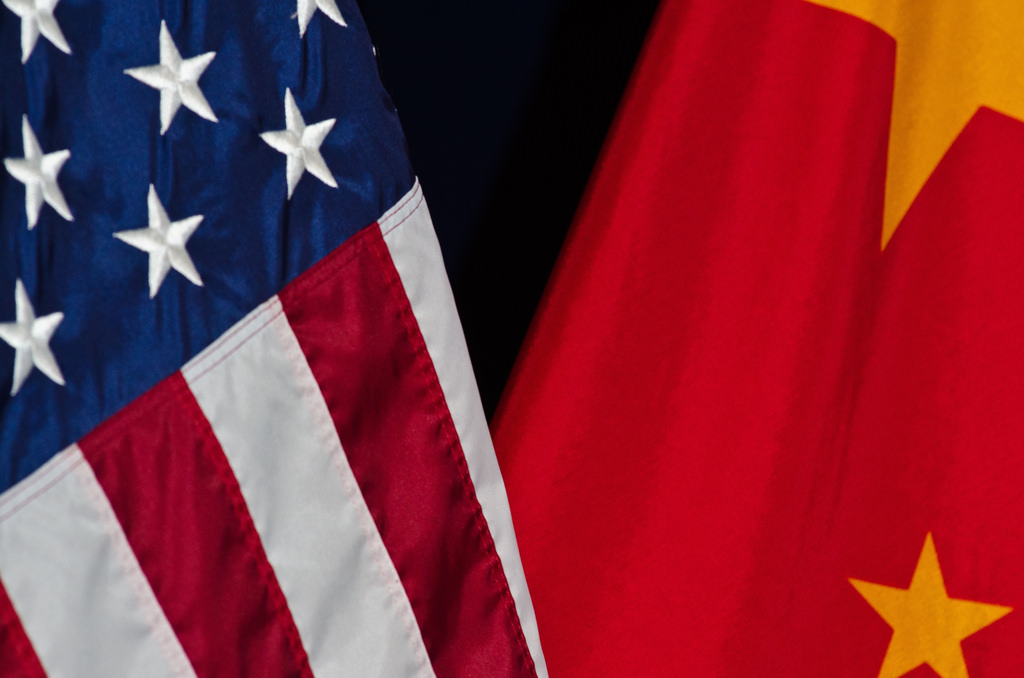
A bipartisan group of U.S. lawmakers visited Beijing for the first time since 2019, meeting with Chinese Premier Li Qiang to call for renewed engagement between the world’s two largest economies. The delegation, led by Democratic Representative Adam Smith, stressed the need for stronger diplomatic and military dialogue as well as cooperation on global challenges.
The trip followed a recent call between Presidents Donald Trump and Xi Jinping, signaling attempts to stabilize U.S.-China relations after years of strain. Tensions have risen over issues including trade disputes, U.S. restrictions on semiconductor technology, the future of TikTok, China’s military activities in the South China Sea, and Taiwan.
Premier Li described the visit as an “ice-breaking” moment for bilateral ties. Smith, a former chair of the House Armed Services Committee, emphasized that years without direct congressional visits should not continue, adding that regular exchanges are vital to strengthening relations.
According to Smith’s office, the delegation discussed curbing fentanyl trafficking, addressing nuclear proliferation, and developing international frameworks for safe artificial intelligence use. Lawmakers underscored that consistent dialogue would prevent misunderstandings and foster cooperation on shared concerns.
In the years when China closed its borders during the COVID-19 pandemic, U.S. lawmakers focused on travel elsewhere, with some visiting Taiwan. These visits angered Beijing, which regards the self-ruled island as part of its territory. High-profile trips included then-House Speaker Nancy Pelosi’s 2022 visit, which triggered large-scale Chinese military drills, and Representative Michael McCaul’s 2023 trip, after which he was sanctioned by Beijing.
The latest delegation’s presence in Beijing marks a cautious step toward repairing fractured U.S.-China ties, with both sides acknowledging that improved communication is essential for stability and global security.







