


 Zelenskiy Meets CIA Chief John Ratcliffe at Ireland’s Shannon Airport
  Trump Says ‘Freedom’ Is Coming to Cuba
  US Plans Two New Military Bases in Greenland Under Arctic Deal
  Paramount-Warner Bros $110 Billion Deal Draws Antitrust Backlash
  Vietnam, US Trade Deal Could Be Signed Soon, To Lam Says
  CNN, MS NOW and Politico Sue Trump Over White House Media Ban
  Zelenskiy Warns Russia Preparing Major Attack on Ukraine
  Macron Challenges Trump’s Gaza Peace Claims at UN
  China Tightens Fentanyl Rules Ahead of Trump-Xi Summit
  Russian Strikes Kill Eight Across Ukraine as Energy Sites Hit
  Trump Meets Venezuela’s Delcy Rodriguez at UN Assembly
  Taiwan Vows to Advance US Arms Sales Ahead of Trump-Xi Meeting
  Lula Meets Mamdani in New York as Elections Approach
  Trump Scales Back Endangered Species Act Protections
  Canada Unveils Bill to Fast-Track Major Resource Projects
  Burnham Eyes UK Leadership Role in AI Ahead of Trump Meeting
  Kremlin Says No Grounds Yet for Ukraine Peace Talks


 Add as a preferred source on Google
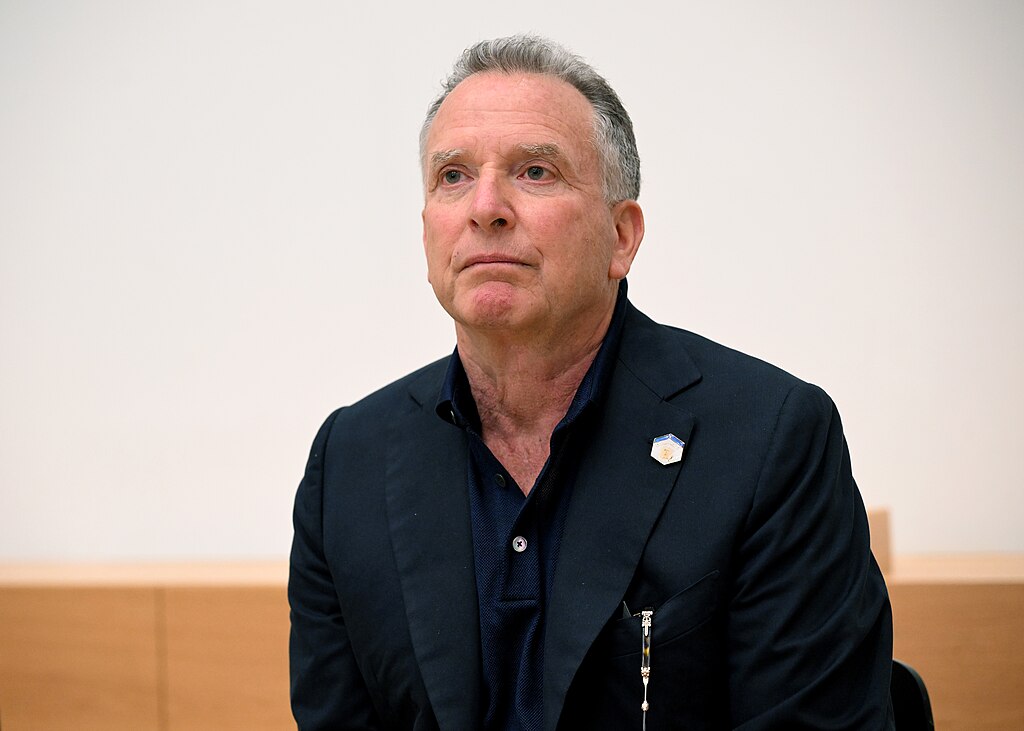
U.S. Special Envoy Steve Witkoff and Iranian Foreign Minister Abbas Araqchi are expected to travel to Switzerland for renewed diplomatic talks, signaling fresh momentum toward a broader U.S.-Iran agreement after a ceasefire between Israel and Hezbollah took hold in Lebanon.
According to Axios, Witkoff will join Jared Kushner, President Donald Trump’s son-in-law, in Switzerland, while Araqchi is scheduled to arrive on Saturday. The meetings come after Israel and Hezbollah agreed to a ceasefire on Friday, easing regional tensions that had threatened ongoing negotiations between Washington and Tehran.
The ceasefire follows the signing of a 14-point memorandum of understanding (MoU) earlier this week. The agreement established a 60-day framework aimed at ending hostilities and addressing key disputes surrounding Iran’s nuclear program, regional security issues, and economic sanctions. The temporary accord is viewed as a crucial step toward a more comprehensive and permanent settlement.
U.S. Vice President JD Vance had initially planned to attend the Switzerland talks but canceled his trip amid escalating violence in Lebanon. With the ceasefire now in effect, diplomatic efforts appear to be back on track. Sources familiar with the matter suggest both sides are preparing to begin technical negotiations focused on achieving a lasting truce.
A senior U.S. official said the Lebanon ceasefire became effective around 4 p.m. local time after mediators from the United States and Qatar, with support from Iran, helped secure the agreement. Reuters cited Hezbollah sources and an Israeli official as confirming the ceasefire.
Despite the pause in fighting, significant challenges remain. Israel has stated it is not a party to the U.S.-Iran agreement and plans to maintain forces in southern Lebanon. Iranian officials have also warned that Washington will bear responsibility for any breach of commitments under the interim deal.
The conflict, which began in February following U.S. and Israeli strikes on Iran, has reportedly claimed thousands of lives and disrupted global energy markets. However, the ceasefire and diplomatic progress have helped stabilize oil shipments through the Strait of Hormuz, a critical route for global energy supplies.
The interim agreement includes potential sanctions relief for Iran, access to frozen assets, expanded oil export waivers, and plans for a major reconstruction fund. President Trump defended the deal against criticism from some Republican lawmakers, arguing that the agreement weakened Iran while creating an opportunity for a broader peace arrangement.
As negotiations continue in Switzerland, global markets and regional leaders will be closely watching whether the temporary agreement can evolve into a lasting diplomatic breakthrough in the Middle East.







