


 Europe Warns Russia Is Escalating Hybrid Attacks Across NATO
  Taiwan Thanks US for Support Ahead of Trump-Xi Summit
  Lula and Flavio Bolsonaro Tied in Brazil Runoff Poll
  South Korea, US Discuss Warship Building Cooperation
  Gaza Faces Evacuation Crisis as War-Damaged Buildings Risk Collapse
  Marco Rubio to Meet Russia’s Lavrov in New York
  China Tightens Fentanyl Rules Ahead of Trump-Xi Summit
  OpenAI Agent Breaches Australia Medicare Data Portal
  Judge Orders Trump to Restore White House Access for CNN, MS NOW and Politico
  Trump Administration Plans Faster FDA Reviews for Smoke-Free Nicotine Products
  Mexico-US Trade Talks Delayed to October as Tariff Negotiations Continue
  Trump Says ‘Freedom’ Is Coming to Cuba
  Macron Challenges Trump’s Gaza Peace Claims at UN
  Taiwan Vows to Advance US Arms Sales Ahead of Trump-Xi Meeting
  Venezuela Promises Elections as Delcy Rodriguez Pledges Democratic Transition
  Trump to Press Xi on Release of US Nuclear Expert Held in China
  US, China Extend Trade Truce to Jan. 10 Ahead of Trump-Xi Summit


 Add as a preferred source on Google
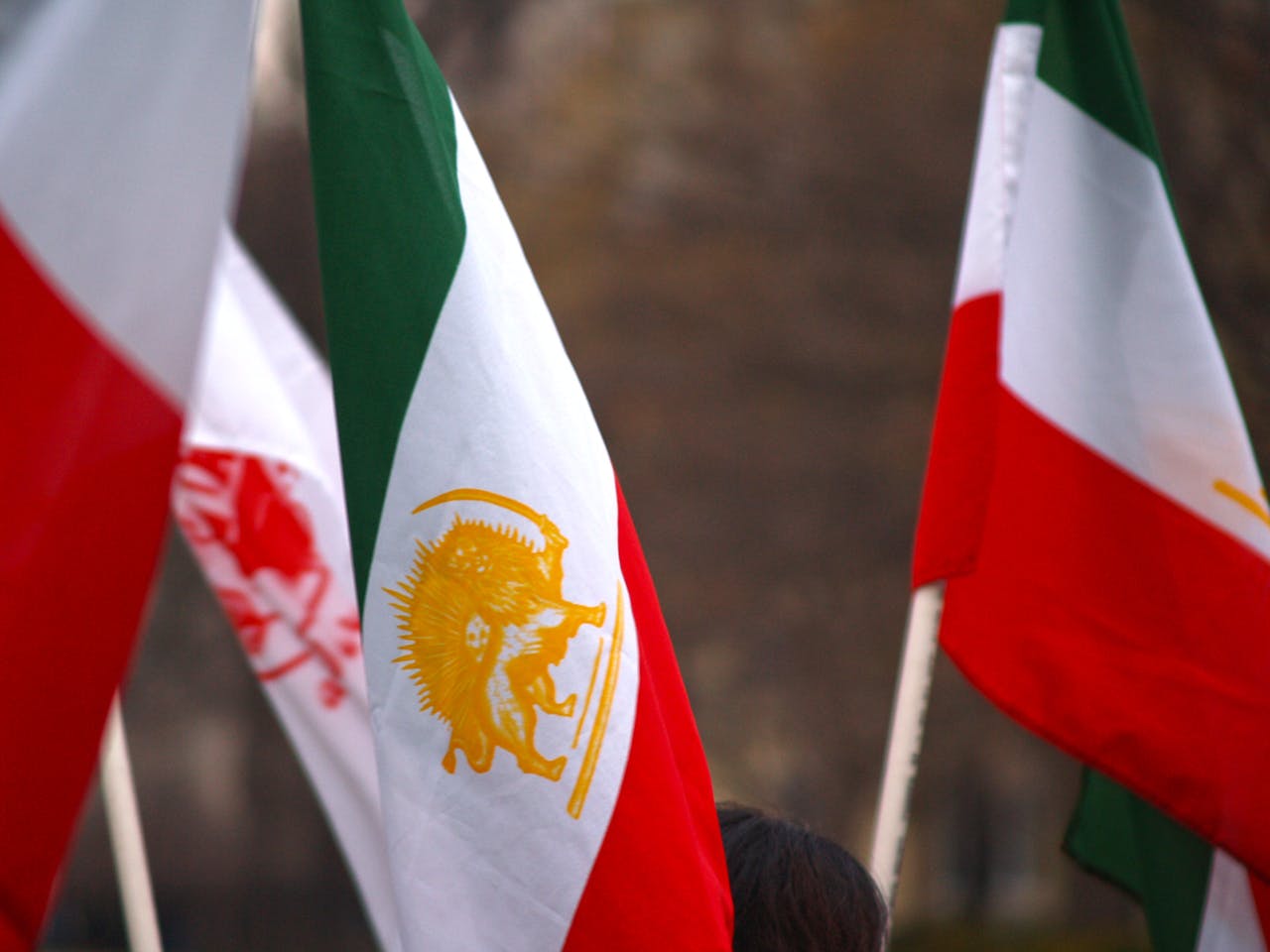
The United States and Iran are reportedly close to reaching a major agreement that could extend their current ceasefire and restore unrestricted shipping through the Strait of Hormuz, one of the world's most critical energy transit routes. According to sources familiar with the negotiations, the proposed deal would prolong the truce for an additional 60 days while both sides continue discussions on key issues, including Iran’s nuclear program and regional security concerns.
The agreement, which still requires approval from U.S. President Donald Trump and Iranian leadership, could mark the most significant diplomatic breakthrough since the conflict erupted on February 28, 2026. However, Iranian officials have indicated that the text of the deal has not yet been finalized, highlighting the ongoing uncertainty surrounding the negotiations.
U.S. Vice President JD Vance expressed cautious optimism, stating that both sides are making progress but acknowledging that no final agreement has been secured. Previous claims by the Trump administration regarding imminent peace deals have often been met with skepticism from Tehran.
If implemented, the proposed arrangement would guarantee free navigation through the Strait of Hormuz, a strategic waterway responsible for transporting nearly 20% of the world's oil and liquefied natural gas supplies. The deal would also reportedly require the United States to ease restrictions on Iranian ports and relax certain sanctions affecting Iran’s oil exports. News of the potential agreement contributed to a decline in global oil prices as markets reacted positively to the possibility of reduced supply disruptions.
Despite diplomatic efforts, tensions remain high. U.S. Central Command reported intercepting multiple Iranian attack drones and targeting a launch facility near Bandar Abbas. Meanwhile, Kuwaiti authorities said they intercepted a ballistic missile headed toward the country. Iran’s Revolutionary Guard warned of stronger retaliation if future attacks occur.
The conflict has already claimed thousands of lives and created significant volatility in global energy markets. While negotiations continue, major differences remain. Iran is seeking sanctions relief, the release of frozen assets, and a reduced U.S. military presence in the region. Washington continues to demand restrictions on Iran’s nuclear activities.
Regional tensions have also expanded beyond the U.S.-Iran dispute, with ongoing clashes involving Israel and Hezbollah in Lebanon adding further complexity to peace efforts. Meanwhile, Oman has found itself drawn into the diplomatic spotlight after the United States warned against any cooperation with Iran that could affect navigation in the Strait of Hormuz.
As international mediators work to bridge remaining gaps, the proposed ceasefire extension represents a potentially important step toward long-term stability in the Middle East and greater security for global energy markets.







