


 Trump Orders U.S. Navy to Return to Steam Catapults for Aircraft Carriers
  UK, France Pledge Stronger Military Support for Ukraine
  SEC Sues Former Tricolor Executives Over $1.9 Billion Investor Fraud Scheme
  New Zealand Moves to Ban Social Media for Children Under 16
  Trump Orders Major Overhaul of US Navy Shipbuilding
  ICE to Complete Nationwide Body Camera Rollout by End of August
  FCC Steps Up China Tech Crackdown as Beijing Pushes Back
  Pakistan, Iran Report Progress in Talks to End U.S.-Israeli War
  FAA to Pause Reagan National Airport Flights for Freedom 250 IndyCar Race
  Dan J. Sullivan Advances in Alaska Senate Race, Setting Up Name Confusion
  Carney’s Trump Tariff Pushback Wins Canadian Support, but Economic Risks Mount
  US Tightens Cuba Sanctions, Targets Officials and State Entities
  Iran Allows Iraqi Oil Tankers Through Strait of Hormuz
  New Zealand Labour Backs Social Media Ban for Under-16s
  NYC Mayor Mamdani Opposes RSS Chief Mohan Bhagwat’s Manhattan Event


 Add as a preferred source on Google
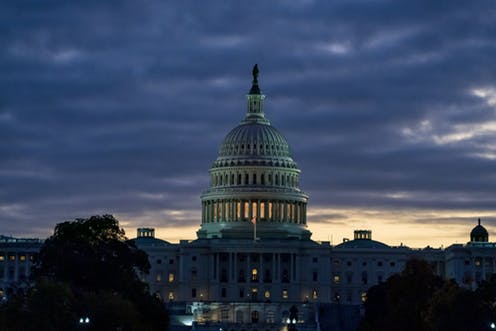
The U.S. House of Representatives has approved its version of the National Defense Authorization Act (NDAA), authorizing nearly $900 billion in military spending for 2025. The measure, passed 231–196 largely along party lines, mirrors last year’s funding levels but has drawn sharp debate over partisan amendments.
All but four Republicans supported the bill, while most Democrats opposed it due to provisions touching on divisive social issues. One controversial amendment would bar Pentagon health insurance from covering gender-related medical care. Representative Adam Smith of Washington, the top Democrat on the House Armed Services Committee, criticized Republicans for advancing what he called a “culture war agenda” rather than addressing national security priorities.
Republican chairman of the committee, Representative Mike Rogers of Alabama, celebrated the bill’s passage, calling it a vote to modernize the military, strengthen deterrence, and support service members. The legislation provides a 3.8% pay raise for troops and seeks to overhaul the defense acquisition process by cutting approval delays and expanding investment in artificial intelligence research.
Efforts to cut funding for Ukraine and Taiwan were rejected. However, the bill reignited political battles after Senate Democrats attempted to push an amendment requiring the release of files related to Jeffrey Epstein. Republicans blocked the move, reflecting the case’s lingering political sensitivity given former President Donald Trump’s past ties to Epstein.
The Senate is working on its own NDAA version, which proposes $32 billion more in defense spending. Once passed, both chambers must reconcile differences before sending the final bill to the White House for Trump’s approval or veto.
With military modernization, troop pay raises, and geopolitical support at stake, the NDAA’s fate underscores the deep partisan divides shaping U.S. defense policy.







