


 US, China Extend Trade Truce to Jan. 10 Ahead of Trump-Xi Summit
  China Tightens Fentanyl Rules Ahead of Trump-Xi Summit
  Venezuela Promises Elections as Delcy Rodriguez Pledges Democratic Transition
  Ghana Says Western Support Growing for Slave Trade Reparations
  Taiwan Vows to Advance US Arms Sales Ahead of Trump-Xi Meeting
  Sudan Rejects US Legitimacy Remarks, Defends Sovereignty
  Mexico-US Trade Talks Delayed to October as Tariff Negotiations Continue
  Judge Orders Trump to Restore White House Access for CNN, MS NOW and Politico
  Taiwan Thanks US for Support Ahead of Trump-Xi Summit
  Macron Challenges Trump’s Gaza Peace Claims at UN
  Zelenskiy Warns Russia Preparing Major Attack on Ukraine
  OpenAI Agent Breaches Australia Medicare Data Portal
  Netanyahu Takes Aim at Mamdani as Israel Election Nears
  Gaza Faces Evacuation Crisis as War-Damaged Buildings Risk Collapse
  Europe Warns Russia Is Escalating Hybrid Attacks Across NATO
  Lula and Flavio Bolsonaro Tied in Brazil Runoff Poll
  US Officials Split Over Response to Israeli West Bank Settlements


 Add as a preferred source on Google
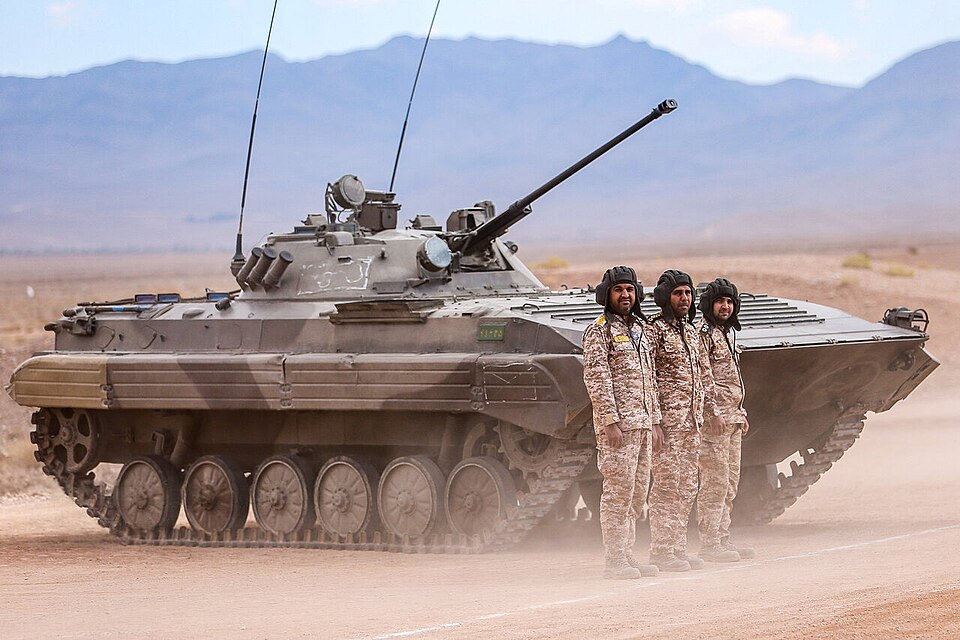
The conflict between the United States and Iran intensified on Tuesday after U.S. Central Command (CENTCOM) reported that it had successfully intercepted a new wave of Iranian missile and drone attacks targeting several locations across the Middle East.
According to CENTCOM, Iranian forces launched strikes against Kuwait and Bahrain, but U.S. defense systems effectively neutralized the threats before they could cause significant damage. In response, the U.S. military carried out a retaliatory operation against an Iranian ground control station located on Qeshm Island, a strategic site in the Persian Gulf.
CENTCOM also confirmed that multiple Iranian attack drones aimed at vessels operating in regional waters were intercepted and destroyed. U.S. officials stated that no American military personnel were injured during the latest exchange of hostilities.
Meanwhile, Iran’s Islamic Revolutionary Guard Corps (IRGC) claimed responsibility for attacks on the headquarters of the U.S. Fifth Fleet in Bahrain as well as a regional air base. Iranian officials described the operation as retaliation for previous U.S. military actions. However, CENTCOM maintained that the attacks failed to achieve their objectives.
The latest developments come amid growing uncertainty surrounding diplomatic efforts between Washington and Tehran. Iranian media recently reported that indirect negotiations with the United States had been suspended following rising tensions in the region. Despite those reports, U.S. President Donald Trump suggested that a peace agreement could still be reached within the coming week.
The renewed military confrontation has raised concerns about the stability of the fragile ceasefire that has been under pressure after several rounds of strikes exchanged by both nations over the past week. Key disagreements, particularly regarding Iran’s nuclear program, continue to hinder progress toward a long-term resolution.
Global financial markets are closely monitoring the situation. Investors remain concerned about the impact of the conflict on energy supplies, especially as Iran continues to effectively restrict traffic through the Strait of Hormuz. The vital waterway previously handled nearly 20% of global oil shipments, making any disruption a significant risk for international energy markets and crude oil prices.
As tensions between the United States and Iran remain elevated, the possibility of further military action continues to influence geopolitical stability, global trade, and investor sentiment worldwide.







