


 Xi Calls for Deeper U.S.-China AI Cooperation in Trump Talks
  NATO Boosts Intelligence Sharing Amid Russia Hybrid Threats
  US Backs Musk in Fight Against EU’s €120 Million X Fine
  FAA Allows Boeing to Sell 35 More 777F Freighters Beyond 2028
  China Tightens Fentanyl Rules Ahead of Trump-Xi Summit
  Netanyahu’s Brief US Trip Highlights Strains With Trump
  US Judge Dismisses Imran Ahmed Deportation Lawsuit
  Colombia Extradites FARC Dissident Leader ‘Spider’ to US
  FDA Names Permanent Drug and Biologics Center Chiefs
  Judge Orders Trump to Restore White House Access for CNN, MS NOW and Politico
  Appeals Court Rejects Trump Third-Country Deportation Policy
  White House Bars CNN, MS NOW and Politico Reporters
  Pope Leo Warns UN, Multilateral Groups Face Crisis
  Trump Asks Supreme Court to Restore Third-Country Deportations
  EU Defence Build-Up Too Slow for 2030 Russia Readiness Goal
  Trump, Xi Visit US National Archives After White House Summit
  US Immigration Arrests Surge as Deportations Lag Behind


 Add as a preferred source on Google
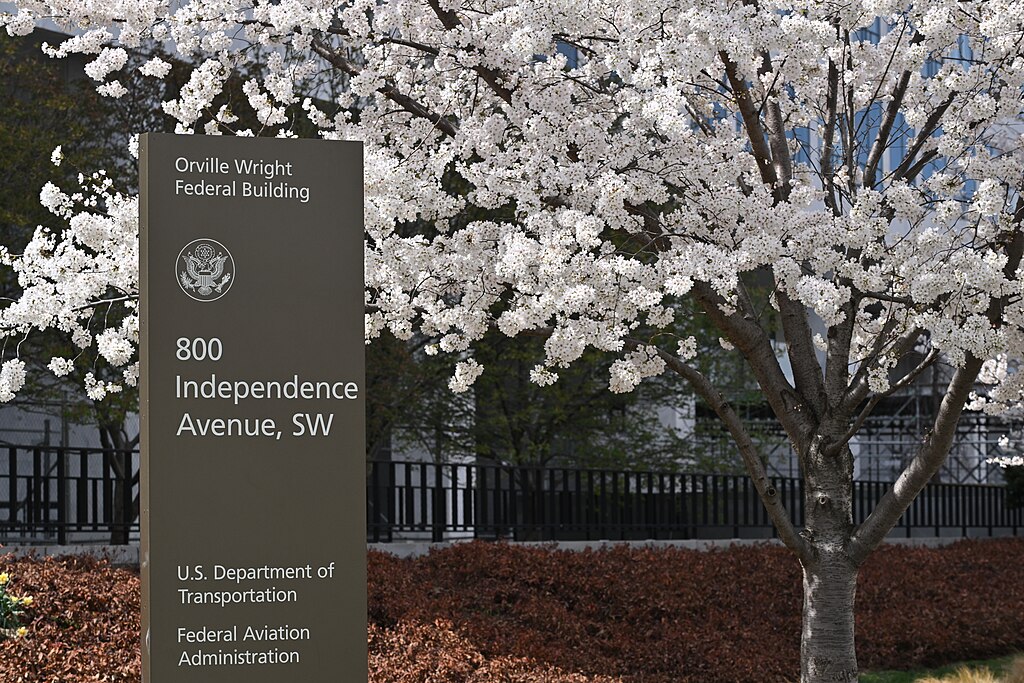
Flight disruptions across the United States are worsening as the government shutdown enters its seventh day, with the Federal Aviation Administration (FAA) reporting widespread staffing shortages. Over 3,000 flights were delayed on Tuesday, affecting major airports including Chicago O’Hare, Newark, Dallas, Houston, Nashville, and Atlanta.
According to the FAA, reduced staffing has forced air traffic controllers to slow operations, cutting the number of arriving flights per hour in several key hubs. Chicago O’Hare saw average delays of 41 minutes, while Newark flights were held for up to 30 minutes. Nashville’s control tower plans to curtail operations later today, transferring approach control to Memphis Center. The Atlanta Air Route Traffic Control Center is also dealing with severe staffing issues.
Transportation Secretary Sean Duffy confirmed that air traffic control staffing has been reduced by up to 50% in some regions since the shutdown began, largely due to an uptick in sick leave among unpaid controllers. About 13,000 air traffic controllers and 50,000 TSA officers are working without pay, receiving only partial checks for pre-shutdown work.
Flight tracking site FlightAware reported over 3,000 delays on Tuesday, including 570 at Chicago O’Hare and 225 at Nashville. Southwest Airlines delayed more than 500 flights, while American Airlines postponed over 400. Severe weather has further exacerbated the chaos.
Political leaders continue to trade blame over the crisis. The White House accused Democrats of causing the aviation slowdown, while California Governor Gavin Newsom said former President Donald Trump’s administration is responsible. The FAA, already 3,500 controllers below optimal staffing levels, has faced shortages for more than a decade, leaving the system vulnerable during government shutdowns like the one currently paralyzing U.S. air travel.







