


 North Korea Warns South Korea Over US-Led Defense Role
  Kremlin Says No Decision Yet on Putin-Trump December Summit
  Abbas Reaffirms November 28 Palestinian Elections
  Judge Orders Trump to Restore White House Access for CNN, MS NOW and Politico
  US Backs Musk in Fight Against EU’s €120 Million X Fine
  Sudan Rejects US Legitimacy Remarks, Defends Sovereignty
  US Senate Rejects Iran War Powers Resolution in 50-49 Vote
  Trump, Xi Focus on Trade and AI at White House Summit
  North Korea Rejects Nuclear Test Warning, Calls Nuclear Status Irreversible
  Russian Missile and Drone Attack on Kyiv Kills Two, Damages Maternity Hospital
  Netanyahu Takes Aim at Mamdani as Israel Election Nears
  Xi Calls for Deeper U.S.-China AI Cooperation in Trump Talks
  Ghana Says Western Support Growing for Slave Trade Reparations
  Ukrainian Drone Attacks Hit Russian Regions, Injuring at Least 12
  What ‘Taiwan Independence’ Means as Xi Presses Trump on US Policy
  South Korea, US Discuss Warship Building Cooperation
  Mexico-US Trade Talks Delayed to October as Tariff Negotiations Continue


 Add as a preferred source on Google
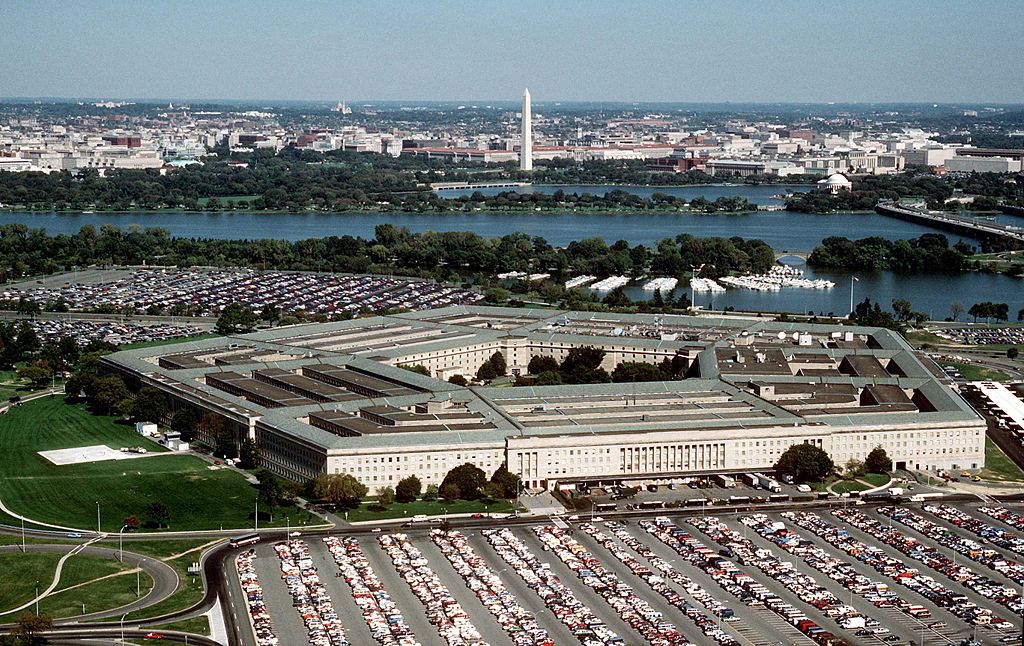
The United States carried out another lethal strike on a suspected drug-trafficking vessel in the eastern Pacific on Saturday, marking a new escalation in Washington’s ongoing campaign to curb the flow of narcotics into the country. According to the Pentagon, three people aboard the boat were killed during the operation, which took place in international waters. The U.S. Southern Command stated that intelligence confirmed the vessel was navigating a well-known narco-trafficking corridor and was transporting illicit drugs when it was targeted by Joint Task Force Southern Spear.
This latest strike is the 21st known U.S. attack on drug-smuggling boats since early September, reflecting a rapidly expanding military effort that has already resulted in more than 80 deaths. The Trump administration has defended the operations as necessary to disrupt transnational criminal networks accused of funneling narcotics toward U.S. shores. Officials say the Justice Department has issued legal guidance supporting the strikes and asserting immunity for U.S. military personnel involved.
However, the campaign has sparked growing criticism. Members of Congress, human rights organizations, and U.S. allies have questioned whether these attacks comply with international law and raised concerns about the lack of transparency surrounding targeting decisions and casualties. Critics argue that conducting lethal military strikes against non-state criminal groups on the high seas could set problematic precedents and further destabilize the region.
On Sunday, Secretary of State Marco Rubio announced that the State Department would formally designate Cartel de los Soles—an alleged Venezuelan drug network—as a “foreign terrorist organization.” The move makes it a federal crime to provide material support to the group and underscores growing U.S. accusations that the cartel collaborates with Tren de Aragua, another criminal organization linked to narcotics smuggling. U.S. officials claim Venezuelan President Nicolás Maduro leads Cartel de los Soles, a charge he denies.
As tensions rise, the Pentagon has deployed warships, fighter jets, and even a nuclear-powered submarine to the Caribbean while Washington weighs possible military action against the Maduro government. The combination of intensified maritime strikes and new terrorism designations signals a broader U.S. strategy aimed at increasing pressure on Venezuelan leadership and disrupting the complex networks driving the region’s narcotics trade.







