


 US Immigration Arrests Surge as Deportations Lag Behind
  Ukrainian Drone Attacks Hit Russian Regions, Injuring at Least 12
  FCC Approves Foreign Investment in $110B Paramount-Warner Bros. Deal
  Appeals Court Rejects Trump Third-Country Deportation Policy
  Pentagon Restarts Testosterone Testing for US Troops
  US Supreme Court Revives Trump Administration Voter Citizenship Database
  Iran Awaits U.S. Response on Hormuz Ceasefire Proposal
  North Korea Warns South Korea Over US-Led Defense Role
  Trump Bans CNN, MS NOW and Politico From White House
  UK PM Burnham to Unveil Economic Vision at Labour Conference
  Abbas Reaffirms November 28 Palestinian Elections
  Judge Orders Trump to Restore White House Access for CNN, MS NOW and Politico
  Colombia Extradites FARC Dissident Leader ‘Spider’ to US
  US Backs Musk in Fight Against EU’s €120 Million X Fine
  Evan Gershkovich Says FSB Set Trap for 2023 Russia Arrest
  China Reviews Broadcom Switch Use in State Data Centres
  FDA Approves Mirum’s Atebrioz for Rare Bone Disorder FOP


 Add as a preferred source on Google
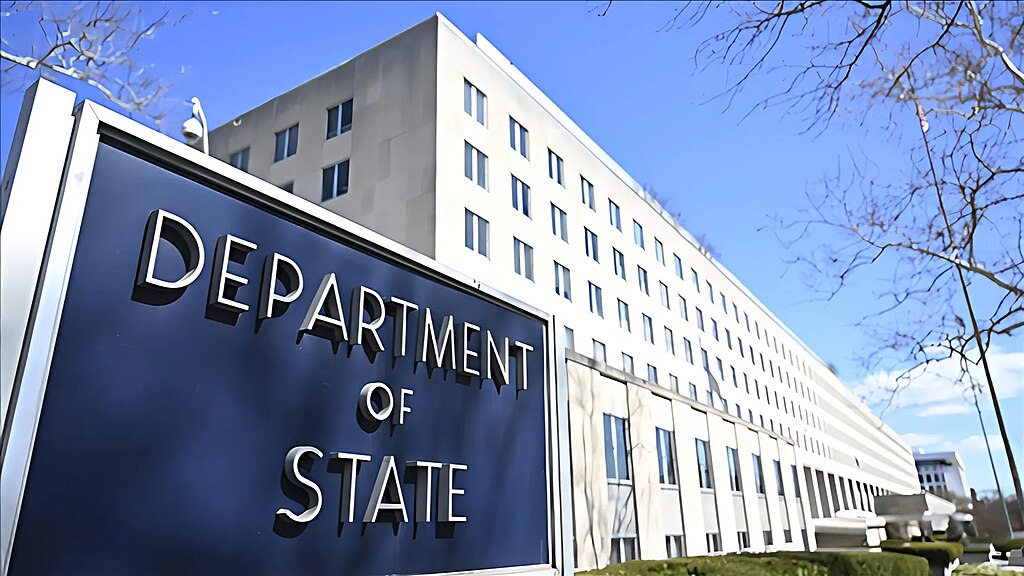
The United States has relaxed restrictions on exporting advanced military drones, including the MQ-9 “Reaper,” after Secretary of State Marco Rubio approved a reinterpretation of export control policies. The State Department confirmed that drones will now be classified like fighter jets such as the F-16, instead of missile systems, allowing the U.S. to bypass limitations from the 1987 Missile Technology Control Regime (MTCR).
This policy shift paves the way for sales to allies like the United Arab Emirates, Eastern European nations, and Pacific partners who have struggled to acquire U.S. drones under previous rules. Most notably, it unlocks a pending Saudi Arabian request for over 100 MQ-9 drones, part of a potential $142 billion arms package announced earlier this year. Several European and Asian allies are also expected to express interest in the upgraded export framework.
The change benefits leading American drone manufacturers such as General Atomics, Kratos, and Anduril, which can now market their unmanned aerial vehicles as “foreign military sales.” This streamlined process makes U.S. drones more competitive in a market dominated by Israeli, Chinese, and Turkish suppliers, who often face lighter restrictions.
The MTCR was originally designed to limit long-range missile proliferation. Military drones, which later emerged as powerful tools for surveillance and strike missions, were categorized under the same guidelines due to their ability to fly long distances and carry weapons. With growing global demand for combat drones, Washington’s updated policy gives American firms an edge in securing contracts with strategic partners while strengthening U.S. defense ties abroad.
By aligning drone exports with fighter jet sales, the U.S. positions itself to expand influence in global arms markets and counter the rapid rise of rival drone producers.







