


 European Stocks Slip as Iran Tensions Offset Strong Eurozone Data
  US Dollar Hits Two-Month High as Fed Rate Hike Bets Rise
  U.S. Treasury Yields Surge as 30-Year Hits 22-Year High
  Dollar Hits Two-Month High as Fed Rate Hike Bets Rise
  Gold Prices Fall as Treasury Yields Rise on Fed Rate Hike Bets
  US Stock Futures Fall as Treasury Yields Surge Ahead of Trump-Xi Summit
  Asian Stocks Fall as Bond Yields Surge Ahead of Trump-Xi Summit
  European Stocks Fall as Bond Yields and Geopolitical Risks Weigh
  Oil Prices Ease as Iran Tensions Clash With Diplomacy Hopes
  Soybean Futures Slip as Traders Await Trump-Xi Trade Signals
  Fed Unveils Stablecoin Rules Under GENIUS Act
  RBI Uses $10 Billion Currency Swaps to Drain Excess Rupee Liquidity
  Japan Private-Sector Growth Slows as Domestic Demand Weakens
  South Korea, US Discuss Warship Building Cooperation
  Wall Street Ends Flat as Oil, Treasury Yields and Fed Jitters Rattle Markets


 Add as a preferred source on Google
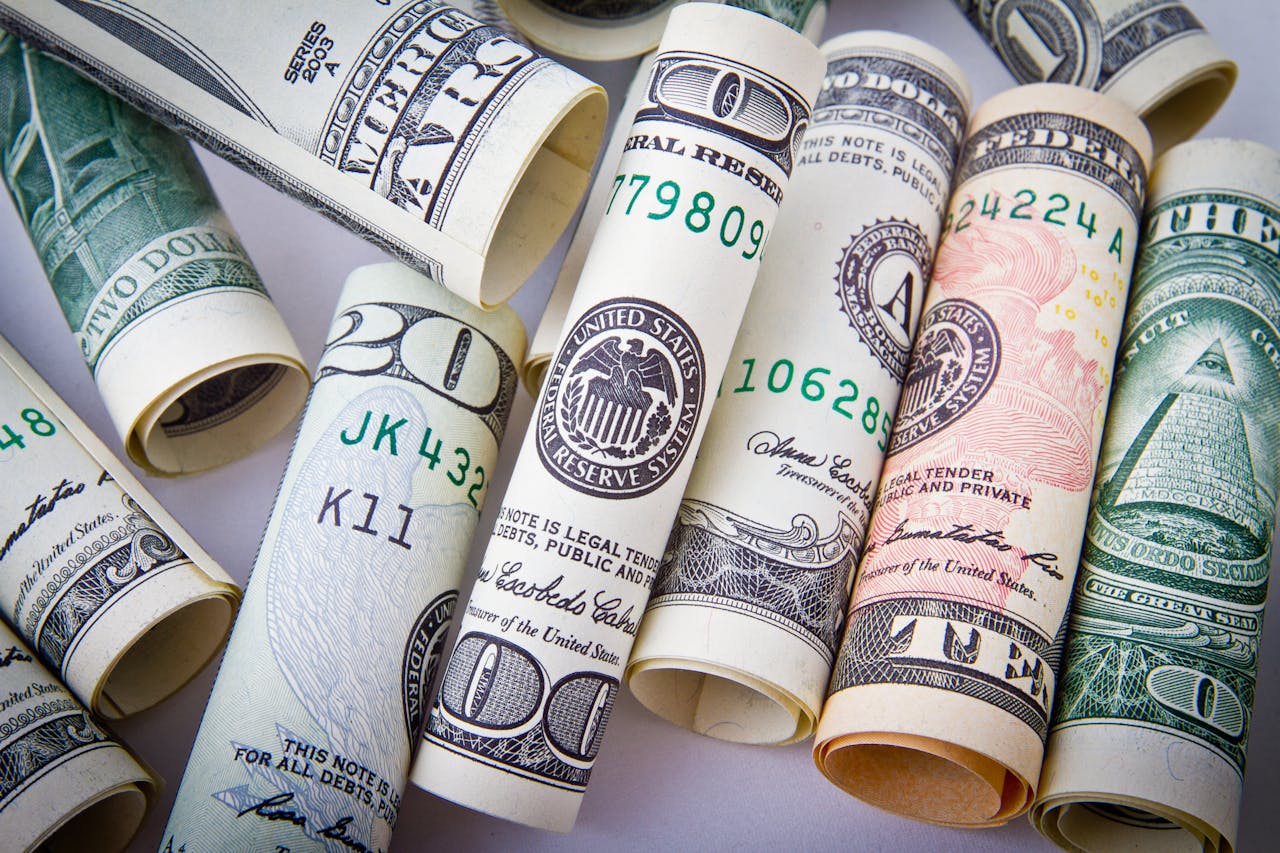
The U.S. dollar edged lower on Monday as improving risk sentiment reduced demand for traditional safe-haven assets. Investors reacted positively after Iran and Israel halted military strikes following a call for restraint from U.S. President Donald Trump, easing concerns about a broader regional conflict.
The U.S. Dollar Index (DXY), which measures the greenback against a basket of major currencies, slipped 0.1% to 100.00. Despite the decline, the dollar remains supported by expectations that the Federal Reserve could maintain a tighter monetary policy stance after stronger-than-expected U.S. employment data.
Last week’s robust nonfarm payrolls report reinforced confidence in the strength of the U.S. labor market and prompted traders to reassess interest rate expectations. Analysts noted that resilient economic growth and persistent inflation pressures may encourage the Federal Reserve to keep interest rates elevated for longer, a factor that typically supports the U.S. dollar.
Market attention is now focused on upcoming U.S. inflation reports. The Consumer Price Index (CPI) is scheduled for release on Wednesday, followed by the Producer Price Index (PPI) on Thursday. Stronger-than-expected inflation readings could increase the likelihood of future Federal Reserve rate hikes, boosting demand for the dollar.
Meanwhile, geopolitical tensions in the Middle East showed signs of easing. Recent exchanges between Iran and Israel raised fears of renewed instability, but both countries later announced a pause in military operations. President Trump stated that efforts toward a peace agreement remain ongoing, helping to calm global financial markets.
In currency trading, the euro gained 0.1% against the dollar to trade near $1.1530, while the British pound remained largely unchanged at $1.3340. The Japanese yen strengthened modestly but continued to trade above the closely watched 160 level against the dollar.
Economic data from Japan showed first-quarter 2026 GDP growth was revised to an annualized 1.8%, lower than the previous estimate of 2.1% but above market forecasts. Analysts cited weaker business investment and higher oil prices as challenges for Japan’s economy, although strong demand for artificial intelligence-related semiconductor products helped offset some of the pressure.
With inflation data, Federal Reserve policy expectations, and geopolitical developments all influencing sentiment, global currency markets are expected to remain highly active throughout the week.







