


 Mexico-US Trade Talks Delayed to October as Tariff Negotiations Continue
  Fed Unveils Stablecoin Rules Under GENIUS Act
  Oil Prices Surge as U.S.-Iran Diplomacy Hopes Fade
  US Dollar Hits Two-Month High as Fed Rate Hike Bets Rise
  US, China Extend Trade Truce to Jan. 10 Ahead of Trump-Xi Summit
  China’s ‘Lipstick King’ Says AI Won’t Replace Livestream Hosts
  Oil Prices Jump 3% as Houthi Attack Revives Supply Fears
  Asian Stocks Mixed Ahead of Trump-Xi Meeting
  Wall Street Falls as Treasury Yields Surge, Oil Rebounds on Iran Tensions
  Soybean Futures Slip as Traders Await Trump-Xi Trade Signals
  Australia Unemployment Hits Five-Year High Despite Strong Jobs Growth
  Trump, Xi Focus on Trade and AI at White House Summit
  US Stock Futures Fall as Treasury Yields Surge Ahead of Trump-Xi Summit
  U.S. 10-Year Treasury Yield Hits 2007 High as Fed Rate Hike Bets Rise
  Oil Prices Ease as Iran Tensions Clash With Diplomacy Hopes
  Asian Currencies Mixed as Dollar Holds Near Two-Month High


 Add as a preferred source on Google
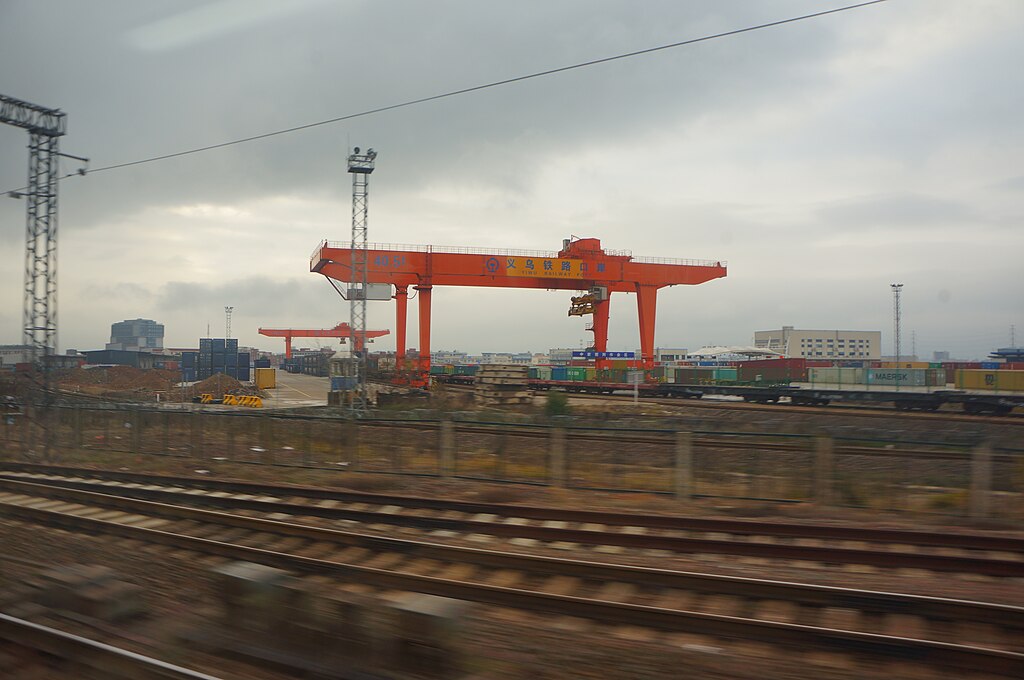
China’s exports posted stronger-than-expected growth in July, supported by booming global demand for artificial intelligence infrastructure and a rush to ship goods before higher U.S. tariffs took effect.
Exports increased 23.9% year-on-year in U.S. dollar terms, according to customs data released Friday. Although growth eased from June’s 27% surge, it exceeded the 22.2% increase economists had forecast. China’s imports climbed 27.5%, compared with 36% growth in June.
Strong overseas demand remains an important pillar of China’s economic growth as weak household consumption and slowing investment weigh on the domestic economy. However, escalating trade tensions with the United States and other partners could threaten the export outlook.
AI-related products have emerged as a major source of strength. China’s semiconductor exports nearly doubled in value during the first seven months of the year, while overall high-tech exports jumped 40.7%. Vehicle exports also increased more than 50% in both value and volume as Chinese automakers accelerated their international expansion.
Traditional industries delivered weaker results. Ceramic exports declined 28.3%, while toy shipments dropped 9.7%, highlighting a widening divide between fast-growing advanced manufacturing sectors and industries exposed to softer demand.
China’s GDP growth slowed to 4.3% in the second quarter, below Beijing’s full-year target range of 4.5% to 5%, increasing the importance of exports and manufacturing to the economic outlook.
Trade tensions remain a key risk. The United States has introduced additional restrictions and tariffs affecting Chinese products, including robots, power inverters and polysilicon-related goods. Despite those measures, economists say China’s increasingly diversified exports to markets such as Europe and ASEAN could soften the impact.
China recorded a $112.5 billion trade surplus in July, down from $125.62 billion in June. Its surplus with the U.S. narrowed to $28 billion. Chinese exports to the U.S. rose 17% year-on-year, while shipments to the European Union increased 16%.
With exports and high-tech manufacturing remaining resilient, Beijing may have less urgency to introduce aggressive stimulus aimed at household consumption and the struggling property sector.







