


 China’s ‘Lipstick King’ Says AI Won’t Replace Livestream Hosts
  US, China Extend Trade Truce to Jan. 10 Ahead of Trump-Xi Summit
  US 10-Year Treasury Yield at 6% Emerges as New Market Risk Threshold
  Fed Unveils Stablecoin Rules Under GENIUS Act
  US Dollar Hits Two-Month High as Fed Rate Hike Bets Rise
  Oil Prices Jump 3% as Houthi Attack Revives Supply Fears
  Wall Street Falls as Treasury Yields Surge, Oil Rebounds on Iran Tensions
  Asian Stocks Mixed Ahead of Trump-Xi Meeting
  Australia Unemployment Hits Five-Year High Despite Strong Jobs Growth
  Mexico-US Trade Talks Delayed to October as Tariff Negotiations Continue
  Asian Stocks Fall as Bond Yields Surge Ahead of Trump-Xi Summit
  RBI Uses $10 Billion Currency Swaps to Drain Excess Rupee Liquidity
  Trump, Xi Focus on Trade and AI at White House Summit
  Japan Private-Sector Growth Slows as Domestic Demand Weakens
  South Korea, US Discuss Warship Building Cooperation
  U.S. 10-Year Treasury Yield Hits 2007 High as Fed Rate Hike Bets Rise


 Add as a preferred source on Google
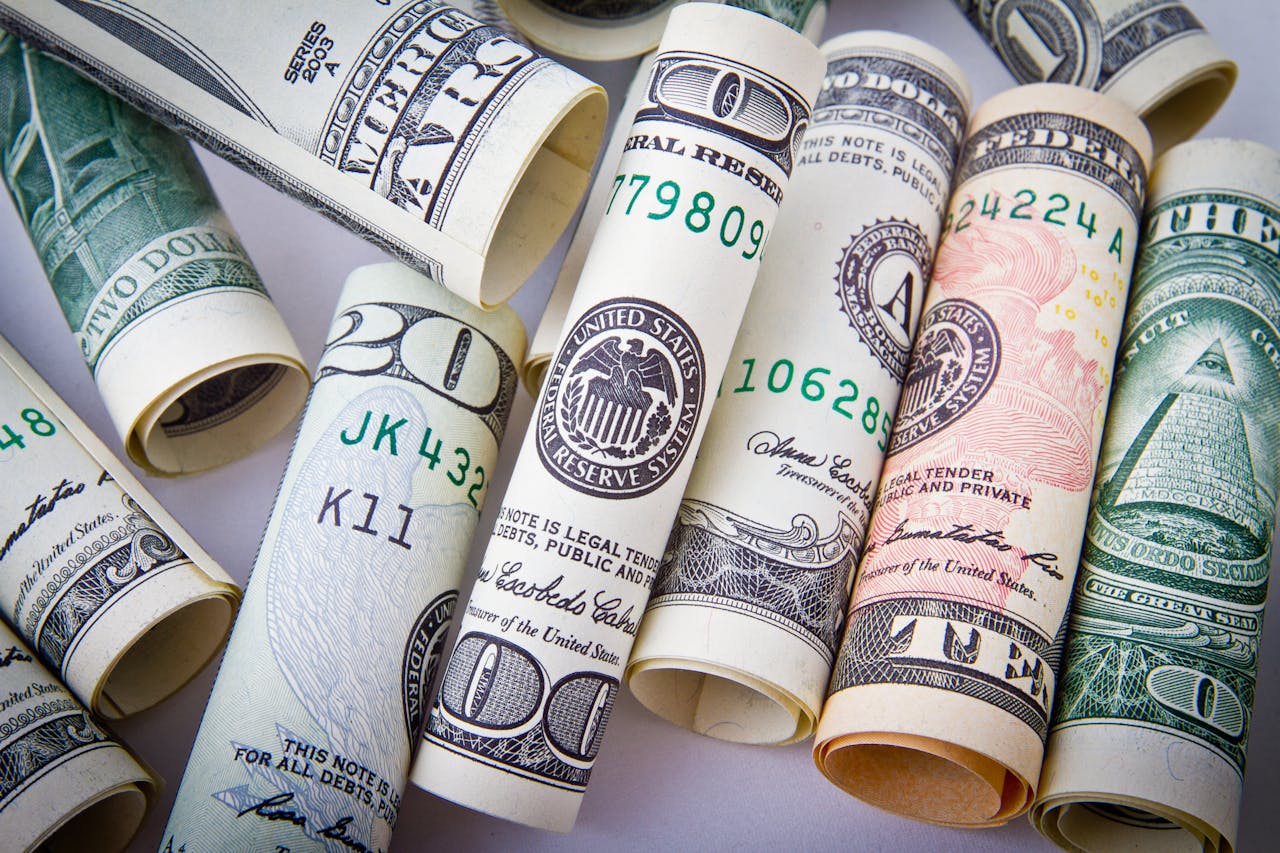
The U.S. dollar weakened on Friday and headed toward its first two-week losing streak since late May after a disappointing July jobs report reduced expectations for another Federal Reserve interest rate hike.
The U.S. Dollar Index, which measures the greenback against six major currencies, fell 0.4% to 99.54 and was also down about 0.4% for the week. The euro gained 0.4% to $1.1568, while the British pound rose 0.3% to $1.3502. The Japanese yen strengthened as USD/JPY declined 0.6% to 157.48.
U.S. nonfarm payrolls unexpectedly fell by 23,000 in July, sharply missing forecasts for an 85,000 increase and marking the first monthly employment decline since February. May and June payroll figures were also revised down by a combined 103,000 jobs. However, the unemployment rate improved slightly to 4.1% from 4.2%.
Much of the headline payroll decline came from local government education, which shed nearly 50,000 jobs. Private payrolls still increased by around 30,000. Initial jobless claims also remained below 200,000 for a third consecutive week, suggesting the broader U.S. labor market has yet to experience severe stress.
The mixed employment picture complicates the Federal Reserve's interest rate outlook. Persistent inflation, partly fueled by volatile oil prices and Middle East tensions, continues to support arguments for tighter monetary policy. However, weaker job creation could encourage policymakers to delay additional rate hikes, particularly at the Fed's September meeting.
The Japanese yen, meanwhile, retained much of its strength following a landmark joint U.S.-Japan currency intervention. U.S. Treasury Secretary Scott Bessent confirmed Washington participated in yen purchases, marking the first coordinated U.S.-Japan intervention since 2011 and the first U.S. action specifically aimed at strengthening the yen since 1998. USD/JPY had previously reached around 164 before retreating toward the 157 level.
Elsewhere, the South Korean won recorded a sixth straight weekly decline, its longest losing streak since January 2023. The currency has faced pressure from a global technology sell-off, weakness in Samsung Electronics and SK Hynix shares, leveraged ETF unwinding, and continued foreign capital outflows.







