


 Taiwan Thanks US for Support Ahead of Trump-Xi Summit
  US Officials Split Over Response to Israeli West Bank Settlements
  Russian Envoy Dmitriev Heads to US for Ukraine Talks
  South Korea, US Discuss Warship Building Cooperation
  Russian Missile and Drone Attack on Kyiv Kills Two, Damages Maternity Hospital
  EU Defence Build-Up Too Slow for 2030 Russia Readiness Goal
  NATO Boosts Intelligence Sharing Amid Russia Hybrid Threats
  Ghana Says Western Support Growing for Slave Trade Reparations
  Yemen Violence Displaces 130,000 as Civilian Toll Rises
  Judge Orders Trump to Restore White House Access for CNN, MS NOW and Politico
  Netanyahu Takes Aim at Mamdani as Israel Election Nears
  Abbas Reaffirms November 28 Palestinian Elections
  Netanyahu Defends Israel at UN as Delegates Stage Walkout
  US Backs Musk in Fight Against EU’s €120 Million X Fine
  US, China Extend Trade Truce to Jan. 10 Ahead of Trump-Xi Summit
  Mexico-US Trade Talks Delayed to October as Tariff Negotiations Continue
  Europe Warns Russia Is Escalating Hybrid Attacks Across NATO


 Add as a preferred source on Google
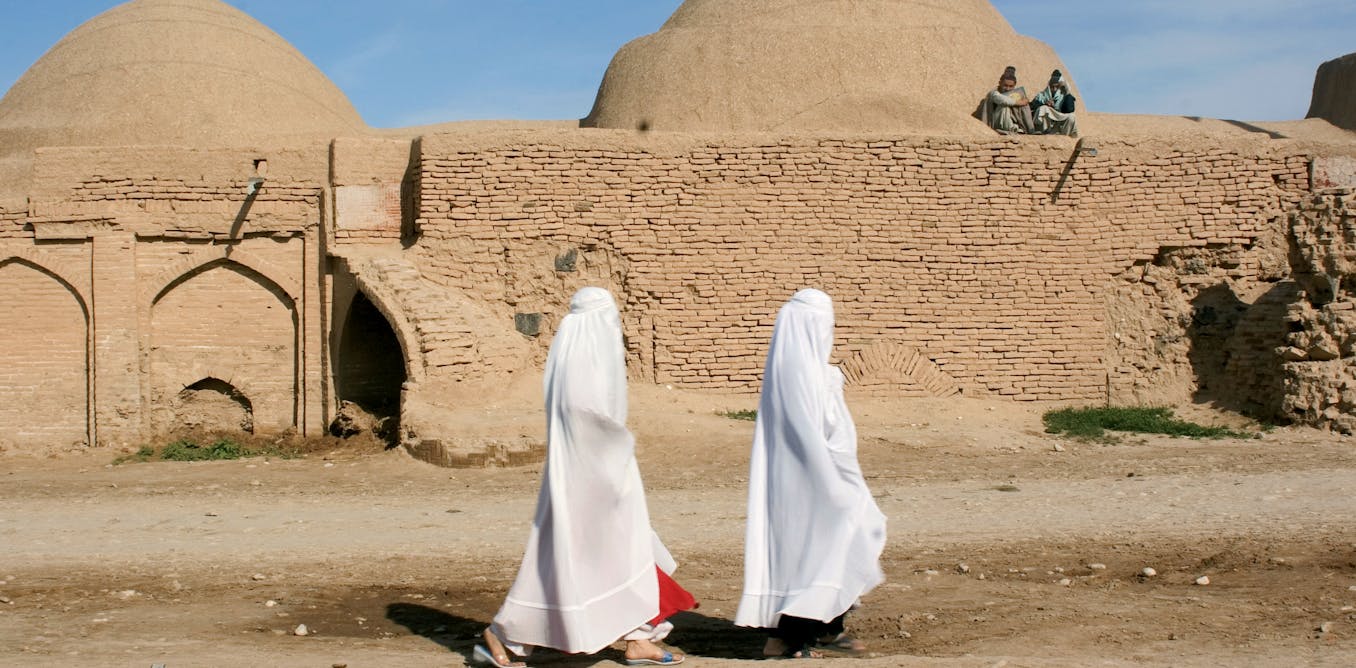
The United States has urged a careful review of international assistance to Afghanistan, citing Taliban "intransigence" and the systematic exclusion of women from basic rights — even while acknowledging the country's deepening humanitarian crisis.
U.S. Ambassador to the United Nations Mike Waltz raised the issue during a UN Security Council session focused on Afghanistan, where the mandate of the UN Assistance Mission in Afghanistan (UNAMA) is set for renewal. Waltz pointed out that UNAMA currently holds the largest budget of any special UN mission globally, prompting questions about its effectiveness given ongoing Taliban restrictions.
"In light of Taliban intransigence, we must carefully evaluate the utility of international assistance and engagement in Afghanistan," Waltz stated, drawing attention to the fact that UNAMA's own female national staff are barred from entering their offices to work.
The humanitarian situation inside Afghanistan remains dire. According to the UN World Food Programme, over 17 million Afghans — roughly one-third of the country's population — are experiencing acute food insecurity, with nearly 4.7 million facing emergency-level hunger. Humanitarian agencies are seeking $1.71 billion to assist 17.5 million Afghans in 2026, yet the appeal is currently only 10% funded.
UNAMA's acting head, Georgette Gagnon, warned that ongoing funding cuts have worsened the crisis. She also highlighted regional tensions, noting that a nearly two-week conflict between Afghanistan and Pakistan has inflicted severe human and economic costs, while rising commodity prices linked to the Iran conflict are compounding the strain.
Despite the grim outlook, Gagnon pointed to some progress, including the Taliban's ban on opium poppy cultivation, as evidence that international engagement can yield results. She cautioned that failure to address humanitarian and human rights concerns risks transforming Afghanistan into a destabilizing force through migration, terrorism, and narcotics trafficking.







