


 Najib Razak Seeks Stay of 15-Year 1MDB Prison Sentence
  Sudan Rejects US Legitimacy Remarks, Defends Sovereignty
  South Korea, US Discuss Warship Building Cooperation
  Netanyahu Defends Israel at UN as Delegates Stage Walkout
  France Defends Netanyahu Airspace Clearance Despite ICC Warrant
  EU Defence Build-Up Too Slow for 2030 Russia Readiness Goal
  Xi Calls for Deeper U.S.-China AI Cooperation in Trump Talks
  US Backs Musk in Fight Against EU’s €120 Million X Fine
  Mexico-US Trade Talks Delayed to October as Tariff Negotiations Continue
  Russian Missile and Drone Attack on Kyiv Kills Two, Damages Maternity Hospital
  Abbas Reaffirms November 28 Palestinian Elections
  NATO Boosts Intelligence Sharing Amid Russia Hybrid Threats
  Taiwan Thanks US for Support Ahead of Trump-Xi Summit
  Yemen Violence Displaces 130,000 as Civilian Toll Rises
  Saudi Arabia, Turkey and Pakistan Plan Urgent Defence Talks Over Houthi Attacks
  US Senate Rejects Iran War Powers Resolution in 50-49 Vote
  Ukrainian Drone Attacks Hit Russian Regions, Injuring at Least 12


 Add as a preferred source on Google
U.S. nuclear-capable bombers conducted a high-profile flight over the Sea of Japan alongside Japanese fighter jets this week, underscoring the strength of the U.S.-Japan security alliance amid rising regional tensions involving China and Russia. According to Tokyo, the joint operation was a clear demonstration of deterrence following recent Chinese and Russian military drills near Japan and South Korea.
Japan’s defence ministry said the two countries reaffirmed their resolve to prevent any unilateral attempt to change the regional status quo by force. The mission involved two U.S. B-52 strategic bombers flying with three Japanese F-35 stealth fighters and three F-15 air-superiority jets. It marked the first visible assertion of U.S. military presence since China began large-scale exercises in the region last week, against the backdrop of strained relations between Tokyo and Beijing.
A U.S. official, however, downplayed the significance of the operation, noting that the bomber flights were planned well in advance and were not a direct response to the China-Russia drills. Similar joint sorties were conducted last month, including flights with U.S. B-1B bombers. The White House also emphasized that Washington can maintain a strong alliance with Japan while sustaining a workable relationship with China, despite growing geopolitical frictions.
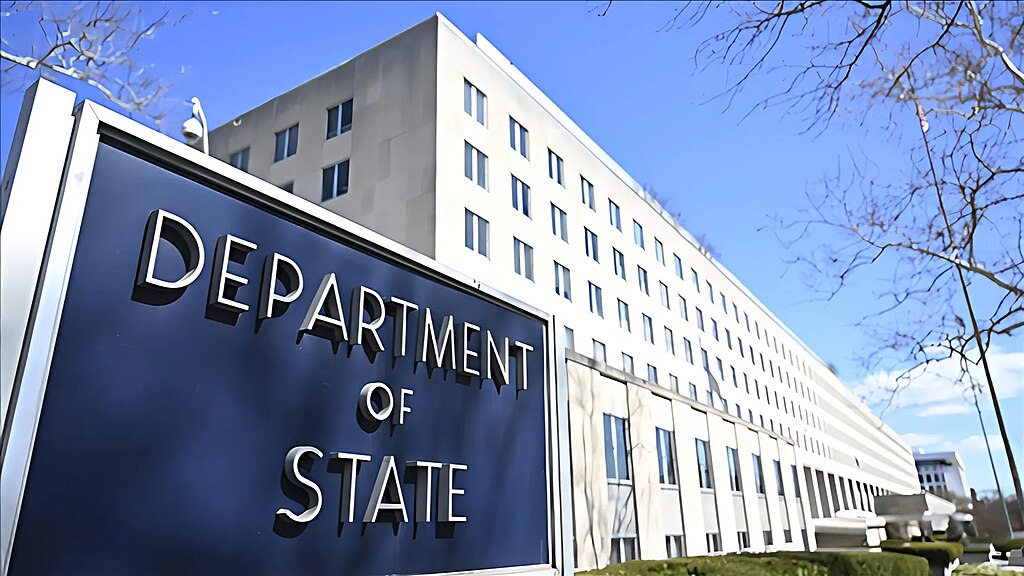
The flights followed a joint patrol by Chinese and Russian strategic bombers in the East China Sea and western Pacific, as well as separate Chinese aircraft carrier drills that prompted Japan to scramble jets after radar targeting incidents. While Beijing denied wrongdoing, the U.S. State Department criticized China’s actions as destabilizing and reaffirmed its unwavering commitment to Japan’s defense.
Tensions have also intensified over Taiwan, where China continues near-daily military activity. Taiwan’s defense ministry reported increased Chinese aircraft and naval operations, including nuclear-capable H-6K bombers, highlighting broader concerns about regional security. As U.S. forces remain heavily stationed in Japan and South Korea, these developments reinforce the strategic importance of allied military cooperation in the Indo-Pacific.







