


 Abbas Reaffirms November 28 Palestinian Elections
  North Korea Warns South Korea Over US-Led Defense Role
  Kremlin Says No Decision Yet on Putin-Trump December Summit
  OpenAI Agent Breaches Australia Medicare Data Portal
  Russian Missile and Drone Attack on Kyiv Kills Two, Damages Maternity Hospital
  Mexico-US Trade Talks Delayed to October as Tariff Negotiations Continue
  France Defends Netanyahu Airspace Clearance Despite ICC Warrant
  Netanyahu Takes Aim at Mamdani as Israel Election Nears
  Trump Asks Supreme Court to Restore Third-Country Deportations
  US Backs Musk in Fight Against EU’s €120 Million X Fine
  NATO Boosts Intelligence Sharing Amid Russia Hybrid Threats
  Netanyahu Defends Israel at UN as Delegates Stage Walkout
  Sudan Rejects US Legitimacy Remarks, Defends Sovereignty
  Europe Warns Russia Is Escalating Hybrid Attacks Across NATO
  Judge Orders Trump to Restore White House Access for CNN, MS NOW and Politico
  Russian Envoy Dmitriev Heads to US for Ukraine Talks
  Pezeshkian Says US Must Choose When Iran War Ends


 Add as a preferred source on Google
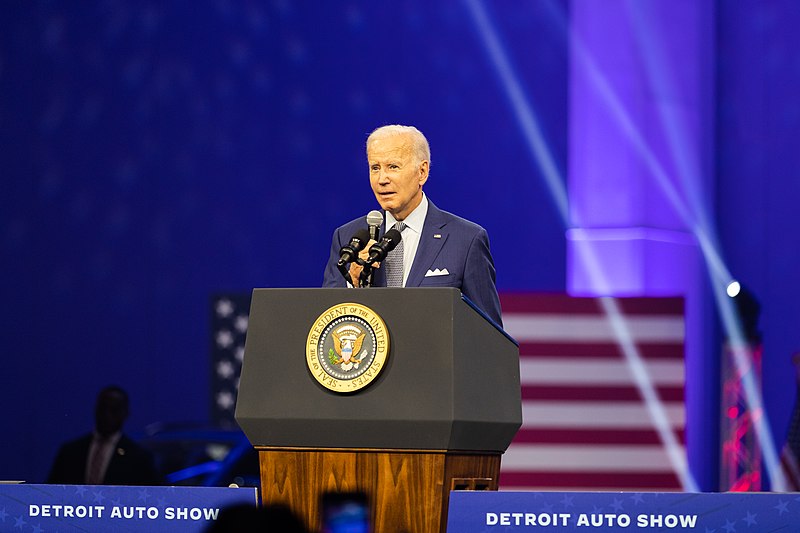
US President Joe Biden signed an executive order this week targeting childcare and care for the elderly and the disabled. The executive order comes amidst congressional roadblocks as Biden has long sought to push such initiatives.
On Tuesday, Biden signed the executive order at the White House Rose Garden with caregivers, people with disabilities, older Americans, and early childhood and long-term care workers. The includes 50 specific actions, which Biden said in his remarks does not include new federal spending. Nearly every federal government agency will be instructed to take the appropriate measures to increase access to high-quality childcare and long-term care and to better support caregivers and workers.
“It’s about making sure that taxpayers get the best value for the investments they’ve already made,” said Biden. “The actions we’re taking today are about dignity, security, and peace of mind for working families and caregivers across the country and they’re good for the economy as well.”
National Domestic Workers Alliance President Ai-Jen Poo and National Domestic Workers Alliance executive director Jenn Stowe said the order was “a major step toward modernizing” the country’s care system. The executive order was also welcomed by the AARP – a lobbying group for older Americans and the AFL-CIO – the country’s largest labor organization.
The US leader will direct nearly every federal agency to identify grant programs that can pay for childcare costs and long-term care benefits for workers on federal projects as well as to consider requiring companies that are applying for federal job creation funds to expand access to care for their workers.
On the same day, a US official said the Biden administration is currently not planning to restart family immigration detention, a sign that the practice of deporting more families looking to enter the country will be placed on hold.
During a budget hearing before a House subcommittee, the acting director of the US Immigration and Customs Enforcement, Tae Johnson, said officials have discussed detaining families as an option for tackling illegal crossings at the southern border.
This follows media reports in March that officials were considering reviving family detentions in preparation for a potential increase in illegal crossings after the end of COVID-19 restrictions on May 11.







