


 Judge Orders Trump to Restore White House Access for CNN, MS NOW and Politico
  Trump Asks Supreme Court to Restore Third-Country Deportations
  Abbas Reaffirms November 28 Palestinian Elections
  Taiwan Thanks US for Support Ahead of Trump-Xi Summit
  Yemen Violence Displaces 130,000 as Civilian Toll Rises
  US Officials Split Over Response to Israeli West Bank Settlements
  US Invites Putin to Miami G20, Opening Door to Trump Summit
  Russian Envoy Dmitriev Heads to US for Ukraine Talks
  Sudan Rejects US Legitimacy Remarks, Defends Sovereignty
  Kremlin Says No Decision Yet on Putin-Trump December Summit
  US, China Extend Trade Truce to Jan. 10 Ahead of Trump-Xi Summit
  Gaza Faces Evacuation Crisis as War-Damaged Buildings Risk Collapse
  NATO Boosts Intelligence Sharing Amid Russia Hybrid Threats
  Pezeshkian Says US Must Choose When Iran War Ends
  Ghana Says Western Support Growing for Slave Trade Reparations
  US Senate Rejects Iran War Powers Resolution in 50-49 Vote
  Netanyahu Defends Israel at UN as Delegates Stage Walkout


 Add as a preferred source on Google
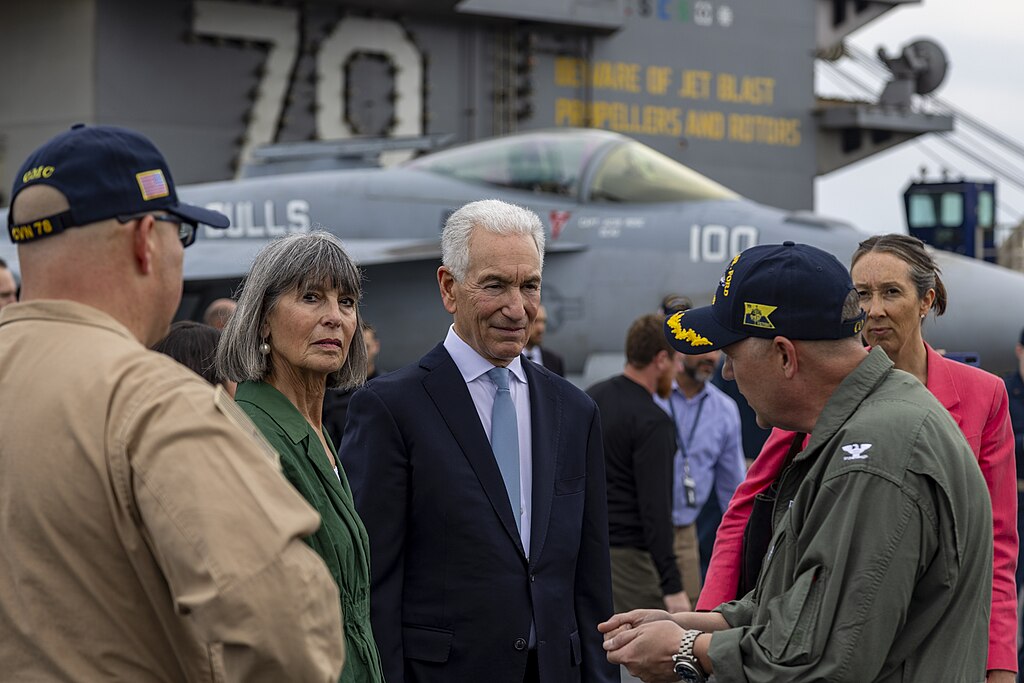
Tensions between the United States and France have escalated after U.S. Ambassador to France Charles Kushner was barred from direct meetings with members of the French government. The move followed his failure to appear at the French Foreign Affairs Ministry, where he had been formally summoned over recent comments made by the U.S. Embassy regarding the killing of a French far-right activist.
According to diplomatic sources, Kushner did not attend the scheduled meeting, prompting French officials to restrict his access to senior government representatives. The summons came after the U.S. Embassy in France and the U.S. State Department’s Bureau of Counterterrorism posted statements on X indicating they were closely monitoring the case and warning that “violent radical leftism” was increasing and should be treated as a public safety threat.
The controversy centers on the death of Quentin Deranque, a French far-right activist who was beaten during a confrontation with alleged hard-left activists. The incident has shocked the nation and intensified political debate in France. Some commentators have described the killing as “France’s Charlie Kirk moment,” referencing last year’s fatal shooting of a U.S. conservative activist.
French authorities reportedly viewed the U.S. Embassy’s public remarks as interference in France’s domestic affairs. A diplomatic source stated that France would not allow a national tragedy to be exploited or used to influence internal public debate. As a result, the foreign minister requested that Ambassador Kushner no longer be granted direct access to government officials.
This marks the second time Kushner has failed to attend a summons at the Foreign Affairs Ministry. In August 2025, he was called in after publicly criticizing French authorities over rising anti-Semitic incidents in France. The latest diplomatic row highlights growing strain in U.S.-France relations and raises questions about the role of foreign ambassadors in commenting on sensitive domestic issues.







