


 Gold Prices Fall as Treasury Yields Rise on Fed Rate Hike Bets
  Netanyahu Defends Israel at UN as Delegates Stage Walkout
  Dollar Falls as Oil Eases, Yen Jumps on Intervention Signals
  Yemen Violence Displaces 130,000 as Civilian Toll Rises
  EQT Plans €1.7 Billion Sale of Parques Reunidos Stake
  China’s ‘Lipstick King’ Says AI Won’t Replace Livestream Hosts
  BMW 2028 Margin Target Could Fall Below Consensus, UBS Says
  Colombia Extradites FARC Dissident Leader ‘Spider’ to US
  Xi Calls for Deeper U.S.-China AI Cooperation in Trump Talks
  Trump Asks Supreme Court to Restore Third-Country Deportations
  Pentagon Restarts Testosterone Testing for US Troops
  Synthetic data could ease people’s concerns about privacy breaches. But who gets to create it?
  DOJ Will Investigate AI-Related Crimes, Attorney General Blanche Says
  Judge Blocks Trump Rule Limiting Foreign Student Visas
  Suzuki Targets Faster Car Development to Keep Pace With Chinese Rivals
  Trump Bans CNN, MS NOW and Politico From White House
  Pope Leo Backs Press Freedom After White House Media Ban


 Add as a preferred source on Google
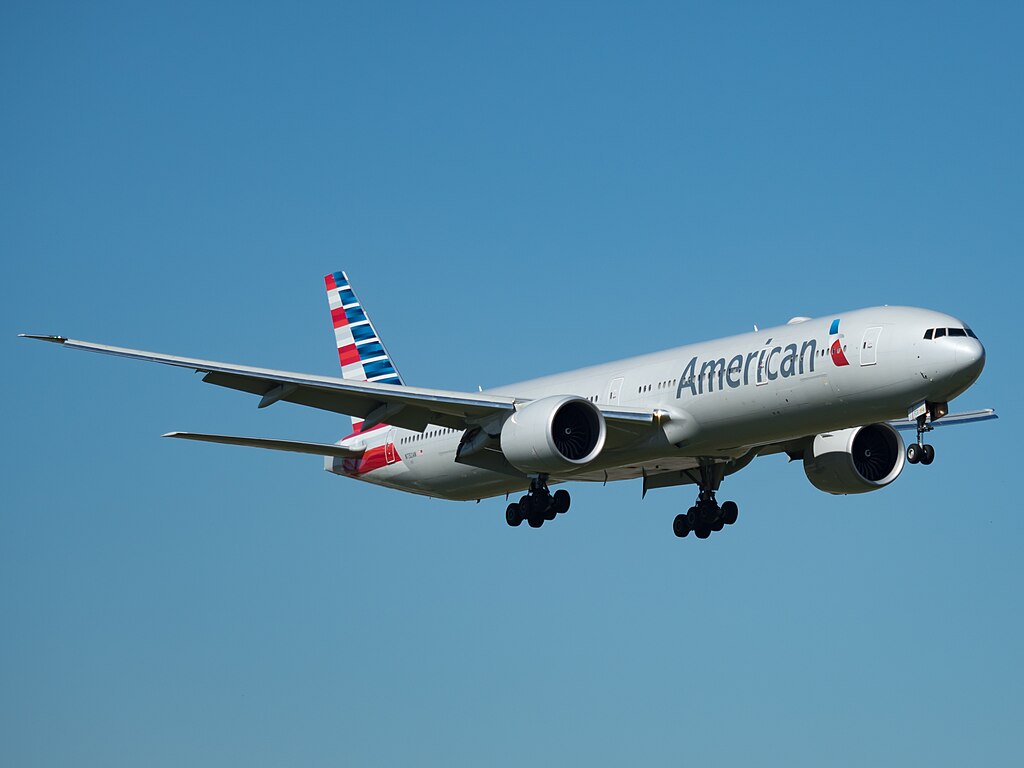
U.S. airlines are raising alarms over the potential impact of a partial federal government shutdown on American air travel. Major carriers represented by the trade group Airlines for America, including United Airlines, Delta Air Lines, American Airlines, and Southwest Airlines, warned that a funding lapse could slow flight operations, strain staffing, and inconvenience millions of travelers.
The shutdown, expected to begin Wednesday if Congress fails to reach a funding agreement, would force essential employees such as air traffic controllers and Transportation Security Administration (TSA) officers to work without pay. Approximately 50,000 TSA workers and thousands of air traffic controllers would be affected. During the last major shutdown in 2019, unpaid workers called in sick more frequently, leading to extended wait times at security checkpoints and slowed air traffic in key hubs like New York.
Industry leaders emphasize that the shutdown would also freeze Federal Aviation Administration (FAA) hiring and training programs, further compounding the ongoing air traffic controller shortage. The FAA is currently about 3,800 controllers short of its target staffing levels, forcing many employees into overtime and six-day workweeks. Hundreds of trainees at the FAA Academy in Oklahoma City could be furloughed, creating lasting setbacks in the training pipeline.
Beyond staffing, aviation groups caution that shutdowns disrupt critical operations, including aircraft inspections, pilot check rides, and safety initiatives. Long-term consequences could include delays in certifying new aircraft like the Boeing 737 MAX 7 and halting modernization programs, including a $12.5 billion air traffic control upgrade.
Transportation Secretary Sean Duffy has also voiced concern, noting that an extended shutdown could jeopardize both safety measures and modernization projects. With political gridlock in Washington threatening to halt funding, the aviation industry warns that any disruption will ripple across the system, affecting airlines, airports, and millions of passengers nationwide.







