


 OpenAI Agent Breaches Australia Medicare Data Portal
  Sudan Rejects US Legitimacy Remarks, Defends Sovereignty
  Mexico-US Trade Talks Delayed to October as Tariff Negotiations Continue
  Netanyahu’s Brief US Trip Highlights Strains With Trump
  Xi Calls for Deeper U.S.-China AI Cooperation in Trump Talks
  Trump, Xi Focus on Trade and AI at White House Summit
  Ghana Says Western Support Growing for Slave Trade Reparations
  Russian Missile and Drone Attack on Kyiv Kills Two, Damages Maternity Hospital
  US Senate Rejects Iran War Powers Resolution in 50-49 Vote
  Ukrainian Drone Attacks Hit Russian Regions, Injuring at Least 12
  Abbas Reaffirms November 28 Palestinian Elections
  What ‘Taiwan Independence’ Means as Xi Presses Trump on US Policy
  Yemen Violence Displaces 130,000 as Civilian Toll Rises
  South Korea, US Discuss Warship Building Cooperation
  Judge Orders Trump to Restore White House Access for CNN, MS NOW and Politico
  Najib Razak Seeks Stay of 15-Year 1MDB Prison Sentence
  Netanyahu Takes Aim at Mamdani as Israel Election Nears


 Add as a preferred source on Google
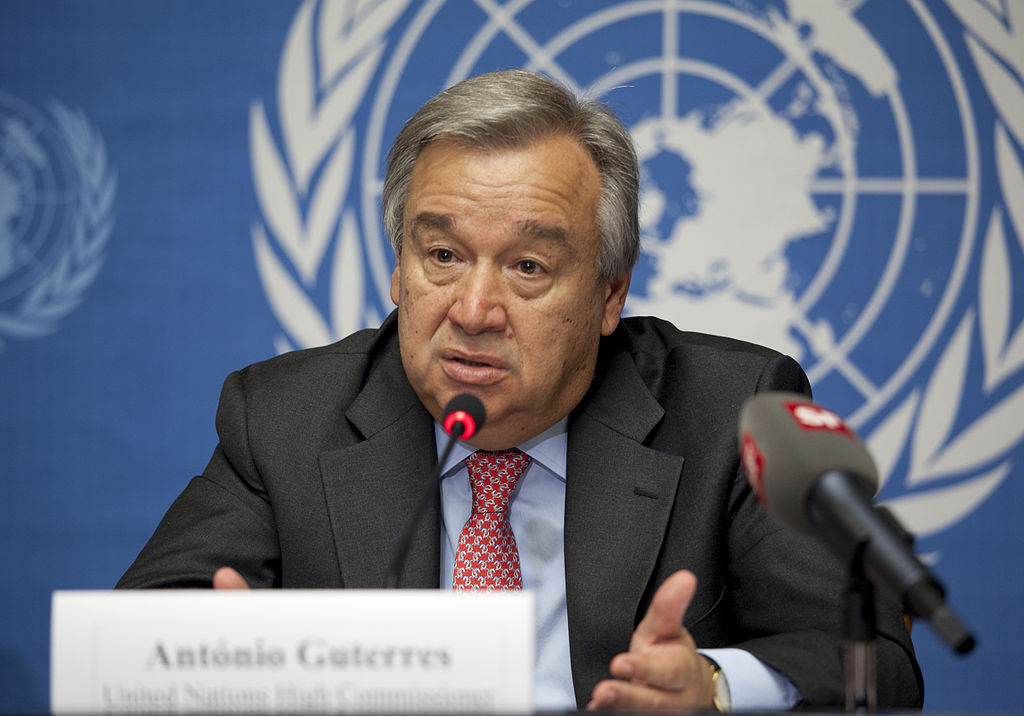
United Nations Secretary-General António Guterres has strongly condemned Israel’s reported move to ban electricity and water supplies to facilities operated by the United Nations Relief and Works Agency for Palestine Refugees in the Near East (UNRWA), warning that the decision would further hinder the agency’s humanitarian operations. The condemnation was delivered through a statement by UN spokesperson Stéphane Dujarric.
According to the United Nations, cutting off basic utilities would severely impede UNRWA’s ability to carry out its mandate of providing education, healthcare, and humanitarian assistance to millions of Palestinian refugees. Dujarric emphasized that UNRWA, its assets, and its personnel are protected under the Convention on the Privileges and Immunities of the United Nations, adding that property used by the agency is inviolable. He also described UNRWA as an integral part of the UN system.
UNRWA Commissioner-General Philippe Lazzarini also criticized the move, stating that it is part of a broader, systematic campaign to discredit the agency and obstruct its critical role in supporting Palestinian refugees. Tensions between Israel and UNRWA have escalated sharply since the start of the war in Gaza, with Israel repeatedly calling for the agency to be dismantled and its responsibilities reassigned to other UN bodies.
In 2024, Israel’s parliament passed legislation banning UNRWA from operating within the country and prohibiting Israeli officials from maintaining contact with the agency. As a result, UNRWA continues to operate in East Jerusalem, an area the United Nations considers occupied territory, though Israel claims all of Jerusalem as its capital.
The latest development comes as Israel also suspended dozens of international non-governmental organizations working in Gaza, citing failures to comply with new vetting regulations. In response, Canada, Denmark, Finland, France, Iceland, Japan, Norway, Sweden, Switzerland, and the United Kingdom issued a joint statement warning that such actions could have devastating consequences. They noted that one in three healthcare facilities in Gaza could shut down if international NGO operations are halted, severely limiting access to essential healthcare services for civilians.







