


 Wall Street Falls as Treasury Yields Surge, Oil Rebounds on Iran Tensions
  Asian Stocks Fall as Bond Yields Surge Ahead of Trump-Xi Summit
  Fed Unveils Stablecoin Rules Under GENIUS Act
  Mexico-US Trade Talks Delayed to October as Tariff Negotiations Continue
  US, China Extend Trade Truce to Jan. 10 Ahead of Trump-Xi Summit
  Fed Unveils Stablecoin Rules Under GENIUS Act
  Trump, Xi Focus on Trade and AI at White House Summit
  Oil Prices Surge as U.S.-Iran Diplomacy Hopes Fade
  Soybean Futures Slip as Traders Await Trump-Xi Trade Signals
  Japan Private-Sector Growth Slows as Domestic Demand Weakens
  Gold Prices Fall as Treasury Yields Rise on Fed Rate Hike Bets
  China’s ‘Lipstick King’ Says AI Won’t Replace Livestream Hosts
  Asian Stocks Fall as Surging Bond Yields Rattle Markets
  US Stock Futures Fall as Treasury Yields Surge Ahead of Trump-Xi Summit
  US 10-Year Treasury Yield at 6% Emerges as New Market Risk Threshold
  Oil Prices Ease as Iran Tensions Clash With Diplomacy Hopes
  Dollar Holds Near Two-Month High as Yen Approaches 160


 Add as a preferred source on Google
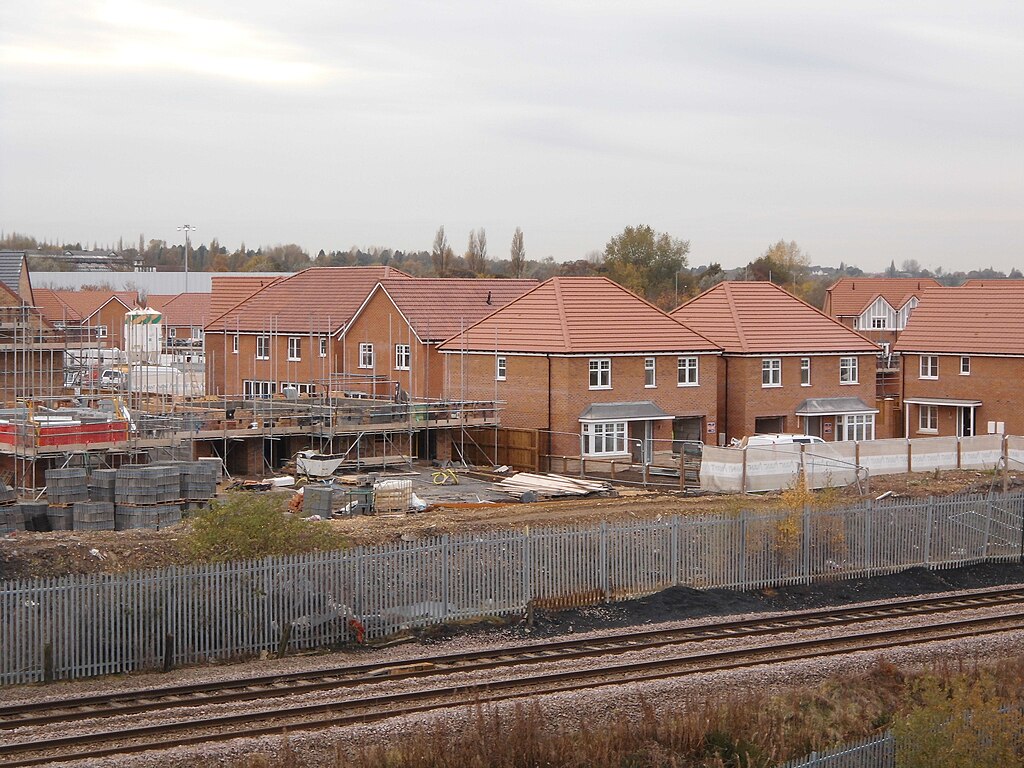
UK house prices remained unchanged in the four weeks to February 7, signaling a pause in momentum after a strong post-budget surge over the Christmas and New Year period, according to the latest data from property portal Rightmove. The average asking price for British homes showed no movement on either a monthly or annual basis, following a record 2.8% monthly increase and a 0.5% annual rise reported for the five weeks ending January 10.
The recent stability in UK property prices comes after renewed confidence in the housing market, sparked by Chancellor Rachel Reeves’ annual budget announcement in late November. While the budget included several tax increases, the delayed implementation of most measures provided short-term relief and helped boost buyer sentiment. This contributed to January’s sharp rise in asking prices, marking the strongest start to a year for the housing market since 2020.
Historically, February typically brings a 0.8% increase in asking prices over the past decade, making this year’s flat performance notable. Despite steady pricing, housing market activity presents mixed signals. The total number of homes available for sale has reached an 11-year high for this time of year, giving buyers more choice and increasing competition among sellers.
New property listings dipped 1% compared to the same period last year, when activity was temporarily inflated by the looming expiration of a homebuyer tax break. However, new listings were still 11% higher than two years ago, reflecting a broader recovery trend. Meanwhile, the number of agreed sales was 5% lower than this point in 2025 but stood 9% higher than levels recorded at the same time in 2024.
Overall, the UK housing market appears to be stabilizing after a strong rebound, with steady house prices, increased supply, and improving long-term sales activity shaping the outlook for early 2026.







