


 Fed Unveils Stablecoin Rules Under GENIUS Act
  Asian Stocks Fall as Bond Yields Surge Ahead of Trump-Xi Summit
  Kremlin Says No Decision Yet on Putin-Trump December Summit
  Wall Street Ends Flat as Oil, Treasury Yields and Fed Jitters Rattle Markets
  Yemen Violence Displaces 130,000 as Civilian Toll Rises
  Xi Calls for Deeper U.S.-China AI Cooperation in Trump Talks
  Fed Unveils Stablecoin Rules Under GENIUS Act
  Oil Prices Surge as U.S.-Iran Diplomacy Hopes Fade
  Pezeshkian Says US Must Choose When Iran War Ends
  EU Defence Build-Up Too Slow for 2030 Russia Readiness Goal
  US 10-Year Treasury Yield at 6% Emerges as New Market Risk Threshold
  Gold Holds Near $4,275 as Rising Treasury Yields Fuel Fed Rate Hike Bets
  Netanyahu Takes Aim at Mamdani as Israel Election Nears
  U.S. Dollar Hits Two-Month High as Oil, Treasury Yields Surge
  Judge Orders Trump to Restore White House Access for CNN, MS NOW and Politico
  Ukrainian Drone Attacks Hit Russian Regions, Injuring at Least 12
  US Senate Rejects Iran War Powers Resolution in 50-49 Vote


 Add as a preferred source on Google
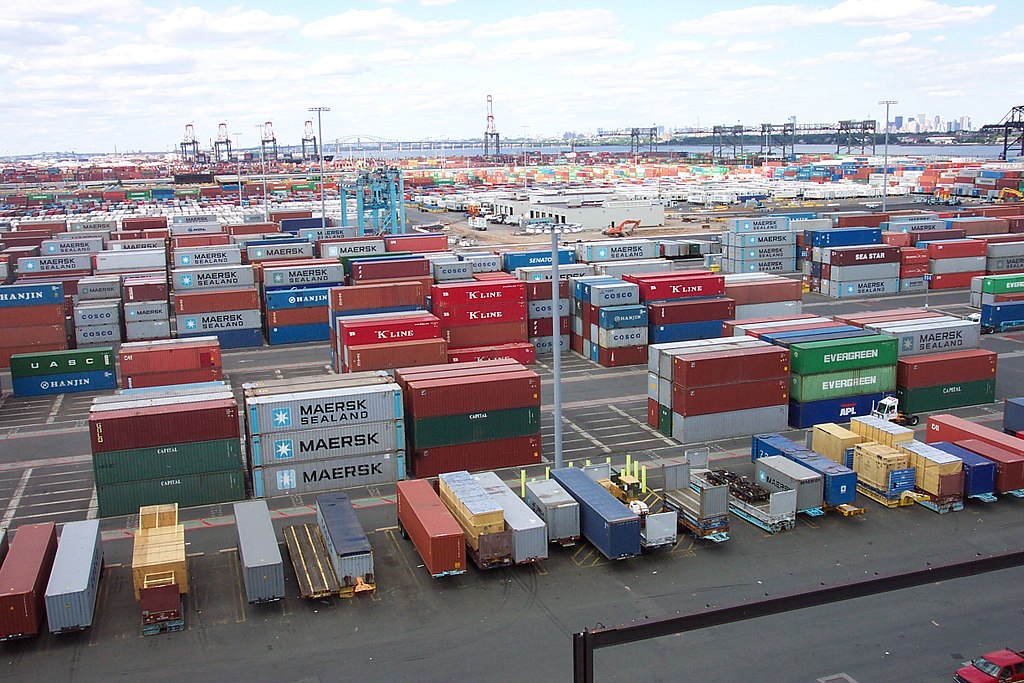
The United States and Taiwan have finalized a reciprocal trade agreement that sets a 15% U.S. tariff rate on imports from Taiwan while paving the way for lower Taiwanese tariffs on nearly all American goods. The deal, confirmed by the U.S. Trade Representative’s office, strengthens U.S.–Taiwan trade relations and reshapes supply chains in key sectors such as semiconductors, energy, and advanced technology.
Under the agreement, Taiwan will significantly increase purchases of U.S. products between 2025 and 2029. Planned imports include $44.4 billion in liquefied natural gas and crude oil, $15.2 billion in civil aircraft and engines, and $25.2 billion in power grid equipment, generators, marine equipment, and steelmaking machinery. These commitments are designed to narrow the growing U.S. trade deficit with Taiwan, which reached $126.9 billion in the first 11 months of 2025, largely due to increased imports of high-end AI chips.
The new trade framework builds on a January deal that reduced tariffs on Taiwanese exports, including semiconductors, from 20% to 15%, aligning Taiwan with regional competitors such as South Korea and Japan. Taiwan also secured exemptions on more than 2,000 product categories exported to the U.S., lowering the average tariff rate to 12.33%.
Taiwan has pledged $250 billion in corporate investments in U.S. semiconductor manufacturing, energy, and artificial intelligence projects, with Taiwan Semiconductor Manufacturing Co. already committing $100 billion. Additional collaboration is expected in greenfield and brownfield investments across strategic high-tech industries.
The agreement eliminates tariffs of up to 26% on many U.S. agricultural exports, including beef, dairy, and corn, while reducing others, such as pork and ham, to 10%. Taiwan will also remove non-tariff barriers on U.S. vehicles and adopt American safety standards for automobiles, medical devices, and pharmaceuticals.
Pending approval by Taiwan’s parliament, the trade pact is positioned to enhance economic cooperation, secure resilient supply chains, and deepen the U.S.–Taiwan strategic partnership in high-technology sectors.







