


 U.S. 10-Year Treasury Yield Hits 2007 High as Fed Rate Hike Bets Rise
  U.S. Dollar Hits Two-Month High as Oil, Treasury Yields Surge
  Oil Prices Ease as Iran Tensions Clash With Diplomacy Hopes
  Fed Unveils Stablecoin Rules Under GENIUS Act
  Japan Private-Sector Growth Slows as Domestic Demand Weakens
  Japanese Bank Stocks Surge as Bond Yields Fuel Rate Hike Bets
  US 10-Year Treasury Yield at 6% Emerges as New Market Risk Threshold
  Soybean Futures Slip as Traders Await Trump-Xi Trade Signals
  Trump, Xi Focus on Trade and AI at White House Summit
  RBI Uses $10 Billion Currency Swaps to Drain Excess Rupee Liquidity
  China’s ‘Lipstick King’ Says AI Won’t Replace Livestream Hosts
  European Stocks Fall as Bond Yields and Geopolitical Risks Weigh
  Oil Prices Jump 3% as Houthi Attack Revives Supply Fears
  Dollar Holds Near Two-Month High as Yen Approaches 160
  South Korea, US Discuss Warship Building Cooperation
  Wall Street Falls as Treasury Yields Surge, Oil Rebounds on Iran Tensions
  Asian Stocks Fall as Bond Yields Surge Ahead of Trump-Xi Summit


 Add as a preferred source on Google
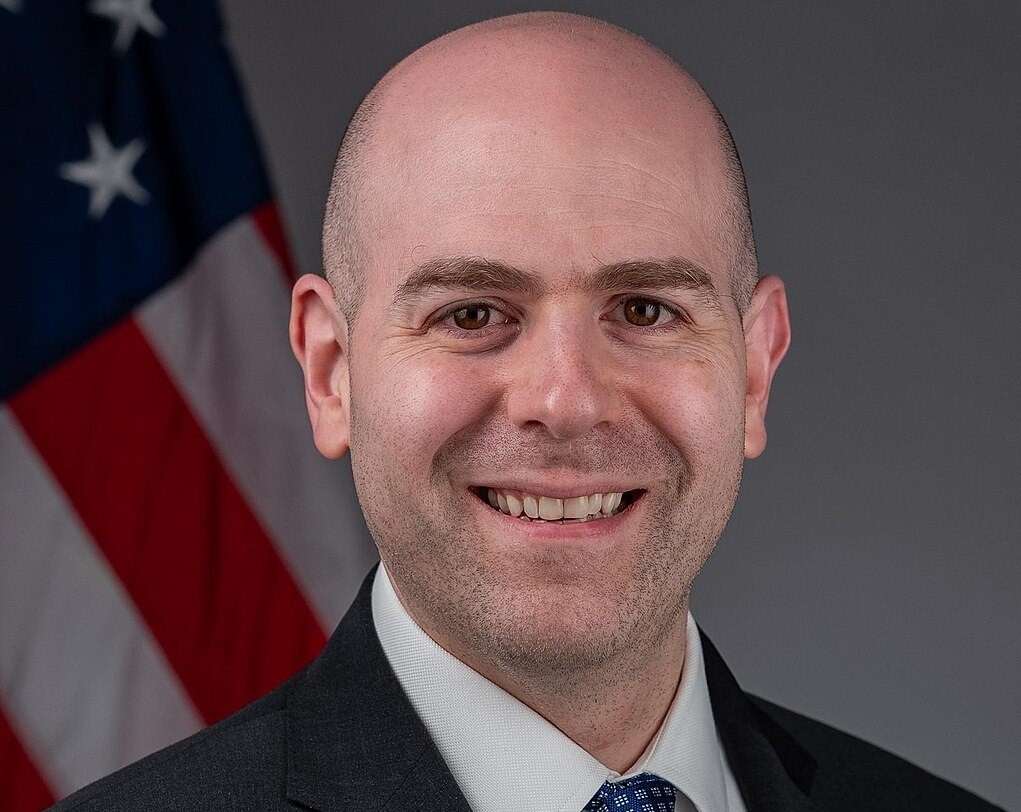
Federal Reserve Governor Stephen Miran cautioned that the central bank’s current monetary policy stance could pose a significant risk to U.S. economic growth. Speaking at a Dallas Fed event on Thursday, Miran argued that interest rates remain too restrictive and called for additional rate cuts to support the labor market and broader economy.
According to Miran, the biggest threat facing the U.S. economy is a misunderstanding of how tight monetary policy currently is. He emphasized that inflation concerns may be overstated, noting that subdued shelter inflation can offset price pressures in other areas of the consumer price index. In his view, the Federal Reserve has room to ease interest rates further without triggering renewed inflation.
Miran, a former White House economic advisor before joining the Federal Reserve, has consistently advocated for looser monetary policy. He previously supported larger rate reductions than those implemented during last year’s policy meetings. In January, he dissented when the Federal Open Market Committee voted 10-2 to maintain the benchmark interest rate in the 3.50%–3.75% range.
Highlighting supply-side expansion and stable demand conditions, Miran argued that the economy can continue growing without generating excessive inflation. He believes additional interest rate cuts would help underwrite labor market strength, especially as pro-growth measures such as tax cuts introduced under the Trump administration provide economic support.
However, Dallas Fed President Lorie Logan, who hosted the event, takes a more cautious stance. Logan has expressed concern that inflation remains stubbornly high and maintains that current Fed policy is not significantly restraining economic activity. While she did not outline her latest economic outlook at the event, she has previously opposed further rate cuts.
The debate underscores ongoing divisions within the Federal Reserve over inflation risks, economic growth prospects, and the appropriate path for U.S. interest rates in the months ahead.







