


 US, China Extend Trade Truce to Jan. 10 Ahead of Trump-Xi Summit
  European Stocks Fall as Bond Yields and Geopolitical Risks Weigh
  Japanese Bank Stocks Surge as Bond Yields Fuel Rate Hike Bets
  Asian Stocks Fall as Bond Yields Surge Ahead of Trump-Xi Summit
  Asian Currencies Mixed as Dollar Holds Near Two-Month High
  U.S. Dollar Hits Two-Month High as Oil, Treasury Yields Surge
  RBI Uses $10 Billion Currency Swaps to Drain Excess Rupee Liquidity
  Wall Street Ends Flat as Oil, Treasury Yields and Fed Jitters Rattle Markets
  Oil Prices Ease as Iran Tensions Clash With Diplomacy Hopes
  China’s ‘Lipstick King’ Says AI Won’t Replace Livestream Hosts
  Trump, Xi Focus on Trade and AI at White House Summit
  Oil Prices Jump 3% as Houthi Attack Revives Supply Fears
  Gold Holds Near $4,275 as Rising Treasury Yields Fuel Fed Rate Hike Bets
  Japan Private-Sector Growth Slows as Domestic Demand Weakens
  U.S. 10-Year Treasury Yield Hits 2007 High as Fed Rate Hike Bets Rise
  US Stock Futures Fall as Treasury Yields Surge Ahead of Trump-Xi Summit
  Wall Street Falls as Treasury Yields Surge, Oil Rebounds on Iran Tensions


 Add as a preferred source on Google
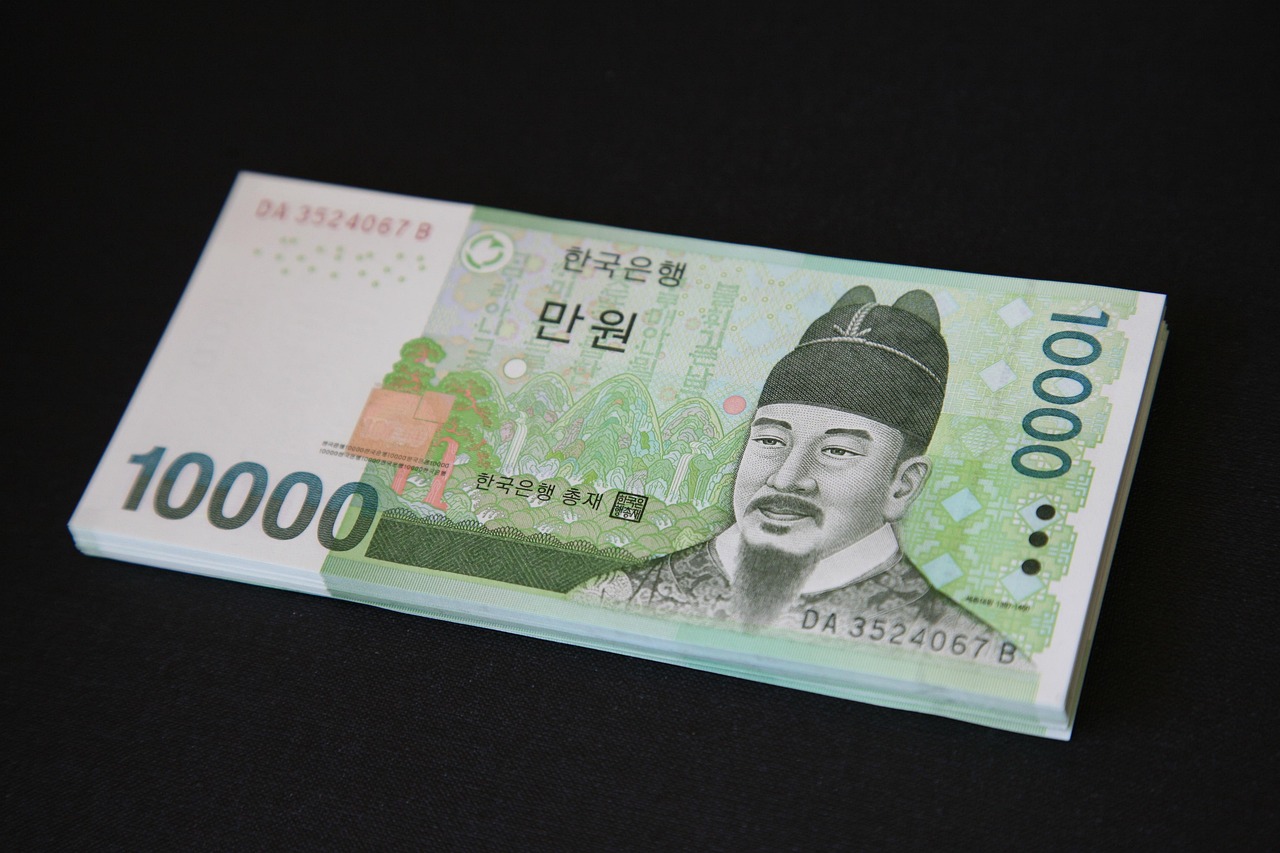
Most Asian currencies strengthened on Tuesday, tracking an overnight pullback in the U.S. dollar as its recent rebound lost momentum ahead of a busy week of key American economic data. While regional foreign exchange markets benefited from a softer greenback, gains were capped by caution as investors awaited fresh signals on U.S. interest rate policy.
The U.S. dollar index slipped sharply overnight, falling around 0.7% and drifting back toward a near four-year low reached in late January. In Asian trading, the dollar steadied, with markets largely in wait-and-see mode. Analysts noted that in the absence of clear catalysts, the dollar could see choppy, two-way price action until there is more clarity on Federal Reserve leadership and policy direction. Expectations have tilted slightly bearish on the dollar ahead of major U.S. data releases, including retail sales, nonfarm payrolls, and consumer price inflation.
Uncertainty over U.S. monetary policy has intensified after President Donald Trump nominated Kevin Warsh as the next Federal Reserve chair, replacing Jerome Powell. Warsh is widely viewed as less dovish, a perception that previously triggered a brief dollar rebound and pressured Asian currencies. This week’s data will be closely scrutinized for clues on the Fed’s rate path.
In Asia, the Japanese yen extended gains for a second straight session, with the USD/JPY pair falling about 0.3%. The yen was supported by renewed warnings from Japanese officials about potential currency market intervention, helping offset concerns over Japan’s heavy debt burden and expanded fiscal spending following Prime Minister Sanae Takaichi’s landslide election victory. Her coalition’s supermajority gives room for increased government spending and tax reforms, which had earlier weighed on the yen.
Elsewhere, the Chinese yuan strengthened, with USD/CNY down 0.2% and the currency hovering near its strongest level in more than two and a half years, supported by firm midpoint fixings from Beijing. Investors are also watching upcoming Chinese CPI inflation data. The Australian dollar slipped slightly despite hawkish Reserve Bank of Australia commentary, while the Singapore dollar held steady even as GDP growth beat expectations. The South Korean won and Indian rupee also edged higher, supported by broad dollar weakness but constrained by global uncertainty.
Overall, Asian currencies remain cautiously supported as markets brace for pivotal U.S. economic indicators that could shape currency trends into 2026.







