


 U.S. Dollar Hits Two-Month High as Oil, Treasury Yields Surge
  Netanyahu’s Brief US Trip Highlights Strains With Trump
  North Korea Rejects Nuclear Test Warning, Calls Nuclear Status Irreversible
  EU Defence Build-Up Too Slow for 2030 Russia Readiness Goal
  Fed Unveils Stablecoin Rules Under GENIUS Act
  Pezeshkian Says US Must Choose When Iran War Ends
  Soybean Futures Slip as Traders Await Trump-Xi Trade Signals
  Netanyahu Defends Israel at UN as Delegates Stage Walkout
  Xi Calls for Deeper U.S.-China AI Cooperation in Trump Talks
  Trump, Xi Focus on Trade and AI at White House Summit
  Mexico-US Trade Talks Delayed to October as Tariff Negotiations Continue
  Ghana Says Western Support Growing for Slave Trade Reparations
  Wall Street Ends Flat as Oil, Treasury Yields and Fed Jitters Rattle Markets
  European Stocks Fall as Bond Yields and Geopolitical Risks Weigh
  Asian Currencies Mixed as Dollar Holds Near Two-Month High
  Abbas Reaffirms November 28 Palestinian Elections
  Gold Holds Near $4,275 as Rising Treasury Yields Fuel Fed Rate Hike Bets


 Add as a preferred source on Google
Bangladesh has secured a reduced 19% U.S. tariff under a new reciprocal trade agreement signed with the United States, marking a significant development for the country’s export-driven economy, particularly its vital garments and textiles sector. The agreement, finalized after nine months of negotiations, provides tariff relief and grants exemptions for certain textile and apparel products manufactured using U.S.-produced cotton and man-made fibers.
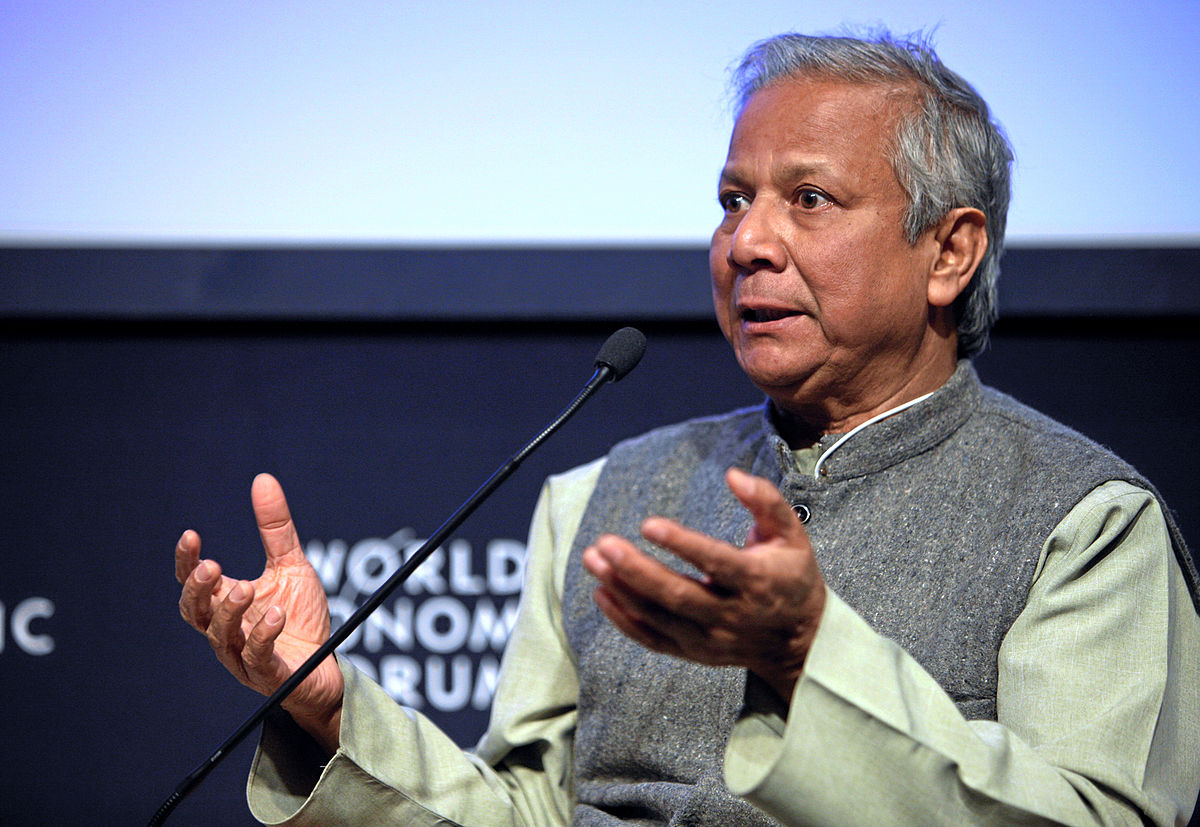
Chief Adviser Muhammad Yunus, who heads Bangladesh’s interim government, said the United States has committed to establishing a mechanism that would allow specific Bangladeshi textile and apparel goods made with U.S. raw materials to enter the American market with zero reciprocal tariffs. This move is expected to strengthen bilateral trade ties and support Bangladesh’s apparel exporters, who were previously facing much higher proposed duties.
In exchange, Bangladesh has agreed to provide significant preferential market access for U.S. industrial and agricultural products. These include chemicals, medical devices, machinery, motor vehicles and parts, soy products, dairy goods, beef, poultry, tree nuts, and fruits. Bangladesh will also reduce non-tariff barriers by accepting U.S. vehicle safety and emissions standards, recognizing U.S. Food and Drug Administration certifications, and removing restrictions on remanufactured goods.
The agreement outlines major commercial commitments, including approximately $3.5 billion in U.S. agricultural purchases and an estimated $15 billion in U.S. energy imports over the next 15 years. Biman Bangladesh Airlines also plans to purchase 14 Boeing aircraft, with options for additional orders, while Bangladesh has agreed to buy an unspecified amount of U.S. military equipment.
Bangladesh has pledged to uphold internationally recognized labor rights and strengthen environmental protections under the deal. According to tariff schedules released by the U.S. Trade Representative, Bangladesh will eliminate tariffs on many farm and food products immediately, while others will be reduced gradually over five to ten years.
The ready-made garments industry, which accounts for more than 80% of Bangladesh’s export earnings and employs around 4 million workers, stands to benefit significantly from the reduced U.S. tariffs. The agreement comes as Bangladesh prepares for national elections, following governance by an interim administration since August 2024.







