


 Najib Razak Seeks Stay of 15-Year 1MDB Prison Sentence
  Ghana Says Western Support Growing for Slave Trade Reparations
  Ukrainian Drone Attacks Hit Russian Regions, Injuring at Least 12
  North Korea Warns South Korea Over US-Led Defense Role
  Yemen Violence Displaces 130,000 as Civilian Toll Rises
  Taiwan Thanks US for Support Ahead of Trump-Xi Summit
  Xi Calls for Deeper U.S.-China AI Cooperation in Trump Talks
  What ‘Taiwan Independence’ Means as Xi Presses Trump on US Policy
  NATO Boosts Intelligence Sharing Amid Russia Hybrid Threats
  Netanyahu Defends Israel at UN as Delegates Stage Walkout
  Kremlin Says No Decision Yet on Putin-Trump December Summit
  US Senate Rejects Iran War Powers Resolution in 50-49 Vote
  South Korea, US Discuss Warship Building Cooperation
  Netanyahu’s Brief US Trip Highlights Strains With Trump
  France Defends Netanyahu Airspace Clearance Despite ICC Warrant
  Sudan Rejects US Legitimacy Remarks, Defends Sovereignty
  Trump Asks Supreme Court to Restore Third-Country Deportations


 Add as a preferred source on Google
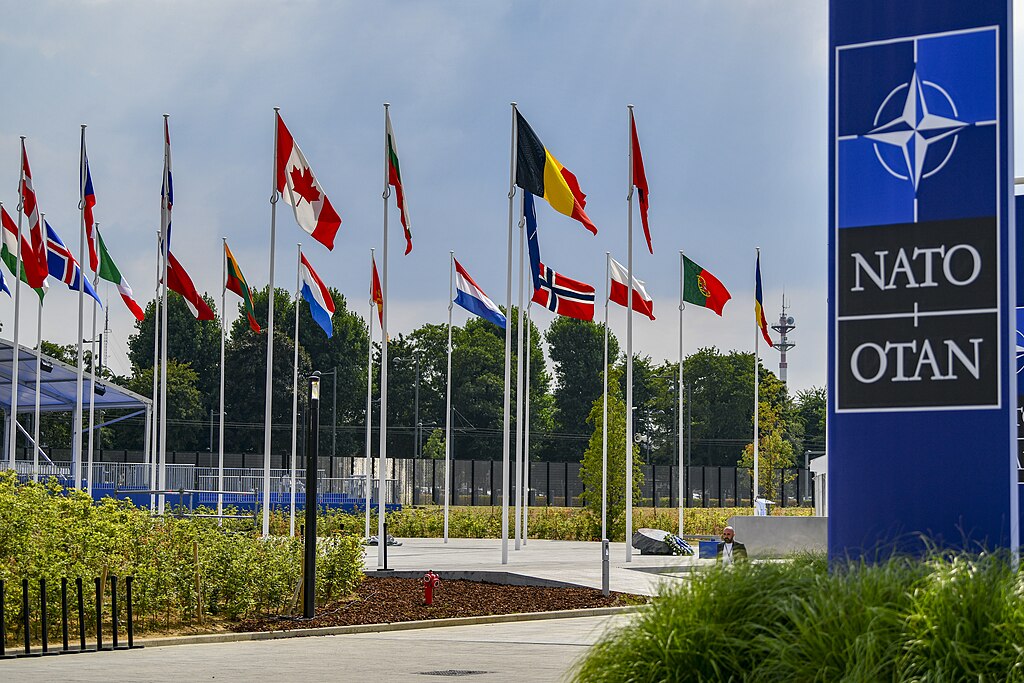
The United States is preparing to transfer leadership of two major NATO command posts to European officers, marking a significant shift in the alliance’s military structure and reflecting growing calls for Europe to take greater responsibility for its own defense. According to a military source cited by Reuters, the command changes align with U.S. President Donald Trump’s long-standing push for a more “European-led NATO.”
Under the planned restructuring, European officers will assume control of NATO’s Allied Joint Force Command in Naples, Italy, and Joint Force Command Norfolk in Virginia. Both commands are currently headed by U.S. admirals and play critical roles in overseeing NATO operations and strategic coordination. The source, speaking on condition of anonymity, said the transition is part of a broader effort to rebalance leadership responsibilities within the alliance.
While Europe gains control of these top-level command posts, the United States will continue to hold substantial influence within NATO. U.S. officers are expected to take command of three operationally significant but slightly lower-tier headquarters: Allied Air Command, Allied Maritime Command, and Allied Land Command. These commands are central to NATO’s air, sea, and land operations and remain vital to the alliance’s collective defense posture, according to both the military source and another individual familiar with the discussions.
A NATO official confirmed that allies have agreed on a new distribution of senior military leadership roles across the NATO Command Structure. The official emphasized that European allies, including the alliance’s newest members, will have a more prominent presence in NATO’s military leadership going forward. The changes were described as part of planning for future leadership rotations, with additional details expected to be released at a later stage.
The reported NATO command reshuffle was first revealed by French publication La Lettre and later by Politico, underscoring the growing international attention on evolving transatlantic defense dynamics. As NATO adapts to new security challenges and internal expectations, the redistribution of command roles highlights a strategic effort to strengthen European defense leadership while maintaining strong U.S. involvement in critical operational areas.







