


 Oil Prices Jump 3% as Houthi Attack Revives Supply Fears
  Wall Street Falls as Treasury Yields Surge, Oil Rebounds on Iran Tensions
  U.S. 10-Year Treasury Yield Hits 2007 High as Fed Rate Hike Bets Rise
  US, China Extend Trade Truce to Jan. 10 Ahead of Trump-Xi Summit
  RBI Uses $10 Billion Currency Swaps to Drain Excess Rupee Liquidity
  Russian Envoy Dmitriev Heads to US for Ukraine Talks
  Wall Street Ends Flat as Oil, Treasury Yields and Fed Jitters Rattle Markets
  South Korea, US Discuss Warship Building Cooperation
  Asian Stocks Fall as Surging Bond Yields Rattle Markets
  Mexico-US Trade Talks Delayed to October as Tariff Negotiations Continue
  Trump, Xi Focus on Trade and AI at White House Summit
  Asian Stocks Fall as Bond Yields Surge Ahead of Trump-Xi Summit
  Gold Prices Fall as Treasury Yields Rise on Fed Rate Hike Bets
  US Stock Futures Fall as Treasury Yields Surge Ahead of Trump-Xi Summit
  China’s ‘Lipstick King’ Says AI Won’t Replace Livestream Hosts
  Soybean Futures Slip as Traders Await Trump-Xi Trade Signals
  Oil Prices Surge as U.S.-Iran Diplomacy Hopes Fade


 Add as a preferred source on Google
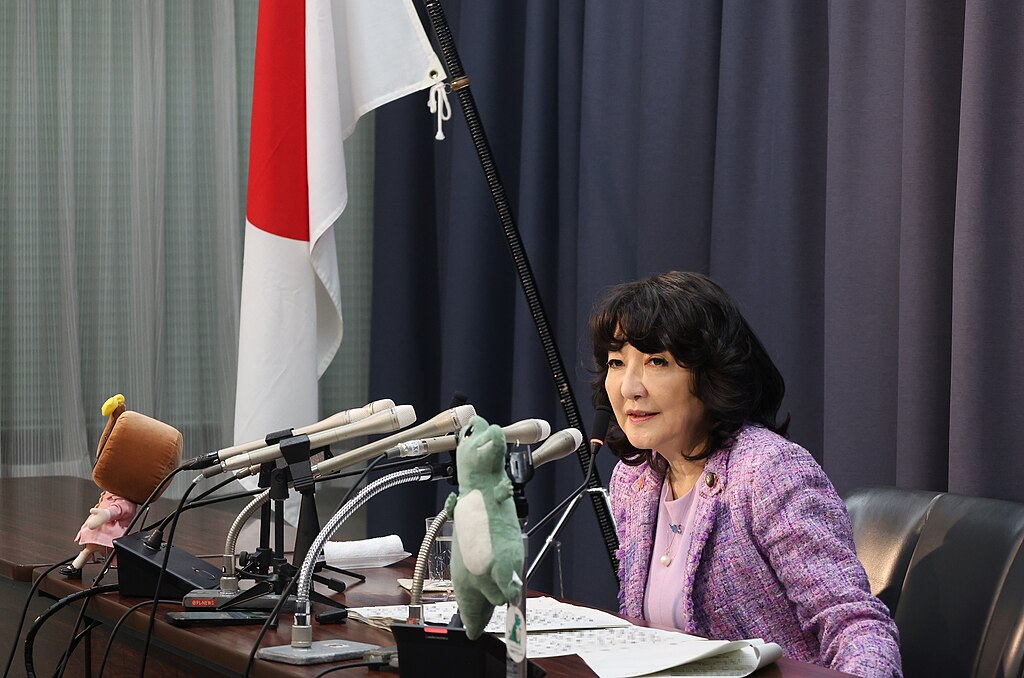
Japan’s government is considering whether surplus funds from its massive foreign exchange reserves could be used to help finance planned cuts to the food sales tax, according to comments made Tuesday by Japanese Minister of Finance Satsuki Katayama. The discussion comes as policymakers search for sustainable funding sources to offset potential revenue losses from tax relief measures aimed at easing the burden on households amid rising living costs.
Speaking at a press conference, Katayama acknowledged that Japan holds approximately $1.4 trillion in foreign currency reserves and said that using surplus generated from those reserves could be an option during broader fiscal discussions. She noted that in previous years, excess funds created through foreign exchange reserve operations had been transferred to the government’s general account, setting a precedent for such a move.
However, Katayama stopped short of confirming whether the government would take concrete steps in that direction. She declined to comment on the possibility of easing existing budgetary rules, which currently require at least 30% of annual surplus funds to remain in the reserve account. Relaxing that requirement would make it easier for the government to redirect more money into the general account, potentially helping to cover revenue shortfalls caused by tax cuts.
The idea of tapping foreign exchange reserve surpluses highlights the growing fiscal challenges facing Japan. While the country maintains one of the world’s largest stockpiles of foreign currency reserves, strict fiscal rules are designed to preserve financial stability and limit excessive reliance on one-off funding sources. Any decision to adjust those rules would likely spark debate among lawmakers and economists concerned about long-term fiscal discipline.
Planned reductions in the food sales tax have gained attention as part of broader efforts to support consumers, particularly lower-income households disproportionately affected by inflation. At the same time, policymakers must balance social support measures with the need to maintain sound public finances.
Katayama’s remarks suggest that while no immediate decision has been made, the government is keeping multiple options on the table. As discussions continue, markets and the public will be watching closely to see whether Japan ultimately chooses to leverage surplus foreign exchange reserves as part of its strategy to fund tax relief without significantly increasing public debt.







