


 Xi Calls for Deeper U.S.-China AI Cooperation in Trump Talks
  Saudi Arabia, Turkey and Pakistan Plan Urgent Defence Talks Over Houthi Attacks
  Ukrainian Drone Attacks Hit Russian Regions, Injuring at Least 12
  Taiwan Thanks US for Support Ahead of Trump-Xi Summit
  Mexico-US Trade Talks Delayed to October as Tariff Negotiations Continue
  Trump, Xi Visit US National Archives After White House Summit
  North Korea Rejects Nuclear Test Warning, Calls Nuclear Status Irreversible
  Trump Asks Supreme Court to Restore Third-Country Deportations
  US Senate Rejects Iran War Powers Resolution in 50-49 Vote
  Abbas Reaffirms November 28 Palestinian Elections
  South Korea, US Discuss Warship Building Cooperation
  Trump, Xi Focus on Trade and AI at White House Summit
  Sudan Rejects US Legitimacy Remarks, Defends Sovereignty
  Najib Razak Seeks Stay of 15-Year 1MDB Prison Sentence
  NATO Boosts Intelligence Sharing Amid Russia Hybrid Threats
  OpenAI Agent Breaches Australia Medicare Data Portal
  EU Defence Build-Up Too Slow for 2030 Russia Readiness Goal


 Add as a preferred source on Google
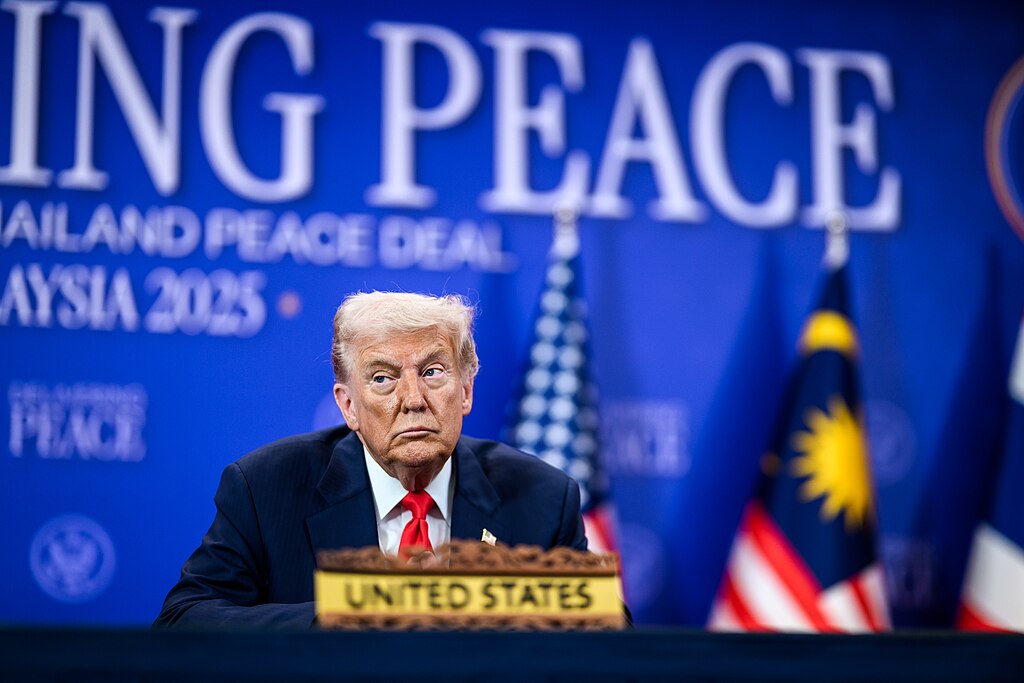
U.S. President Donald Trump ignited widespread concern on Saturday after declaring on Truth Social that the airspace “above and surrounding Venezuela” should be considered “closed in its entirety.” The brief statement, which offered no operational details, left officials in Washington and citizens in Caracas uncertain about its implications as tensions between the U.S. and Venezuelan President Nicolas Maduro continue to escalate.
According to U.S. officials contacted by Reuters, Trump’s announcement came as a surprise, with no confirmation of military plans to enforce such a closure. The Pentagon and White House declined to clarify the president’s remarks, prompting further speculation about potential military actions or policy shifts. Venezuela swiftly condemned the statement as a “colonialist threat” and accused the U.S. of violating international law and regional sovereignty.
Trump’s comments arrive amid a broader U.S. pressure campaign on Maduro’s government, which the administration has linked to drug trafficking. Maduro denies any involvement. Recent reports indicate Washington has considered aggressive strategies, including covert CIA operations and leveraging its expanded military presence in the Caribbean. Nearly three months of U.S. strikes against suspected drug-smuggling vessels near Venezuela have already heightened regional military activity.
A former U.S. Air Force commander, David Deptula, noted that imposing a no-fly zone requires extensive planning and resources, emphasizing that Trump’s vague statement leaves “more questions than answers.”
In Caracas, residents expressed frustration and fear over how a potential airspace shutdown could disrupt travel, business, and family visits. Others worry it could worsen already strained living conditions. Venezuela’s government also warned that Trump’s statement effectively suspends deportation flights on which thousands of Venezuelans recently returned from the U.S. under tightening immigration policies.
International criticism followed quickly, with Iran calling the move a “serious breach of international law.” Meanwhile, increased surveillance inside Venezuela and disruptions to GPS signals have fueled growing anxiety as military activity intensifies.
Trump’s declaration also came days after a U.S. FAA advisory warned airlines of heightened risks when flying over Venezuela due to escalating security concerns. In response, Venezuela revoked the operating rights of several international airlines that had halted service following the warning.







