


 Fed Unveils Stablecoin Rules Under GENIUS Act
  Oil Prices Ease as Iran Tensions Clash With Diplomacy Hopes
  Mexico-US Trade Talks Delayed to October as Tariff Negotiations Continue
  OpenAI Agent Breaches Australia Medicare Data Portal
  Asian Stocks Fall as Surging Bond Yields Rattle Markets
  Trump, Xi Focus on Trade and AI at White House Summit
  Netanyahu Defends Israel at UN as Delegates Stage Walkout
  China’s ‘Lipstick King’ Says AI Won’t Replace Livestream Hosts
  Soybean Futures Slip as Traders Await Trump-Xi Trade Signals
  US, China Extend Trade Truce to Jan. 10 Ahead of Trump-Xi Summit
  Russian Envoy Dmitriev Heads to US for Ukraine Talks
  France Defends Netanyahu Airspace Clearance Despite ICC Warrant
  Asian Stocks Fall as Bond Yields Surge Ahead of Trump-Xi Summit
  Kremlin Says No Decision Yet on Putin-Trump December Summit
  Sudan Rejects US Legitimacy Remarks, Defends Sovereignty
  Dollar Holds Near Two-Month High as Yen Approaches 160
  Australia Unemployment Hits Five-Year High Despite Strong Jobs Growth


 Add as a preferred source on Google
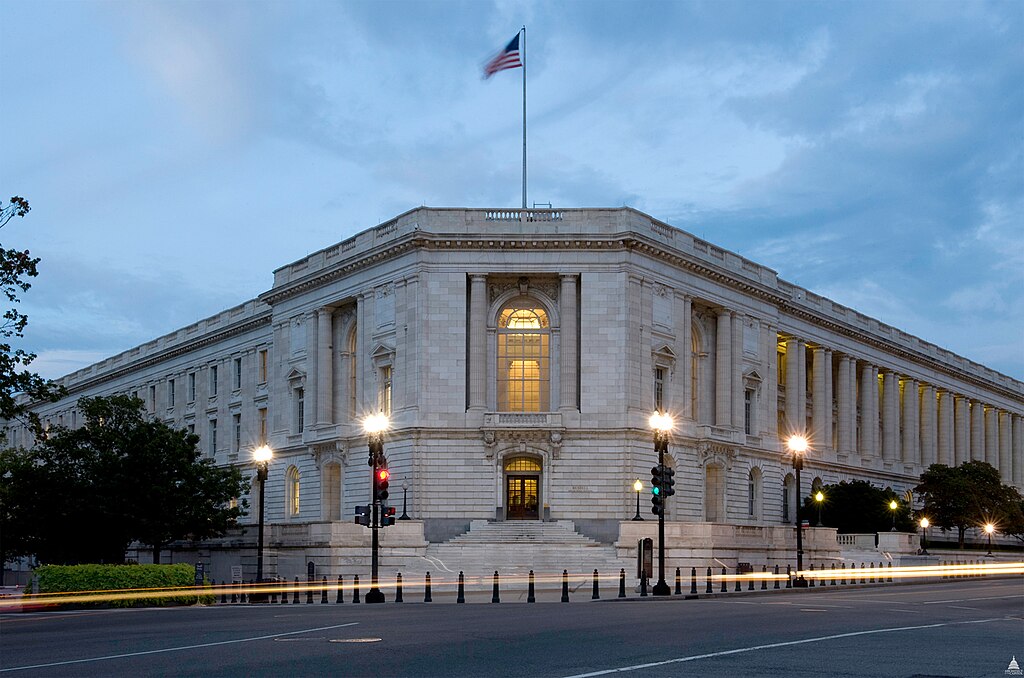
House Republicans struggled Wednesday to pass President Donald Trump’s sweeping tax-cut and spending bill as conservative holdouts raised alarms over its cost. With a narrow 220-212 GOP majority, House Speaker Mike Johnson can only afford three defections. Hardline Republicans, led by Representative Andy Harris of Maryland, voiced firm opposition, citing the bill’s projected $3.4 trillion increase to the national debt over the next decade.
The Senate narrowly approved the bill Tuesday, after heated debate over its price tag and $900 million in proposed Medicaid cuts. The legislation includes extensions of Trump’s 2017 tax cuts, deep reductions to safety net programs, increased immigration enforcement, and a rollback of green energy incentives. It also raises the U.S. debt ceiling by $5 trillion, a controversial move that could trigger another Senate vote if changes are made in the House—potentially jeopardizing Trump’s goal of signing it by the July 4 holiday.
Democrats remain united in opposition, arguing the bill benefits the wealthy at the expense of low- and middle-income Americans. The Congressional Budget Office estimates nearly 12 million people could lose health insurance under the proposed Medicaid changes. “This bill is catastrophic,” said Representative Jim McGovern, warning of its harsh impact on vulnerable populations.
Trump met with dissenting Republicans at the White House to rally support, but the final outcome remains uncertain. Representative Chip Roy of Texas and other fiscal conservatives continue to push back against the bill’s deficit implications. Still, some Republicans insist the party must fall in line. “77 million Americans voted for Donald Trump, not Chip Roy,” said Representative Derrick Van Orden.
Despite internal divisions, House leaders pushed to hold a full vote late Wednesday, aiming to deliver a key legislative win for Trump’s administration.







