


 Russian Envoy Dmitriev Heads to US for Ukraine Talks
  US Invites Putin to Miami G20, Opening Door to Trump Summit
  Oil Prices Surge as U.S.-Iran Diplomacy Hopes Fade
  Asian Currencies Muted as Dollar Firms Ahead of Trump-Xi Summit
  Japan Private-Sector Growth Slows as Domestic Demand Weakens
  Trump to Press Xi on Release of US Nuclear Expert Held in China
  Trump Says ‘Freedom’ Is Coming to Cuba
  Gold Prices Fall as Treasury Yields Rise on Fed Rate Hike Bets
  US, China Extend Trade Truce to Jan. 10 Ahead of Trump-Xi Summit
  Dollar Hits Two-Month High as Fed Rate Hike Bets Rise
  Netanyahu Takes Aim at Mamdani as Israel Election Nears
  Asian Stocks Fall as Bond Yields Surge Ahead of Trump-Xi Summit
  Mexico-US Trade Talks Delayed to October as Tariff Negotiations Continue
  Lula and Flavio Bolsonaro Tied in Brazil Runoff Poll
  Taiwan Thanks US for Support Ahead of Trump-Xi Summit
  Marco Rubio to Meet Russia’s Lavrov in New York


 Add as a preferred source on Google
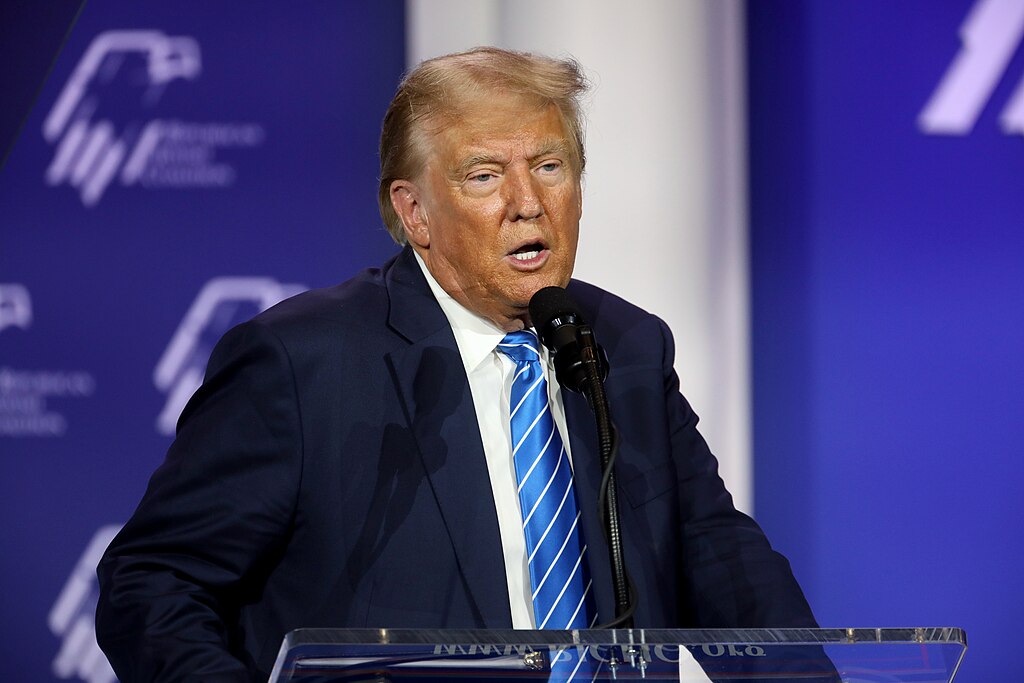
As President-elect Donald Trump prepares to reintroduce trade tariffs as a central feature of his political agenda, economists are examining the potential repercussions for global economies, particularly in the Eurozone. While concerns have surfaced about tariffs stoking inflation, Citibank economists suggest that such measures may instead amplify deflationary pressures in an already fragile European economy.
Tariffs and the Eurozone’s Economic Struggles
Citi's analysis posits that tariffs, including a possible 10% blanket duty on European Union (EU) goods, may have negligible direct impacts on inflation within the Eurozone. In a recent note, Citi economists emphasized that imports from the U.S. constitute just over 10% of total euro area goods imports, with energy accounting for a significant portion. Energy, however, is unlikely to be subjected to tariffs. Furthermore, consumption goods from the U.S. represent only 6% of total imported goods, resulting in a limited pass-through effect on the Harmonized Index of Consumer Prices (HICP).
Rather than inflation, the greater concern appears to be the negative implications for economic growth. Citi’s economists predict that a U.S.-EU trade conflict, combined with additional U.S. measures targeting China, could exacerbate existing challenges in the Eurozone's manufacturing sector. The bank has already revised its Eurozone GDP growth projections downward by 0.3%.
“This shock to the already-struggling European manufacturing sector could weigh on employment and wages in the tradeable sector and beyond,” Citi noted. The economists warned that such pressures could ripple across industries, further undermining the Eurozone’s attempts to revitalize growth.
Lessons from the Previous Trump Administration
Reflecting on the effects of tariffs imposed during Trump’s earlier tenure, Citi highlighted significant disinflationary outcomes in Europe. The decline in U.S. reliance on Chinese imports during previous trade disputes, for instance, led to a surge in Chinese import penetration in Europe, a trend that could persist under new tariffs.
While tariffs are likely to reduce U.S. and Chinese demand for Eurozone exports, Citi noted that the Eurozone had benefited in the past from trade diversion, as businesses sought alternatives to Chinese suppliers.
Mixed Reactions and Growing Concerns
Online reactions to the potential tariff policy have been divided. Many expressed skepticism about the broader impacts of Trump's proposed measures:
- @TradeAnalystEU: “Tariffs during a global slowdown? Trump’s playbook could tip Europe into deeper trouble. #EUTrade”
- @US_EconWatcher: “Deflation might be the silver lining Europe needs, but at what cost to growth and jobs? #TariffTroubles”
- @InvestorDaily24: “How much more can EU manufacturers take? Trump’s tariffs could devastate European exports. #TrumpEconomics”
- @PolicyRealist: “Citi’s deflation argument makes sense, but will tariffs deliver long-term stability? Doubtful. #GlobalTrade”
- @EconBuzzGlobal: “Let’s not forget: tariff wars rarely end well. Europe should brace for the worst. #TradeWars”
- @EurozoneInvestor: “Citi’s predictions are alarming. Deflation may not be the savior policymakers think it is. #EconomicPolicy”
Implications for Policymakers
Citi’s forecast underscores the complexity of managing trade policies during a period of economic uncertainty. As the Eurozone grapples with stagnation, its policymakers face the dual challenge of responding to external shocks while fostering internal recovery. The potential for deflation could provide some temporary relief for consumers but may also discourage investment and exacerbate unemployment in key sectors.







