


 US Invites Putin to Miami G20, Opening Door to Trump Summit
  Macron Challenges Trump’s Gaza Peace Claims at UN
  US Stock Futures Rise as Meta Muse Fuels AI Rally
  Oil Prices Extend Losses as U.S.-Iran Talks Ease Supply Fears
  Lula and Flavio Bolsonaro Tied in Brazil Runoff Poll
  Gold Prices Rise as Oil Slide Eases Fed Rate Hike Fears
  Zelenskiy Warns Russia Preparing Major Attack on Ukraine
  US Dollar Hits Two-Month High as Fed Rate Hike Bets Rise
  Oil Prices Rise as U.S.-Iran Talks Fuel Diplomacy Hopes
  Mexico-US Trade Talks Delayed to October as Tariff Negotiations Continue
  Trump Meets Venezuela’s Delcy Rodriguez at UN Assembly
  Trump Administration Plans Faster FDA Reviews for Smoke-Free Nicotine Products
  Taiwan Vows to Advance US Arms Sales Ahead of Trump-Xi Meeting
  China Tightens Fentanyl Rules Ahead of Trump-Xi Summit
  Trump Board of Peace Unveils $2.45 Billion Gaza Recovery Plan
  Ghana Says Western Support Growing for Slave Trade Reparations


 Add as a preferred source on Google
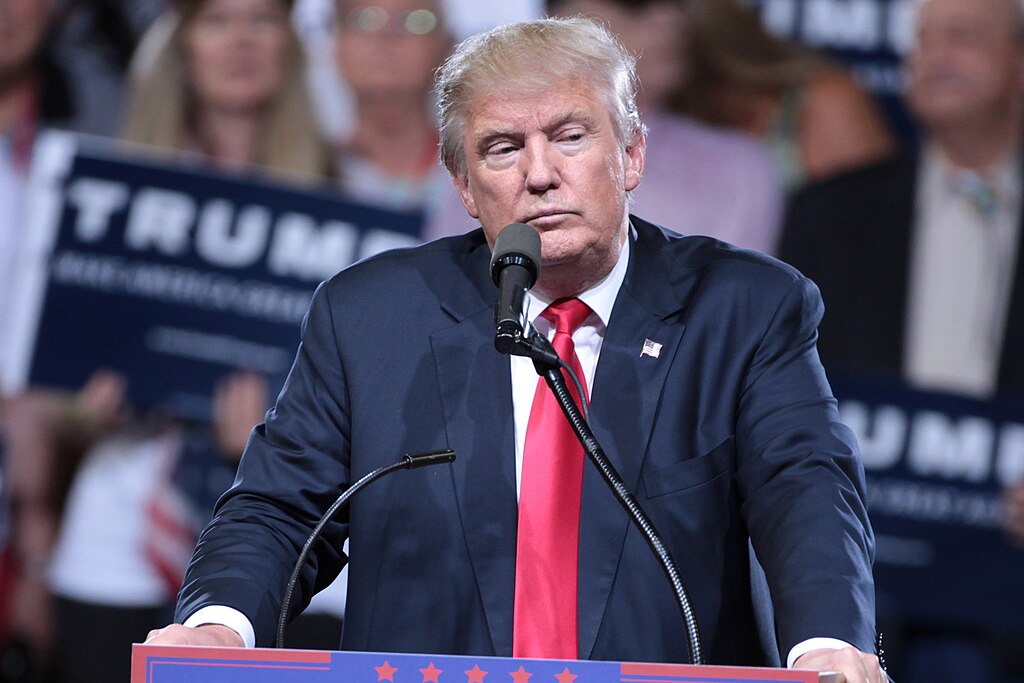
President-elect Donald Trump’s proposed import tariffs could be a major disruptor for the energy sector, according to RBC Capital Markets analysts. Trump, taking office soon, has pledged sweeping tariffs, including a 10% levy on global imports, 60% on Chinese goods, and 25% on Canadian and Mexican products.
Economists warn these tariffs could disrupt global trade, fuel inflation, and trigger retaliatory measures. The markets are already uneasy, especially after reports surfaced that Trump may declare a national economic emergency to justify these tariffs. Earlier, Trump dismissed rumors of narrowing tariffs to critical goods only.
RBC’s Helima Croft noted the uncertainty around the scope of these tariffs. However, she highlighted that a significant levy on China, the world’s largest crude importer, could weaken demand and pressure oil prices. Some business leaders tied to China might urge Trump to reconsider.
Croft suggested Trump might negotiate with Beijing if offered large-scale purchases of U.S. goods, such as aircraft or liquefied natural gas. Beijing, in turn, could potentially trade a reduction in Iranian crude imports for tariff relief.
The broader market impact remains hard to predict. Unlike past trade disputes, the administration must now balance tariff effects with ongoing macroeconomic concerns dominating Washington’s agenda.
By focusing on demand shifts, economic repercussions, and geopolitical trade-offs, Trump’s tariff strategy introduces significant volatility for energy markets.







