


 Putin Says Ukraine Peace Proposals Remain on Table
  Xi Calls for Deeper U.S.-China AI Cooperation in Trump Talks
  Abbas Reaffirms November 28 Palestinian Elections
  US Backs Musk in Fight Against EU’s €120 Million X Fine
  Iran Rejects Nuclear Concessions in Hormuz Deal
  Ukrainian Drone Attacks Hit Russian Regions, Injuring at Least 12
  Evan Gershkovich Says FSB Set Trap for 2023 Russia Arrest
  Najib Razak Seeks Stay of 15-Year 1MDB Prison Sentence
  EU Agrees €6.6 Billion Military Aid Funding for Ukraine
  Saudi Arabia, Turkey and Pakistan Plan Urgent Defence Talks Over Houthi Attacks
  Pope Leo Warns UN, Multilateral Groups Face Crisis
  Yemen Violence Displaces 130,000 as Civilian Toll Rises
  Trump, Xi Visit US National Archives After White House Summit
  What ‘Taiwan Independence’ Means as Xi Presses Trump on US Policy
  US Comfortable With Canada Trade Standoff as Import Bans Loom
  Trump Warns China Against Supporting Iran in Xi Talks
  Trump Asks Supreme Court to Restore Third-Country Deportations


 Add as a preferred source on Google
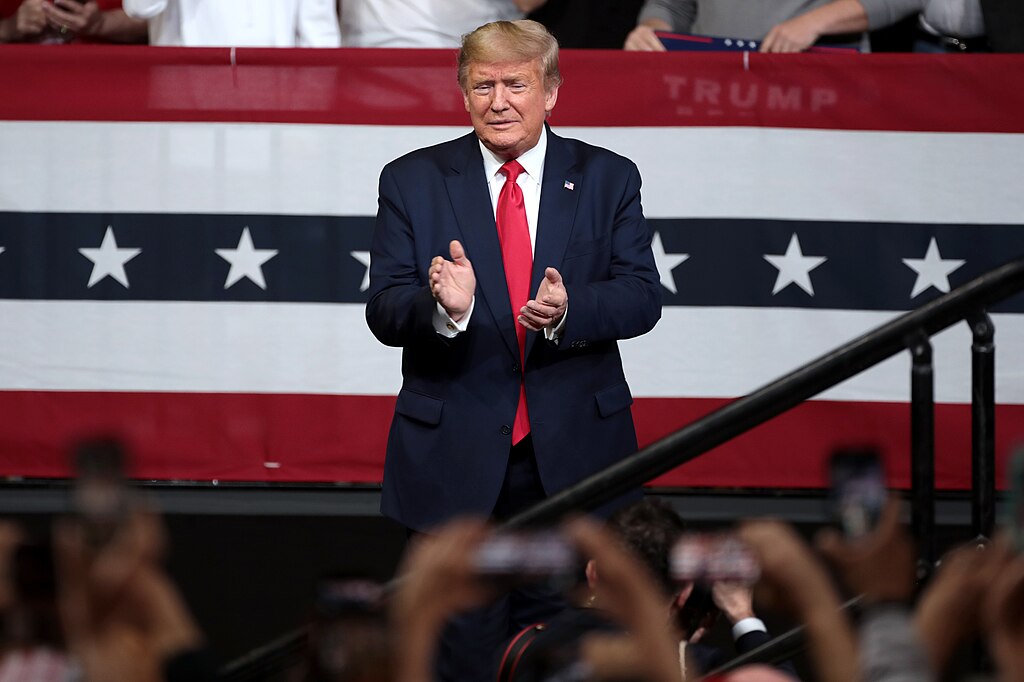
President-elect Donald Trump has pledged to implement what he describes as the "largest tax cuts in the history of the country" upon taking office in 2025. This ambitious agenda aims to extend and expand the 2017 Tax Cuts and Jobs Act (TCJA), which is set to expire at the end of 2025, and introduce additional reductions to individual and corporate tax rates.
Extension of the 2017 Tax Cuts
The TCJA, enacted during Trump's first term, brought significant changes to the tax code, including lower individual income tax rates, a doubled standard deduction, and a reduced corporate tax rate. These provisions are scheduled to expire after 2025. Trump's plan seeks to make these cuts permanent, thereby preventing tax increases that would affect a broad spectrum of taxpayers. However, extending these cuts is projected to add approximately $4.6 trillion to the federal deficit over the next decade.
Proposed Additional Tax Reductions
Beyond extending existing cuts, Trump's proposal includes further tax relief measures. Key elements involve reducing the corporate tax rate from 21% to 20%, with potential reductions to 15% for companies manufacturing domestically. Additionally, the plan suggests eliminating income taxes on tips and overtime pay, aiming to increase take-home pay for workers in service industries. Another notable proposal is the removal of taxes on Social Security payments, intended to benefit retirees.
Economic and Fiscal Implications
While proponents argue that these tax cuts will stimulate economic growth and increase disposable income for Americans, critics express concerns about their impact on the national debt and income inequality. The federal debt has risen to $35 trillion, with a debt-to-GDP ratio of 120%. Implementing these tax cuts could exacerbate the deficit, potentially leading to higher interest rates and economic instability. Moreover, analyses indicate that the benefits of the proposed cuts may disproportionately favor higher-income individuals and corporations, raising questions about equitable wealth distribution.
Public Reaction and Social Media Discourse
The announcement has sparked diverse reactions across social media platforms. Twitter user @TaxJusticeNow expressed concern, stating, "Implementing massive tax cuts without addressing the deficit is fiscally irresponsible and endangers our economy." In contrast, @LowerTaxes4All supported the initiative, tweeting, "Finally, a plan that lets hardworking Americans keep more of their earnings. This is a win for everyone."
Another user, @EconAnalyst2025, noted, "While tax relief sounds appealing, we must consider the long-term implications for national debt and public services." Conversely, @SmallBizOwnerUSA argued, "Reducing corporate taxes will enable businesses like mine to expand and create more jobs."
Additionally, @SocialEquityAdvocate emphasized the importance of fairness: "Tax policies should aim to reduce inequality, not widen the gap between rich and poor." Meanwhile, @FiscalConservative commented, "It's about time we had a leader who understands that lower taxes drive economic growth."
As the new administration prepares to take office, the proposed tax cuts represent a central component of its economic strategy. The plan's success will depend on legislative negotiations, economic conditions, and public reception. The forthcoming debates are poised to shape the fiscal landscape of the United States for years to come.







