


 Yemen Violence Displaces 130,000 as Civilian Toll Rises
  Evan Gershkovich Says FSB Set Trap for 2023 Russia Arrest
  US Supreme Court Revives Trump Administration Voter Citizenship Database
  Netanyahu Defends Israel at UN as Delegates Stage Walkout
  What ‘Taiwan Independence’ Means as Xi Presses Trump on US Policy
  Putin Says Ukraine Peace Proposals Remain on Table
  Pope Leo Backs Press Freedom After White House Media Ban
  Saudi Arabia Seeks Military Support as Houthi Attacks Escalate
  Trump Asks Supreme Court to Restore Third-Country Deportations
  Pezeshkian Says US Must Choose When Iran War Ends
  Ukrainian Drone Attacks Hit Russian Regions, Injuring at Least 12
  North Korea Rejects Nuclear Test Warning, Calls Nuclear Status Irreversible
  Netanyahu’s Brief US Trip Highlights Strains With Trump
  North Korea Warns South Korea Over US-Led Defense Role
  US Comfortable With Canada Trade Standoff as Import Bans Loom
  EU Defence Build-Up Too Slow for 2030 Russia Readiness Goal
  Iran Rejects Nuclear Concessions in Hormuz Deal


 Add as a preferred source on Google
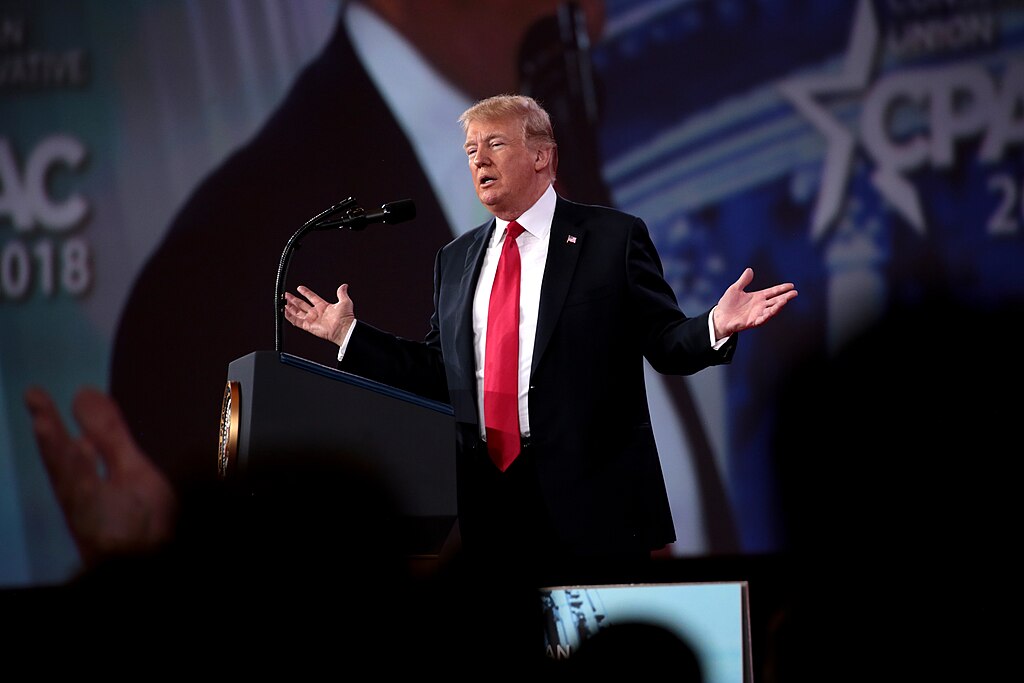
President-elect Donald Trump's transition team intends to withdraw the United States from the World Health Organization (WHO) on January 20, the day of his inauguration, according to reports from the Financial Times. This move would sever ties with the leading international public health agency, potentially undermining global health initiatives and pandemic response efforts.
Implications of Immediate Withdrawal
The United States is the largest single donor to the WHO, contributing approximately 16% of its funding in the 2022-2023 period. An abrupt withdrawal would create a significant financial shortfall, impairing the organization's capacity to address health emergencies, including disease outbreaks and humanitarian crises. Lawrence Gostin, a professor of global health law at Georgetown University, described the plan as "catastrophic for global health," warning that it would leave a leadership void unlikely to be filled by other nations.
Divergent Views Within the Transition Team
Within Trump's transition team, opinions differ regarding the WHO. Some members advocate for immediate withdrawal, citing mistrust and a desire to reverse President Joe Biden's decision to rejoin the organization on his first day in office in 2021. Others propose remaining within the WHO to pursue internal reforms. Ashish Jha, former White House COVID-19 response coordinator and dean of Brown University's School of Public Health, noted that those favoring withdrawal appear to be prevailing in the internal debate.
Potential Geopolitical Consequences
Experts caution that U.S. withdrawal could enable other nations, particularly China, to expand their influence within the WHO. Gostin warned that such a move would cede leadership to China, potentially affecting the organization's priorities and policies. Additionally, the absence of U.S. involvement might hinder global coordination in health crises, vaccine distribution, and disease surveillance, ultimately compromising international public health security.
Historical Context
This is not the first instance of the Trump administration seeking to exit the WHO. In 2020, amid the COVID-19 pandemic, President Trump announced intentions to withdraw, accusing the organization of being overly influenced by China and mishandling the outbreak. However, the process was halted when President Biden restored U.S. membership upon taking office in 2021.
Public Reaction and Social Media Discourse
The announcement has elicited a spectrum of reactions on social media platforms. Twitter user @GlobalHealthAdvocate expressed concern, stating, "Withdrawing from the WHO during ongoing health challenges is a reckless decision that endangers us all." In contrast, @SovereigntyFirst supported the move, tweeting, "It's time for the U.S. to prioritize its own health policies without external interference."
Another user, @PandemicPreparedness, noted, "Global health threats require collaboration; exiting the WHO isolates the U.S. from critical partnerships." Conversely, @FiscalConservative argued, "Our taxpayer dollars shouldn't fund organizations that don't align with American interests."
Additionally, @InfectiousDiseaseExpert emphasized the importance of international cooperation: "Diseases know no borders; disengaging from the WHO hampers our ability to respond effectively." Meanwhile, @AmericaFirstHealth commented, "We can establish our own health initiatives without relying on flawed international bodies."
As the inauguration approaches, the Trump administration's plan to withdraw from the WHO signals a significant shift in U.S. engagement with global health governance. The decision has sparked debate over its potential impact on international health initiatives and the United States' role in addressing transnational health challenges. The long-term consequences of this policy change will unfold as the new administration implements its agenda.







