


 Colombia Extradites FARC Dissident Leader ‘Spider’ to US
  Iran Rejects Nuclear Concessions in Hormuz Deal
  Trump, Xi Focus on Trade and AI at White House Summit
  Pezeshkian Says US Must Choose When Iran War Ends
  Trump Asks Supreme Court to Restore Third-Country Deportations
  EU Defence Build-Up Too Slow for 2030 Russia Readiness Goal
  Putin Says Ukraine Peace Proposals Remain on Table
  Abbas Reaffirms November 28 Palestinian Elections
  What ‘Taiwan Independence’ Means as Xi Presses Trump on US Policy
  North Korea Rejects Nuclear Test Warning, Calls Nuclear Status Irreversible
  Ukrainian Drone Attacks Hit Russian Regions, Injuring at Least 12
  US Backs Musk in Fight Against EU’s €120 Million X Fine
  Najib Razak Seeks Stay of 15-Year 1MDB Prison Sentence
  Netanyahu Defends Israel at UN as Delegates Stage Walkout
  US Supreme Court Revives Trump Administration Voter Citizenship Database
  NATO Boosts Intelligence Sharing Amid Russia Hybrid Threats
  Saudi Arabia Seeks Military Support as Houthi Attacks Escalate


 Add as a preferred source on Google
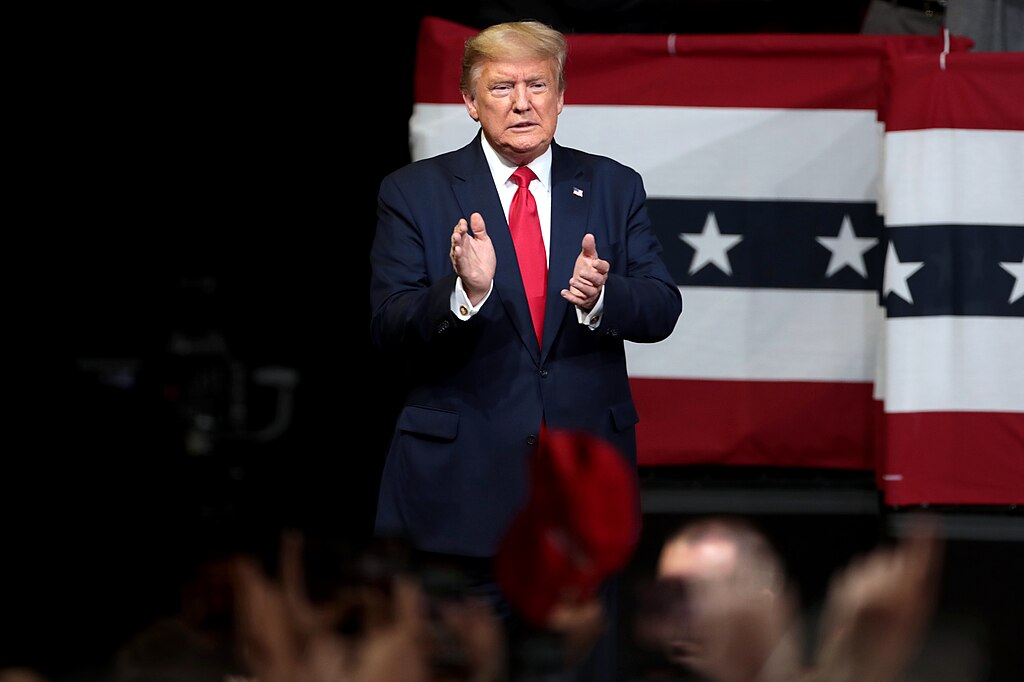
President-elect Donald Trump and his advisors are deliberating a strategy to deploy U.S. special forces into Mexico to combat drug cartels, according to a report by Rolling Stone. This "soft invasion" would involve covert operations aimed at dismantling cartel leadership and infrastructure.
Strategic Considerations for Covert Operations
The proposed plan includes deploying American special forces to conduct targeted assassinations of cartel leaders, utilizing drone strikes on drug labs, and engaging in cyber warfare to disrupt cartel networks. These measures are intended to curb the flow of illegal narcotics, particularly fentanyl, into the United States. Trump has reportedly expressed willingness to inform the Mexican government that failure to address the drug trafficking issue could prompt unilateral U.S. military action.
Support from Key Political Figures
Several of Trump's cabinet selections and political allies have publicly endorsed the idea of military intervention in Mexico. Senator Marco Rubio, nominated for Secretary of State, has supported deploying U.S. troops to combat drug cartels, contingent upon cooperation with the Mexican government. Similarly, Pete Hegseth, chosen to lead the Pentagon, has advocated for precision military actions against cartels, describing them as "terrorist-like organizations poisoning our population."
Historical Context and Policy Implications
This approach marks a significant shift in U.S. foreign policy toward Mexico. During his previous term, Trump suggested missile strikes against cartel operations in Mexico, though such actions were not implemented. The current proposal for a "soft invasion" reflects a more aggressive stance, raising concerns about potential diplomatic repercussions and the sovereignty of Mexico.
Public Reaction and Social Media Discourse
The revelation of these plans has sparked a range of reactions on social media platforms. Twitter user @PolicyWonk2024 commented, "Initiating military operations in Mexico could lead to severe diplomatic fallout and unintended consequences." In contrast, @SecureBordersNow expressed support, stating, "It's about time we take decisive action against the cartels threatening our nation's safety."
Another user, @HumanRightsWatchdog, raised ethical concerns: "Covert assassinations set a dangerous precedent and undermine international law." Conversely, @PatriotFirstUSA tweeted, "Protecting American lives from the scourge of drugs justifies strong measures, even if controversial."
Additionally, @DiplomacyMatters emphasized the importance of collaboration: "Working with Mexico through diplomatic channels is essential; unilateral action could destabilize the region." Meanwhile, @WarHistoryBuff noted, "Interventions like these have complex histories; we must tread carefully to avoid past mistakes."
As the Trump administration prepares to assume office, the consideration of a "soft invasion" into Mexico underscores the complexities of addressing transnational drug trafficking. The potential deployment of U.S. special forces on Mexican soil raises questions about the balance between national security interests and international diplomatic relations. The unfolding discourse will likely influence the administration's final decision on this contentious issue.







