


 ICE Agent Arrested in Minneapolis Over Venezuelan Man Shooting
  Australia Tightens Student Visa Rules, Targets Migration Cut by 2028
  US Senate Rejects Iran War Powers Resolution in 50-49 Vote
  Maduro Seeks Dismissal of US Drug Trafficking Charges
  Synthetic data could ease people’s concerns about privacy breaches. But who gets to create it?
  CNN, MS NOW and Politico Sue Trump Over White House Media Ban
  Trump Administration Removes Confederate Memorial Criticism From Arlington Website
  Netanyahu’s Brief US Trip Highlights Strains With Trump
  Trump Asks Supreme Court to Restore Third-Country Deportations
  Sudan Rejects US Legitimacy Remarks, Defends Sovereignty
  Canada Unveils Bill to Fast-Track Major Resource Projects
  Trump Bans CNN, MS NOW and Politico From White House
  US Officials Split Over Response to Israeli West Bank Settlements
  U.S. Imposes New Visa Restrictions Over South Africa Policies
  US Court Approves airBaltic Chapter 11 Restructuring
  Trump Administration Prepares Sanctions Against Entire ICC
  DOJ Will Investigate AI-Related Crimes, Attorney General Blanche Says


 Add as a preferred source on Google
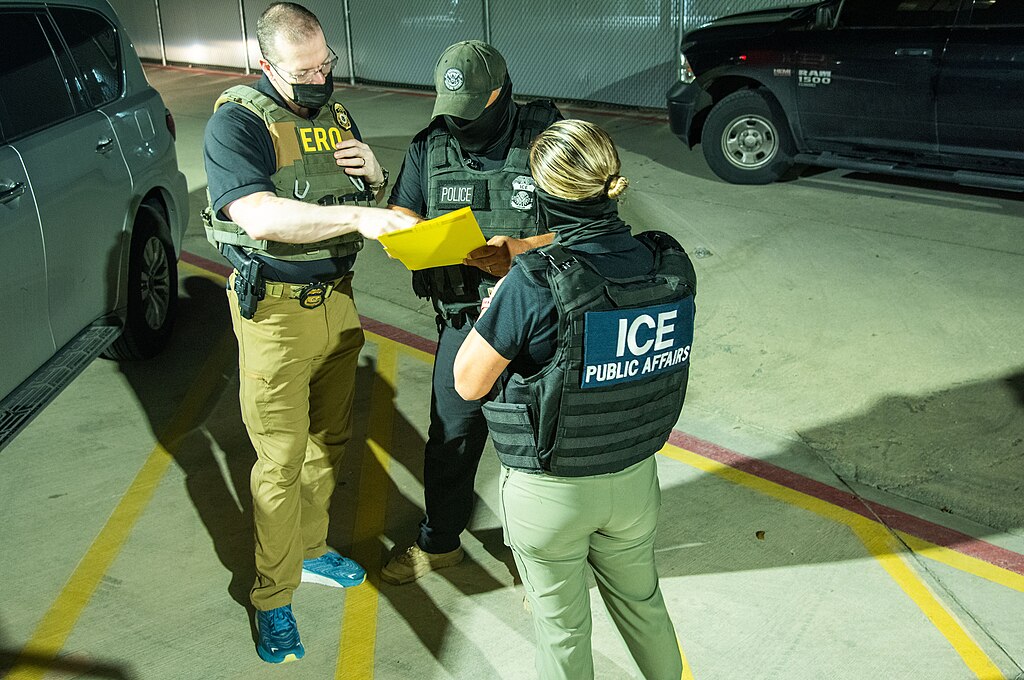
Palestinian activist Leqaa Kordia, 33, has been released from a U.S. immigration detention facility in Texas following a federal judge's ruling, marking the end of over a year in custody. Kordia, who grew up in the Israeli-occupied West Bank, walked free from the Prairieland Detention Center in Alvarado, Texas, on Monday and was reunited with her family in New Jersey.
Her release comes after Immigration Judge Tara Naselow-Nahas issued a $100,000 bond order on Friday, the third such hearing after two previous bond orders were automatically blocked by the government. The judge openly criticized the government's arguments against Kordia's release, calling them "disingenuous." While she is now free, her immigration case is still ongoing.
U.S. immigration authorities initially detained Kordia in 2025, citing an expired student visa. Her legal team, however, maintained that she was actively pursuing legal residency at the time of her arrest. Authorities also linked her detention to her participation in pro-Palestinian demonstrations at Columbia University in 2024, during a period when the Trump administration intensified efforts to deport foreign nationals involved in campus protests against Israel's military campaign in Gaza.
Kordia's release was celebrated by multiple human rights organizations and Democratic lawmakers who had campaigned on her behalf. Amnesty International reported that she lost 175 family members during Israel's ongoing war in Gaza. Her case also attracted attention after she was briefly hospitalized last month following a seizure, with supporters describing the detention conditions as inhumane.
Her case has reignited a broader national debate over civil liberties, free speech, and due process rights for immigrants and activists. Critics argue that the government has wrongly labeled pro-Palestinian advocacy as antisemitism and extremism, raising serious racial profiling and constitutional concerns. Kordia's release is widely viewed as a significant moment in that ongoing fight for immigrant and protest rights in the United States.







