


 Pezeshkian Says US Must Choose When Iran War Ends
  Iran Rejects Nuclear Concessions in Hormuz Deal
  Najib Razak Seeks Stay of 15-Year 1MDB Prison Sentence
  NATO Boosts Intelligence Sharing Amid Russia Hybrid Threats
  What ‘Taiwan Independence’ Means as Xi Presses Trump on US Policy
  US Comfortable With Canada Trade Standoff as Import Bans Loom
  North Korea Warns South Korea Over US-Led Defense Role
  Abbas Reaffirms November 28 Palestinian Elections
  Trump Warns China Against Supporting Iran in Xi Talks
  Pope Leo Backs Press Freedom After White House Media Ban
  North Korea Rejects Nuclear Test Warning, Calls Nuclear Status Irreversible
  Trump, Xi Focus on Trade and AI at White House Summit
  Colombia Extradites FARC Dissident Leader ‘Spider’ to US
  France Defends Netanyahu Airspace Clearance Despite ICC Warrant
  Putin Says Ukraine Peace Proposals Remain on Table
  Xi Calls for Deeper U.S.-China AI Cooperation in Trump Talks
  Ukrainian Drone Attacks Hit Russian Regions, Injuring at Least 12


 Add as a preferred source on Google
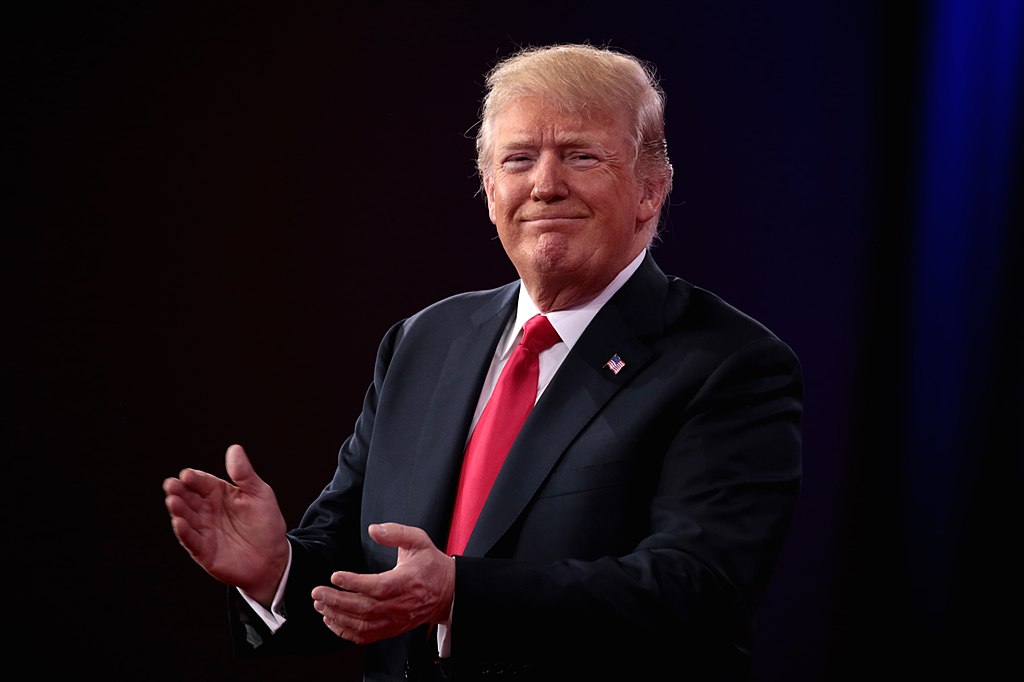
President-elect Donald Trump has announced plans to establish an official U.S. government policy recognizing only two genders: male and female. This initiative is part of a broader agenda to reverse policies supporting transgender rights and to enforce traditional gender definitions nationwide.
Proposed Legislative Measures
Trump intends to ask Congress to pass legislation that legally defines gender as strictly male or female, assigned at birth. This move aims to eliminate recognition of non-binary and transgender identities within federal policies. Additionally, Trump plans to revoke existing policies that support gender transition programs and treatments across the United States.
Impact on Transgender Rights
The proposed policy would significantly impact transgender individuals by denying federal recognition of their gender identities. This could lead to the rollback of protections in areas such as healthcare, education, and employment. Advocacy groups express concern that such measures may increase discrimination and marginalization of transgender and non-binary people.
Public Reaction and Social Media Discourse
The announcement has sparked a wide range of reactions on social media platforms. Twitter user @EqualityForAll expressed concern, stating, "Denying the existence of non-binary and transgender identities is a step backward for human rights." In contrast, @TraditionalValues supported the initiative, tweeting, "It's about time we return to recognizing biological facts in our policies."
Another user, @TransRightsMatter, noted, "This policy could lead to increased discrimination against transgender individuals in various aspects of life." Conversely, @ProtectOurChildren argued, "Protecting children from confusing gender ideologies is a necessary step."
Additionally, @HumanRightsWatch emphasized the importance of acceptance: "Transgender individuals deserve recognition and protection under the law." Meanwhile, @ConservativeVoiceUSA commented, "This is a necessary move to uphold traditional values in our society."
As Trump prepares to assume office, his commitment to establishing a binary gender policy underscores a broader agenda to restrict transgender rights in the United States. The proposed legislative measures are likely to face legal challenges and have ignited a national debate on the ethics and legality of defining gender strictly as male or female. The outcome of this initiative will have profound implications for transgender individuals, policymakers, and the ongoing discourse surrounding LGBTQ+ rights in the country.







