


 Judge Orders Trump to Restore White House Access for CNN, MS NOW and Politico
  US Officials Split Over Response to Israeli West Bank Settlements
  Trump, Xi Focus on Trade and AI at White House Summit
  US Backs Musk in Fight Against EU’s €120 Million X Fine
  Europe Warns Russia Is Escalating Hybrid Attacks Across NATO
  Trump Asks Supreme Court to Restore Third-Country Deportations
  Ghana Says Western Support Growing for Slave Trade Reparations
  North Korea Warns South Korea Over US-Led Defense Role
  US, China Extend Trade Truce to Jan. 10 Ahead of Trump-Xi Summit
  NATO Boosts Intelligence Sharing Amid Russia Hybrid Threats
  North Korea Rejects Nuclear Test Warning, Calls Nuclear Status Irreversible
  Mexico-US Trade Talks Delayed to October as Tariff Negotiations Continue
  EU Defence Build-Up Too Slow for 2030 Russia Readiness Goal
  France Defends Netanyahu Airspace Clearance Despite ICC Warrant
  US Senate Rejects Iran War Powers Resolution in 50-49 Vote
  Yemen Violence Displaces 130,000 as Civilian Toll Rises
  Netanyahu Defends Israel at UN as Delegates Stage Walkout


 Add as a preferred source on Google
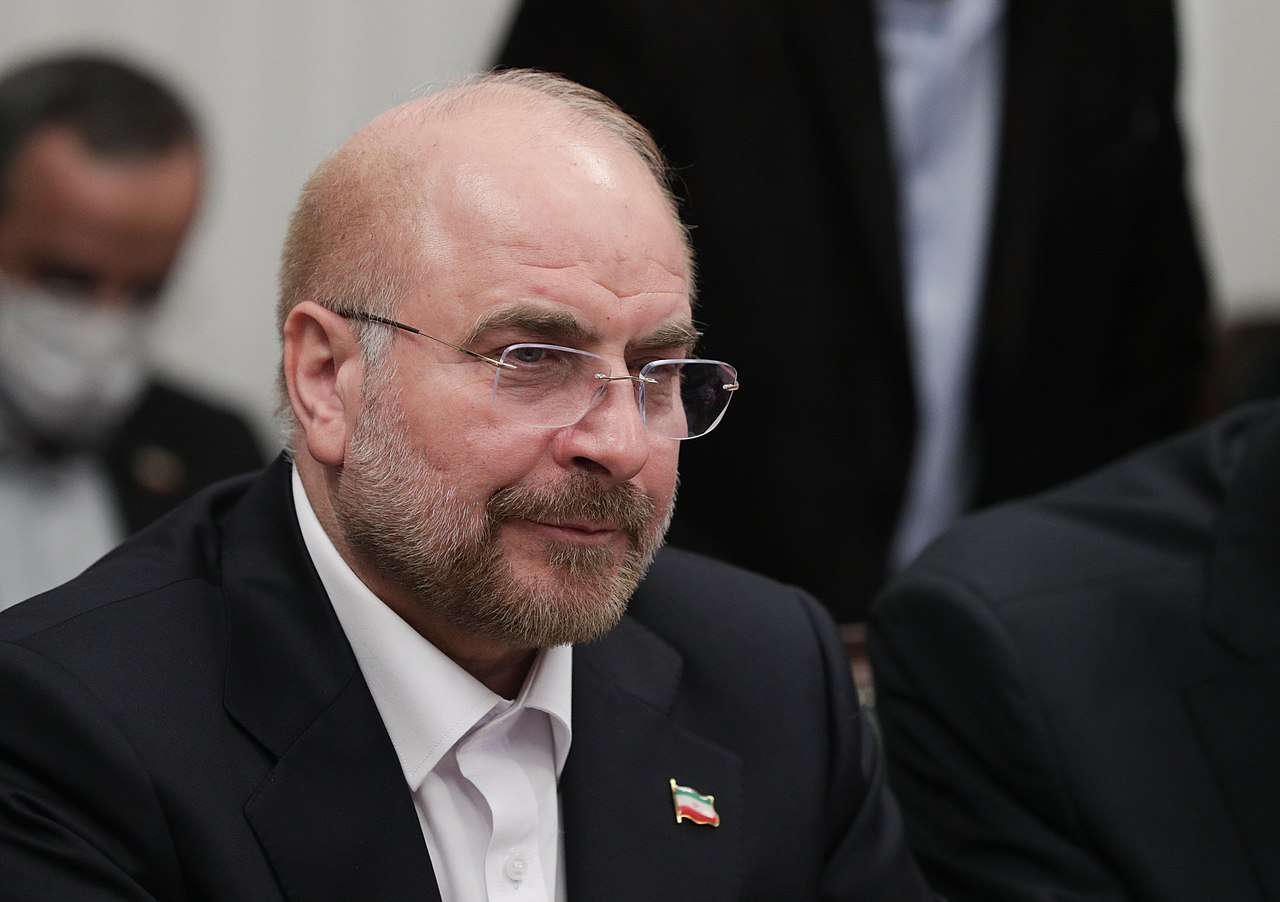
The Trump administration is quietly exploring the possibility of engaging Mohammad Bagher Ghalibaf, Iran's parliament speaker, as a viable diplomatic partner — and potentially a future leader capable of steering negotiations with Washington, according to a Politico report citing two administration officials.
Ghalibaf, a prominent figure within Iran's political establishment, is reportedly viewed by certain White House officials as someone who could realistically lead Iran and open a new chapter of dialogue with the United States. The consideration comes amid ongoing geopolitical tensions in the Middle East, where the search for credible interlocutors has become increasingly critical to shaping the region's next phase.
While the report stops short of detailing any formal outreach or official policy shift, the fact that Ghalibaf is being discussed at senior levels of the Trump administration signals a potential strategic recalibration in how Washington approaches Tehran. Rather than treating Iran's leadership as a monolithic adversary, some officials appear to be identifying figures within the system who may be more pragmatic and open to engagement.
Ghalibaf's background as a former military commander and mayor of Tehran gives him a layered profile — one that blends nationalist credibility with administrative experience. These qualities may be precisely what makes him appealing to U.S. officials looking for a counterpart who holds influence domestically while remaining open to external negotiations.
This development reflects the broader complexity of U.S.-Iran relations, where back-channel assessments and quiet deliberations often precede any visible diplomatic movement. As the geopolitical landscape in the Middle East continues to evolve, the question of who leads Iran — and who Washington is willing to work with — will remain central to any lasting resolution in the region.







