


 US Backs Musk in Fight Against EU’s €120 Million X Fine
  Netanyahu Defends Israel at UN as Delegates Stage Walkout
  NATO Boosts Intelligence Sharing Amid Russia Hybrid Threats
  Yemen Violence Displaces 130,000 as Civilian Toll Rises
  Mexico-US Trade Talks Delayed to October as Tariff Negotiations Continue
  Trump Asks Supreme Court to Restore Third-Country Deportations
  Trump, Xi Focus on Trade and AI at White House Summit
  France Defends Netanyahu Airspace Clearance Despite ICC Warrant
  Europe Warns Russia Is Escalating Hybrid Attacks Across NATO
  South Korea, US Discuss Warship Building Cooperation
  Taiwan Thanks US for Support Ahead of Trump-Xi Summit
  North Korea Rejects Nuclear Test Warning, Calls Nuclear Status Irreversible
  Sudan Rejects US Legitimacy Remarks, Defends Sovereignty
  Netanyahu’s Brief US Trip Highlights Strains With Trump
  Russian Envoy Dmitriev Heads to US for Ukraine Talks
  Judge Orders Trump to Restore White House Access for CNN, MS NOW and Politico
  Kremlin Says No Decision Yet on Putin-Trump December Summit


 Add as a preferred source on Google
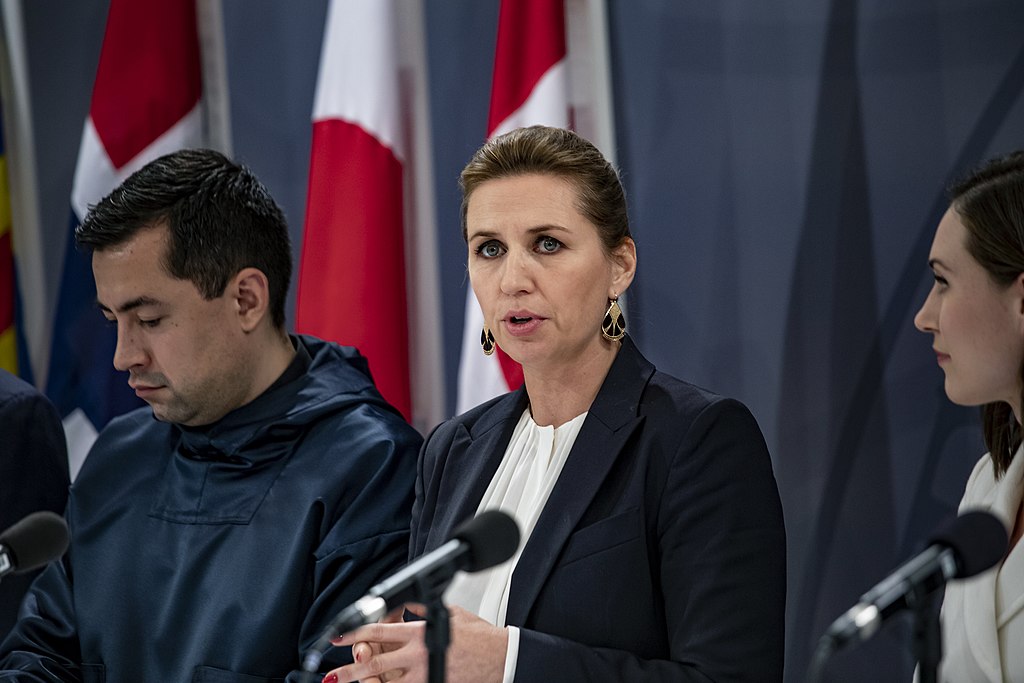
Danish Prime Minister Mette Frederiksen's Social Democrats faced their worst electoral performance in more than a century following Tuesday's national vote, with the party projected to win only 38 parliamentary seats — a sharp drop from the 50 seats secured in the previous election. Despite widespread admiration for Frederiksen's firm stance against U.S. President Donald Trump's territorial ambitions over Greenland, domestic concerns proved far more decisive for Danish voters.
The 48-year-old prime minister, who has governed since 2019, entered the campaign emphasizing her foreign policy credentials and crisis management experience. However, rising living costs and a polarizing immigration policy ultimately overshadowed her international reputation. Voter frustration mounted on both ends of the political spectrum — left-leaning citizens viewed her migration policies as excessively harsh, while conservative voters questioned her reliability on economic matters.
Despite the setback, Frederiksen's left-wing coalition bloc was still projected to secure 84 seats in the 179-seat Folketing, compared to 77 for right-leaning parties, leaving coalition negotiations possible but complicated. "I'm ready to take on the responsibility," she told supporters. "It will be difficult."
One of the night's most notable developments was the dramatic resurgence of the anti-immigration Danish People's Party, which tripled its support to 9.1 percent. Party leader Morten Messerschmidt campaigned on zero net Muslim migration and abolishing petrol taxes to ease financial pressures on households.
The centrist Moderates party, led by former Prime Minister Lars Løkke Rasmussen, emerged as a potential kingmaker in coalition talks, though he called on Frederiksen to abandon her proposed wealth tax. Meanwhile, Liberal Party leader Troels Lund Poulsen declared he had no interest in governing alongside Frederiksen, further complicating her path to a third term.
The election outcome was also closely monitored in Greenland, where leaders hope the political shift in Copenhagen may open new opportunities for greater autonomy.







