


 Yemen Violence Displaces 130,000 as Civilian Toll Rises
  Honduras Court Drops Charges Against Ex-President Juan Orlando Hernandez
  3 clinical-grade skincare creams you really shouldn’t buy online
  Netanyahu’s Brief US Trip Highlights Strains With Trump
  Maduro Seeks Dismissal of US Drug Trafficking Charges
  France Defends Netanyahu Airspace Clearance Despite ICC Warrant
  Taiwan Thanks US for Support Ahead of Trump-Xi Summit
  SEC Seeks ISS Client Voting Records in Proxy Adviser Probe
  South Korea, US Discuss Warship Building Cooperation
  FDA Investigates New Cyclospora Outbreak as U.S. Cases Continue to Rise
  Appeals Court Rejects Trump Third-Country Deportation Policy
  Novartis M&A Strategy Faces Investor Scrutiny After Drug Setbacks
  New Mexico Measles Outbreak Cost Reached $5.4 Million, Study Finds
  Mahmoud Khalil Sues Columbia Over Alleged Pro-Palestinian Harassment
  Hims & Hers Shares Fall as GLP-1 Costs Widen Q2 Loss
  France Keeps Top Health Alert as Officials Brace for Another Heatwave
  Novo Nordisk Eyes Turnaround as Oral Wegovy Challenges Eli Lilly in Weight-Loss Drug Race


 Add as a preferred source on Google
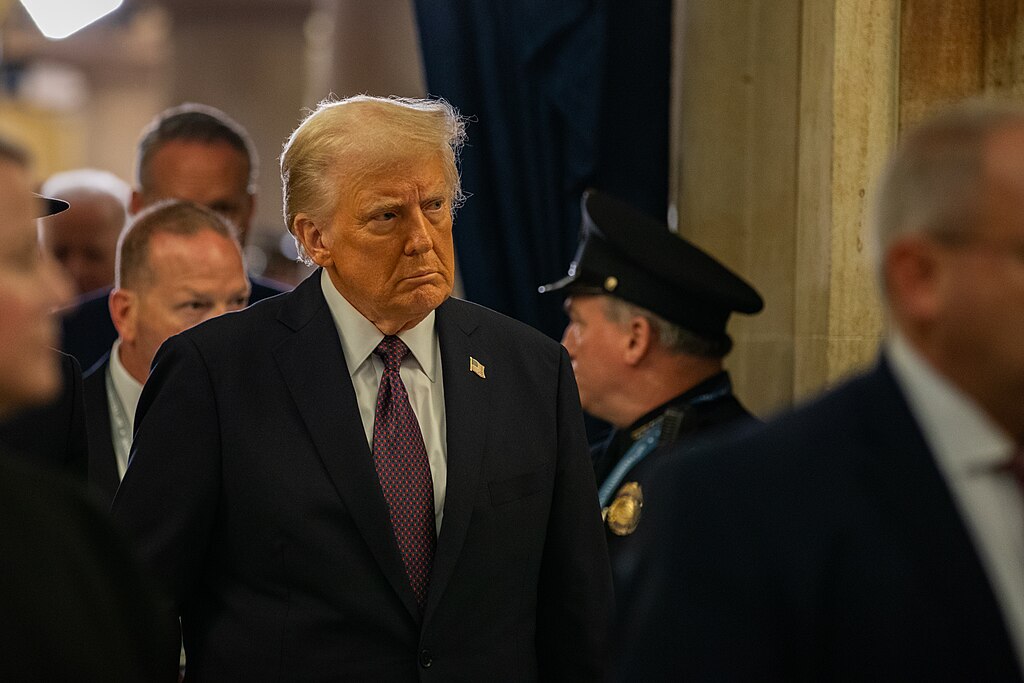
President Donald Trump’s freeze on U.S. foreign aid has temporarily suspended key anti-narcotics programs in Mexico, impacting efforts to curb the flow of fentanyl into the U.S. The freeze affects all programs under the State Department’s Bureau of International Narcotics and Law Enforcement (INL), which trains Mexican authorities to dismantle clandestine fentanyl labs and intercept precursor chemicals.
INL initiatives, including drug-detecting canines that helped seize millions of fentanyl pills in 2023, have been put on hold. Former State Department official Dafna H. Rand criticized the freeze, stating it weakens the U.S.'s ability to combat the fentanyl crisis, which has claimed over 450,000 American lives in the past decade.
The freeze follows Trump’s "America First" policy, halting billions in foreign assistance worldwide. Despite Secretary of State Marco Rubio issuing waivers for humanitarian aid, most programs remain in limbo. Some officials suggest exemptions for foreign anti-narcotics programs are being considered, though no decision has been made on INL’s Mexico projects.
Trump has pledged to destroy Mexican cartels and threatened 25% tariffs on Mexico if it fails to curb fentanyl trafficking and illegal immigration. He has also pushed for designating cartels as terrorist organizations, expanding U.S. authority to target them. U.S. military surveillance of Mexican cartels has increased, raising concerns that Trump’s approach is shifting from cooperation with Mexico to unilateral action.
During his campaign, Trump called for military operations against cartels, signaling a tougher stance. While the administration’s next steps remain uncertain, the suspension of INL programs has stalled critical efforts to combat fentanyl at its source, complicating U.S.-Mexico cooperation on drug enforcement.







