


 Scott Bessent Eyed as Trump’s New AI Czar
  US Immigration Arrests Surge as Deportations Lag Behind
  Zelenskiy Meets CIA Chief John Ratcliffe at Ireland’s Shannon Airport
  Trump Meets Venezuela’s Delcy Rodriguez at UN Assembly
  fnny Beta Launches With a Simple Idea: Find an Event, Show Up, Get Rewarded
  Macron Challenges Trump’s Gaza Peace Claims at UN
  CNN, MS NOW and Politico Sue Trump Over White House Media Ban
  Canada Unveils Bill to Fast-Track Major Resource Projects
  US Plans Two New Military Bases in Greenland Under Arctic Deal
  US Bans Canadian Alcohol, Motorcycles as Trade War Escalates
  China Tightens Fentanyl Rules Ahead of Trump-Xi Summit
  Gold Prices Hold Steady Ahead of Trump-Xi Summit, Middle East Risks
  FxWirePro- Crypto Weekly Alpha: ETF Rebounds, L2 Rallies & Key Resistance Levels
  U.S. Dollar Hits Eight-Week High After Fed Rate Hike


 Add as a preferred source on Google
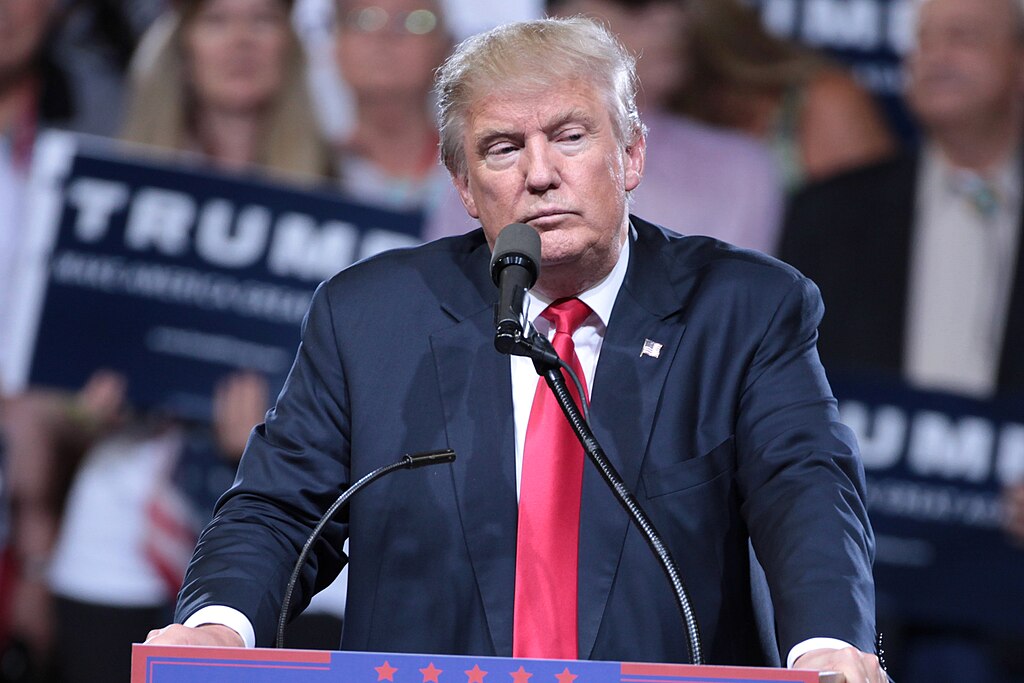
President Trump’s May 12 executive order on drug pricing seeks to implement most-favored-nation (MFN) pricing, pressuring pharmaceutical companies to match the lowest prices charged abroad. The order instructs the Secretary of Health and Human Services (HHS) to engage with drugmakers and, if necessary, propose regulations enforcing MFN benchmarks.
Barclays analysts say the strategy leans on coercing manufacturers to reduce prices. However, they caution the policy could face significant legal and implementation challenges that may weaken its overall impact. Even if manufacturers cut prices, consumers may not see direct savings due to the complex pharmaceutical pricing system involving intermediaries like pharmacy benefit managers, insurers, and pharmacies who could retain the cost reductions.
The order also asks HHS to explore a direct-to-consumer drug purchasing program. Meanwhile, proposed pharmaceutical tariffs could raise import costs, possibly offsetting price cuts and undermining cost-saving efforts.
On inflation, Barclays estimates a 10% drop in consumer drug prices would reduce the year-over-year Consumer Price Index (CPI) by 9 basis points and the Personal Consumption Expenditures (PCE) index by 28 basis points. Yet, the bank notes potential “counter-intuitive” effects, such as increased costs in health insurance, that could raise inflation in other categories.
Despite recent Medicare Part D negotiations securing discounts of 38% to 79% on ten drugs, actual government savings are estimated at just $1.5 to $1.8 billion—far below the $6 billion initially projected.
As the administration pushes for drug pricing reform, experts remain skeptical about the order’s effectiveness, given industry resistance, legal complexity, and the uncertain benefit to consumers at the pharmacy counter.







