


 Taiwan Vows to Advance US Arms Sales Ahead of Trump-Xi Meeting
  Oil Prices Rise as U.S.-Iran Talks Fuel Diplomacy Hopes
  Trump Meets Venezuela’s Delcy Rodriguez at UN Assembly
  Iran Vows ‘Crushing’ Response as US Talks Continue
  Carney Condemns Belleville Synagogue Shooting That Wounded Police Officer
  Asian Stocks Mixed Ahead of Trump-Xi Meeting
  European Stocks Slip as Iran Tensions Offset Strong Eurozone Data
  Europe Jet Fuel Deficit Drives South Korean Imports to Four-Year High
  Kremlin Says No Grounds Yet for Ukraine Peace Talks
  Asia Stocks Rise on AI Demand as Oil Eases
  Asian Currencies Muted as Dollar Firms Ahead of Trump-Xi Summit
  Yen in Focus as BOJ, Fed Rate Hikes Reshape Currency Markets
  Trump to Press Xi on Release of US Nuclear Expert Held in China
  Russian Strikes Kill Eight Across Ukraine as Energy Sites Hit
  Vietnam, US Trade Deal Could Be Signed Soon, To Lam Says
  Marco Rubio to Meet Russia’s Lavrov in New York


 Add as a preferred source on Google
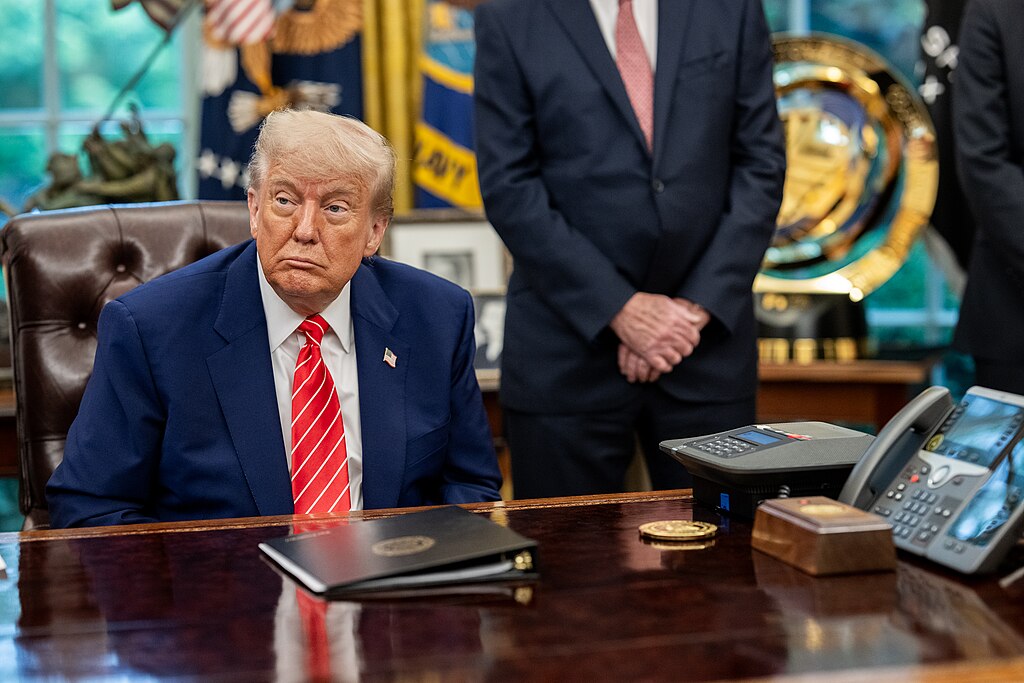
U.S. President Donald Trump and Iranian President Masoud Pezeshkian have reportedly signed a memorandum of understanding (MoU) aimed at reducing tensions between Washington and Tehran, according to multiple media reports. The agreement was announced during Trump’s state visit to France and is being viewed as a significant step toward a broader U.S.-Iran peace deal.
Speaking to reporters as he departed the Palace of Versailles on Wednesday, Trump confirmed that the document had been signed, stating that the agreement was finalized in Versailles. Reports from the BBC and CBS indicated that President Pezeshkian also signed the MoU remotely, marking a rare diplomatic breakthrough between the two countries.
The framework agreement outlines several key commitments, including Iran’s pledge not to develop nuclear weapons, the reopening of the strategically important Strait of Hormuz, and the removal of U.S. sanctions on Iran. The deal also calls for an immediate halt to hostilities across the region, including conflicts involving Lebanon.
One of the most notable elements of the agreement is the creation of a proposed $300 billion reconstruction fund for Iran. While details regarding the structure and funding of the initiative remain unclear, the announcement has drawn significant international attention.
Despite the positive development, both sides emphasized that the memorandum is not a final peace agreement. Trump warned that the United States could resume military action if Iran fails to meet its obligations under the deal. Iranian officials issued similar statements, stressing that continued regional aggression, particularly involving Israel and Lebanon, could jeopardize the agreement.
The U.S. and Iran are expected to continue negotiations over the next two months, with Iran’s nuclear program remaining a central issue. An official signing ceremony had been scheduled in Switzerland on Friday, although it remains uncertain whether the event will proceed as planned.
The agreement comes after months of escalating conflict between the United States and Iran. Military tensions intensified earlier this year, with both sides accusing one another of violating ceasefire arrangements. Global markets, including the S&P 500, oil prices, and the U.S. dollar, continue to monitor developments closely as investors assess the potential impact of a lasting diplomatic resolution in the Middle East.







