


 European Stocks Fall as Bond Yields and Geopolitical Risks Weigh
  Asian Stocks Fall as Bond Yields Surge Ahead of Trump-Xi Summit
  Australia Unemployment Hits Five-Year High Despite Strong Jobs Growth
  U.S. Dollar Hits Two-Month High as Oil, Treasury Yields Surge
  Asian Currencies Mixed as Dollar Holds Near Two-Month High
  Mexico-US Trade Talks Delayed to October as Tariff Negotiations Continue
  European Stocks Slip as Iran Tensions Offset Strong Eurozone Data
  US Dollar Hits Two-Month High as Fed Rate Hike Bets Rise
  China’s ‘Lipstick King’ Says AI Won’t Replace Livestream Hosts
  U.S. 10-Year Treasury Yield Hits 2007 High as Fed Rate Hike Bets Rise
  Japan Private-Sector Growth Slows as Domestic Demand Weakens
  US 10-Year Treasury Yield at 6% Emerges as New Market Risk Threshold
  Russian Envoy Dmitriev Heads to US for Ukraine Talks
  Fed Unveils Stablecoin Rules Under GENIUS Act
  Fed Unveils Stablecoin Rules Under GENIUS Act
  Wall Street Falls as Treasury Yields Surge, Oil Rebounds on Iran Tensions
  US, China Extend Trade Truce to Jan. 10 Ahead of Trump-Xi Summit


 Add as a preferred source on Google
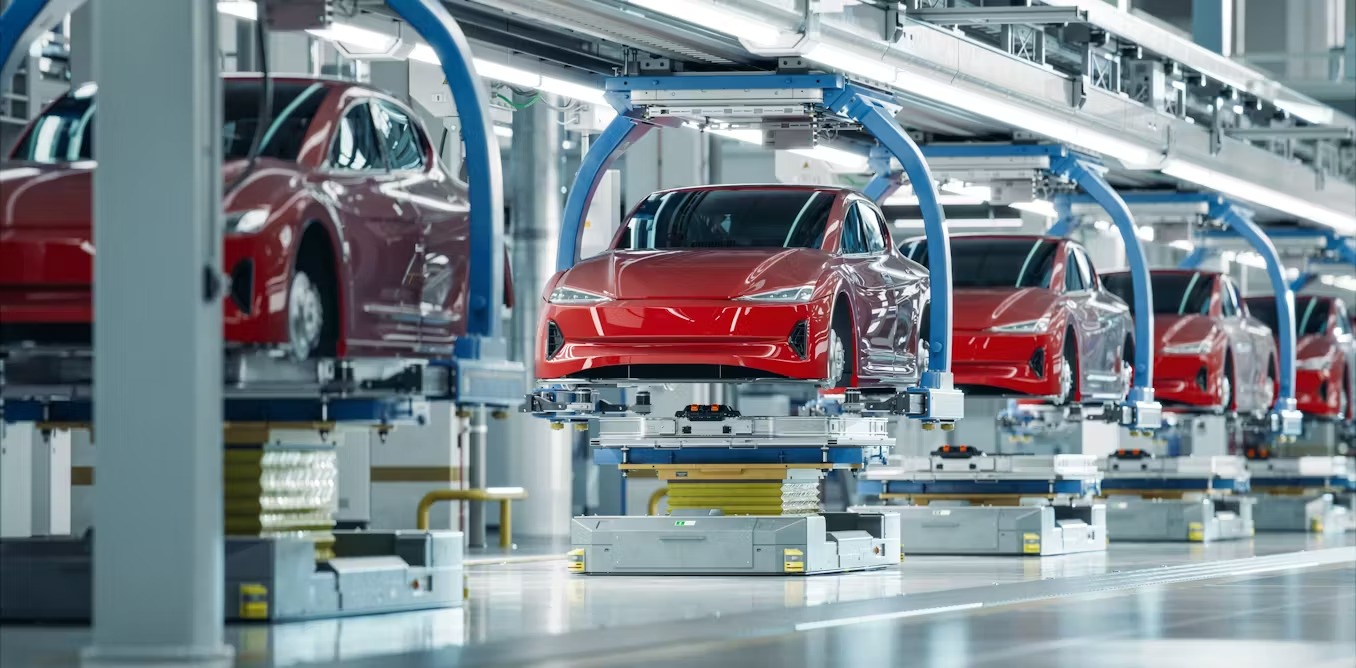
Germany’s automotive suppliers are becoming increasingly pessimistic about the industry's outlook, with more companies expecting business conditions to worsen over the next 12 months than those anticipating improvement. A recent survey conducted by the German Association of the Automotive Industry (VDA) highlights growing concerns over economic challenges, declining domestic investment, and ongoing workforce reductions.
The survey, conducted between May 12 and May 24 among 116 automotive suppliers, revealed that nearly one-third of respondents expect business conditions to deteriorate during the coming year. In comparison, only 25% believe the situation will improve. The findings mark a significant shift from the VDA’s January survey, when 30% expected better conditions and only 23% predicted a downturn.
Germany’s automotive sector continues to face pressure from its transition to electric vehicles (EVs), a transformation that industry experts warn could put up to 225,000 jobs at risk in the years ahead. Suppliers are also grappling with rising operational costs, global trade barriers, and weakening competitiveness.
Investment trends paint a similarly concerning picture. Approximately two-thirds of surveyed suppliers reported plans to either postpone, relocate, or completely cancel investments originally intended for Germany. According to the VDA, Asia has emerged as the leading destination for redirected automotive investment, followed by other European Union countries and North America.
Employment figures further underscore the challenges facing the sector. More than half of automotive suppliers said they are reducing their workforce in Germany, while only 3% reported plans to hire domestically—the lowest hiring rate recorded since the VDA began tracking comparable data in June 2024. Among companies cutting jobs in Germany, 44% indicated they were simultaneously expanding hiring efforts abroad.
VDA President Hildegard Mueller said the survey results reflect Germany’s growing difficulties as an industrial location. The association pointed to excessive bureaucracy, high labor costs, and rigid labor regulations as key obstacles for small and medium-sized automotive businesses.
Geopolitical tensions are also adding pressure. Nearly half of respondents reported that the ongoing Middle East conflict has increased costs across their supply chains, particularly through higher fuel, energy, and component prices.
The latest findings suggest Germany’s automotive industry faces mounting challenges as companies increasingly look beyond the country for growth, investment opportunities, and workforce expansion.







