


 Trump Meets Venezuela’s Delcy Rodriguez at UN Assembly
  Carney Condemns Belleville Synagogue Shooting That Wounded Police Officer
  Trump Administration Prepares Sanctions Against Entire ICC
  Trump Scales Back Endangered Species Act Protections
  Lula and Flavio Bolsonaro Tied in Brazil Runoff Poll
  US Plans Two New Military Bases in Greenland Under Arctic Deal
  Kremlin Says No Grounds Yet for Ukraine Peace Talks
  Trump to Press Xi on Release of US Nuclear Expert Held in China
  Canada Unveils Bill to Fast-Track Major Resource Projects
  Zelenskiy Meets CIA Chief John Ratcliffe at Ireland’s Shannon Airport
  Trump Board of Peace Unveils $2.45 Billion Gaza Recovery Plan
  Taiwan Vows to Advance US Arms Sales Ahead of Trump-Xi Meeting
  Macron, Trump Discuss Ukraine-Russia Energy Strike Moratorium
  Trump Says U.S.-Iran Peace Deal Near After UN Talks
  Paramount-Warner Bros $110 Billion Deal Draws Antitrust Backlash
  US, Japan and South Korea Back Taiwan Ahead of Trump-Xi Summit
  Burnham Eyes UK Leadership Role in AI Ahead of Trump Meeting


 Add as a preferred source on Google
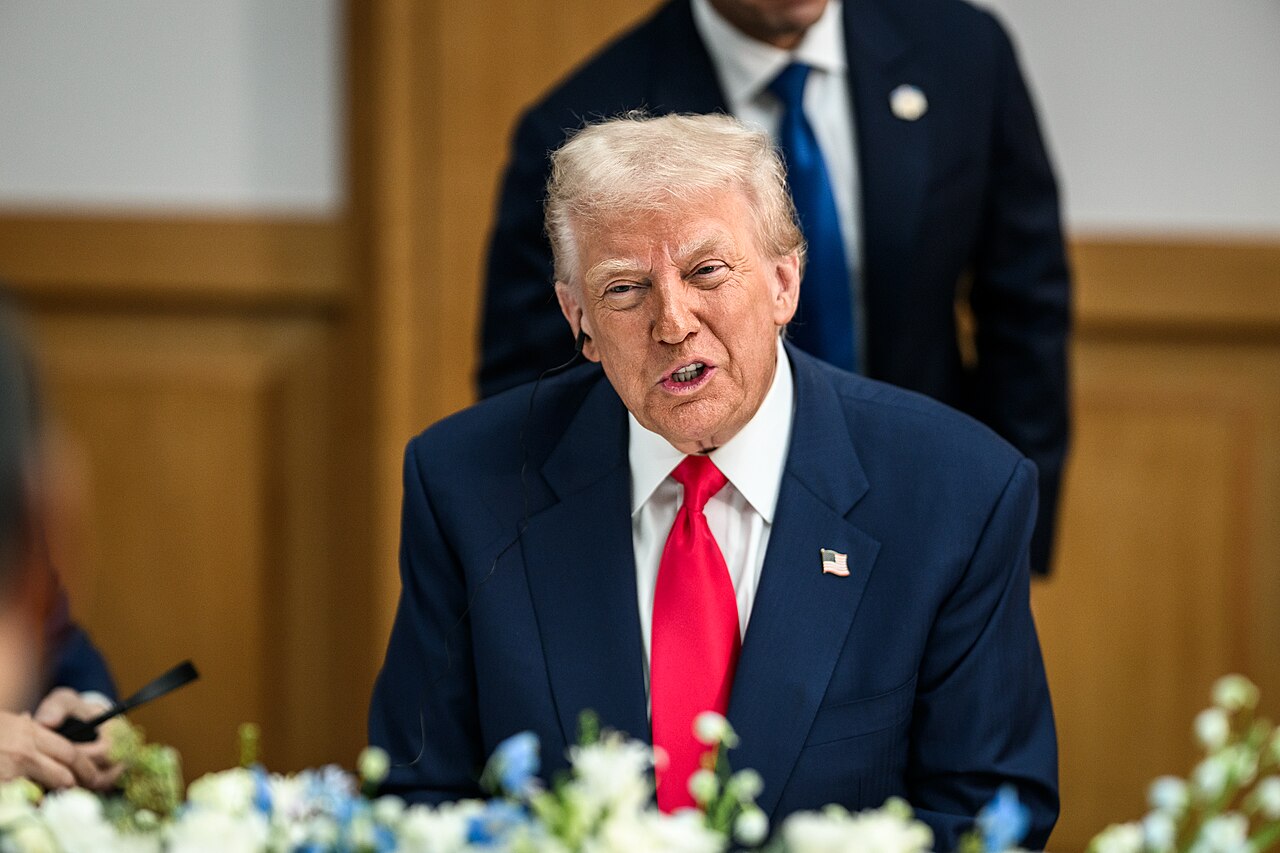
U.S. President Donald Trump has invoked the Defense Production Act (DPA) to address growing challenges in the country's weapons manufacturing sector, according to a memorandum released on Tuesday. The move aims to strengthen the U.S. defense industrial base amid increasing concerns over production capacity, supply chain vulnerabilities, and delays affecting critical military systems.
In the memorandum dated June 11 and directed to the Department of Defense, Trump stated that current conditions could pose a direct threat to U.S. national security and military preparedness. He highlighted several issues impacting the defense sector, including limited production capabilities, fragile supply chains, long-lead dependencies, and manufacturing bottlenecks that are slowing weapons development and delivery.
Among the most constrained components are solid rocket motors, igniters, and guidance systems. These technologies play a vital role in both existing weapons platforms and future military modernization programs. Industry experts and policymakers have increasingly warned that U.S. defense contractors may struggle to meet rising demand for advanced munitions and missile systems without significant investment and coordination.
Under the authority granted by the Defense Production Act, the defense secretary can pursue voluntary agreements with private-sector companies to expand manufacturing capacity and improve supply chain resilience. The law allows the federal government to work directly with businesses and industry leaders to support national defense priorities when critical threats or shortages emerge.
The administration’s decision reflects broader concerns in Washington about the readiness of the U.S. defense industry to support military requirements in an increasingly complex global security environment. Strengthening domestic weapons production and securing essential defense supply chains have become key priorities as demand for munitions, missile components, and advanced military technologies continues to grow.
The Defense Production Act has historically been used during national emergencies and strategic challenges to accelerate industrial production. Trump’s latest action signals a renewed focus on ensuring that the United States maintains sufficient defense manufacturing capacity to support both current military operations and future modernization efforts.







