


 Fed Rate Hike Threatens Housing as U.S. Growth Leans on AI, Citi Says
  Michelle Bachelet Withdraws From UN Secretary-General Race
  Gold Prices Hold Steady Ahead of Trump-Xi Summit, Middle East Risks
  FDA Names Permanent Drug and Biologics Center Chiefs
  U.S. Stock Futures Rise Ahead of Trump-Xi Summit, Middle East Risks Weigh
  Russian Drone Attacks Kill Four in Kyiv Region, Including Three Children
  Canada Eyes India Trade Deal by Year-End
  Oil Prices Tumble on U.S.-Iran Diplomacy Hopes, Supply Relief
  Trump Scales Back Endangered Species Act Protections
  Asia Stocks Rise on AI Demand as Oil Eases
  Zelenskiy Meets CIA Chief John Ratcliffe at Ireland’s Shannon Airport
  Diana’s Brother Backs Security for Harry and Meghan
  United Russia Leads Russia Election as Ukraine Drones Hit Moscow
  Trump Bans CNN, MS NOW and Politico From White House
  Trump Sets High-Stakes UN Meetings With Zelenskiy, Gulf Leaders
  US Plans Two New Military Bases in Greenland Under Arctic Deal


 Add as a preferred source on Google
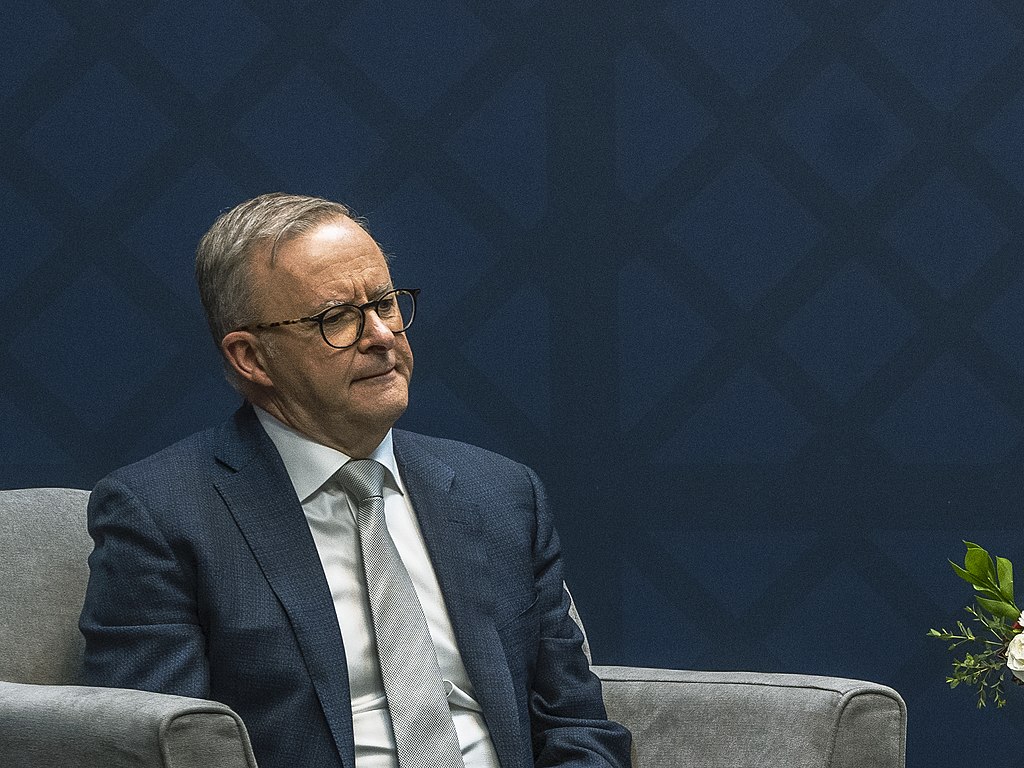
The Australian government has announced significant changes to its planned capital gains tax (CGT) reforms following widespread concerns from industry groups and business leaders that the original proposal could hinder investment and growth among small businesses.
Under the tax reforms outlined in the federal budget last month, Australia plans to introduce a 30% minimum tax on net capital gains starting in July 2027. The proposal sparked criticism from business organizations, which argued that the measure could discourage entrepreneurs and investors from expanding their operations and taking financial risks.
In response to the feedback, Prime Minister Anthony Albanese revealed that the government will increase the eligibility threshold for small business capital gains tax concessions. The annual turnover limit will rise from A$2 million to A$10 million, allowing a significantly larger number of businesses to qualify for the existing CGT discount.
The concession enables eligible businesses to receive a 50% discount on capital gains tax for assets held for more than 12 months. By expanding access to the tax relief, the government aims to preserve incentives for long-term investment and business development across Australia.
“We back Australian small businesses and the important role that they play in Australia,” Albanese said while announcing the policy adjustment.
According to the prime minister, approximately 2.7 million active small businesses nationwide will now be eligible for the capital gains tax discount under the revised rules. The government believes the change will provide greater certainty for business owners while encouraging economic growth and job creation.
In addition to the updated CGT measures, the government plans to introduce a new innovative business tax concession designed specifically for startups. The initiative is expected to support entrepreneurship, attract investment, and strengthen Australia’s innovation ecosystem.
The revised capital gains tax policy reflects the government’s effort to balance tax reform objectives with the needs of small businesses, investors, and emerging companies, ensuring that Australia remains an attractive environment for business growth and innovation.







