


 Yemen Violence Displaces 130,000 as Civilian Toll Rises
  Ukrainian Drone Attacks Hit Russian Regions, Injuring at Least 12
  UK PM Burnham to Unveil Economic Vision at Labour Conference
  Abbas Reaffirms November 28 Palestinian Elections
  US Comfortable With Canada Trade Standoff as Import Bans Loom
  China Agrees to Buy 20 Million Tons of U.S. Coal
  What ‘Taiwan Independence’ Means as Xi Presses Trump on US Policy
  Colombia Extradites FARC Dissident Leader ‘Spider’ to US
  Taiwan Says U.S. Arms Sales Protect Chip Supply
  Putin Says Ukraine Peace Proposals Remain on Table
  Najib Razak Seeks Stay of 15-Year 1MDB Prison Sentence
  Xi Calls for Deeper U.S.-China AI Cooperation in Trump Talks
  US Supreme Court Revives Trump Administration Voter Citizenship Database
  Pope Leo Warns UN, Multilateral Groups Face Crisis
  Iran Rejects Nuclear Concessions in Hormuz Deal
  Trump, Xi Visit US National Archives After White House Summit


 Add as a preferred source on Google
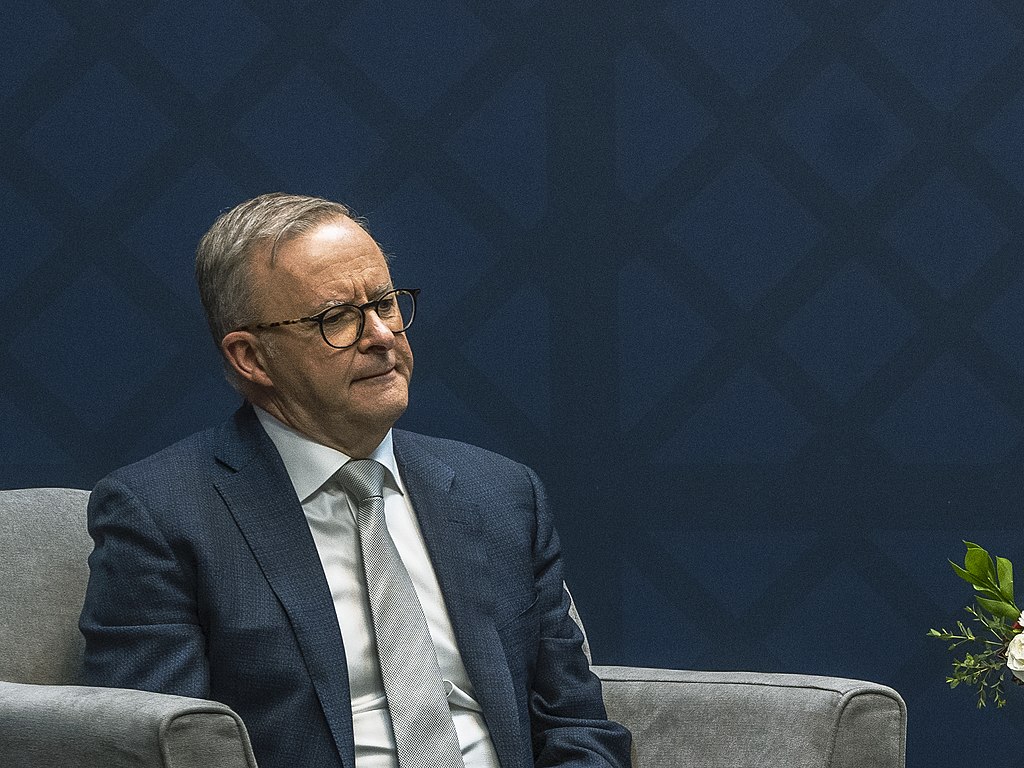
U.S. President Donald Trump and Australian Prime Minister Anthony Albanese will hold their first official meeting on October 20 in Washington, marking a pivotal moment in U.S.-Australia relations. The talks come at a crucial time, as the two allies address the future of the AUKUS defense pact—a multi-billion-dollar agreement with the U.S. and U.K. to equip Australia with nuclear-powered submarines to counter China’s growing influence in the Indo-Pacific. The AUKUS deal is currently under Pentagon review led by U.S. Under Secretary of Defense Elbridge Colby, a critic who previously argued that U.S. submarine production is already under strain.
Albanese confirmed the White House meeting while in New York attending the United Nations General Assembly. During his visit, he has advanced key priorities including recognizing Palestinian statehood, advocating a ban on social media for children, and rallying support for Australia’s joint bid with Pacific nations to host the COP31 climate summit despite pushback from Turkiye.
The upcoming Washington visit follows political criticism in Australia over Albanese’s delay in meeting Trump, especially after a planned meeting during the G7 summit in Canada was canceled when Trump left early. Despite this, Albanese emphasized that U.S.-Australia ties remain strong, describing the relationship as “great partners” and predicting a “very constructive” dialogue.
Australia has already invested about $1 billion toward expanding U.S. submarine shipyards and, earlier this month, committed an additional A$12 billion ($8 billion) to upgrade facilities in Western Australia for AUKUS submarine maintenance. Officials in Washington have stressed that the review aims to ensure the pact fully benefits U.S. strategic and industrial interests, while Australia continues to voice confidence in the project’s future.
The October meeting is expected to solidify defense cooperation, address regional security challenges, and reaffirm the enduring alliance between Washington and Canberra at a time of shifting global power dynamics.







