


 Mexico-US Trade Talks Delayed to October as Tariff Negotiations Continue
  Soybean Futures Slip as Traders Await Trump-Xi Trade Signals
  Kremlin Says No Decision Yet on Putin-Trump December Summit
  US 10-Year Treasury Yield at 6% Emerges as New Market Risk Threshold
  US Senate Rejects Iran War Powers Resolution in 50-49 Vote
  Trump Administration Plans Faster FDA Reviews for Smoke-Free Nicotine Products
  South Korea, US Discuss Warship Building Cooperation
  Abbas Reaffirms November 28 Palestinian Elections
  Oil Prices Jump 3% as Houthi Attack Revives Supply Fears
  Judge Orders Trump to Restore White House Access for CNN, MS NOW and Politico
  Japan Private-Sector Growth Slows as Domestic Demand Weakens
  Trump, Xi Focus on Trade and AI at White House Summit
  Europe Warns Russia Is Escalating Hybrid Attacks Across NATO
  Taiwan Thanks US for Support Ahead of Trump-Xi Summit
  Asian Stocks Fall as Bond Yields Surge Ahead of Trump-Xi Summit
  China’s ‘Lipstick King’ Says AI Won’t Replace Livestream Hosts


 Add as a preferred source on Google
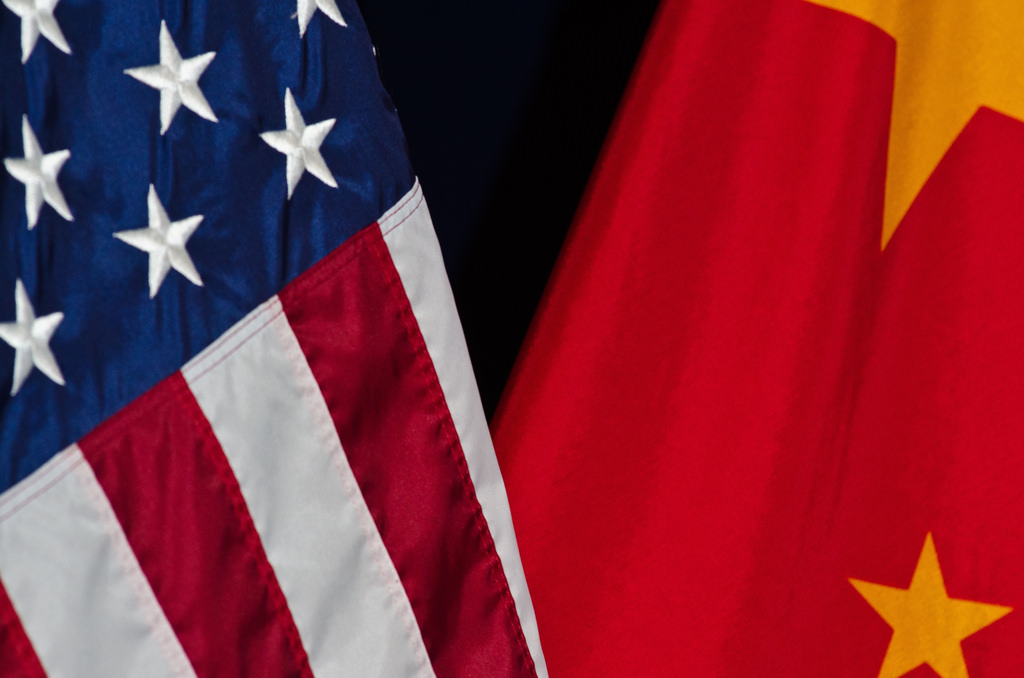
U.S. President Donald Trump is heading to China for a high-stakes summit with Chinese President Xi Jinping, but analysts believe the meeting reflects a weaker negotiating position for Washington after months of political and economic setbacks. The talks, scheduled for May 14-15 in Beijing, are expected to focus on easing trade tensions, discussing Taiwan, and seeking China’s assistance in resolving the ongoing Iran conflict.
Trump previously claimed aggressive tariffs would pressure China into major concessions, but recent court rulings and global economic challenges have limited his leverage. Experts now say the United States needs stability with China more than Beijing needs Washington. The meeting comes after the two leaders paused a damaging trade war in late 2025, when China eased restrictions on rare earth exports and the U.S. suspended steep tariffs on Chinese imports.
Despite the grand setting in Beijing, expectations for major breakthroughs remain low. Reports suggest the summit may only produce limited agreements involving U.S. agricultural exports, Boeing aircraft sales, and mechanisms for managing future trade disputes. Trump will also raise concerns over Taiwan, imprisoned Hong Kong media figure Jimmy Lai, and detained American citizens in China.
China, meanwhile, has strengthened its economic influence by tightening control over rare earth supplies and introducing measures against companies shifting supply chains away from the country. Beijing is also expected to push the U.S. to soften its stance on Taiwan and reduce technology export restrictions targeting Chinese chipmakers.
Political analysts describe the upcoming summit as more of a temporary pause in tensions than a lasting resolution. While Trump may present continued dialogue as a diplomatic success ahead of U.S. midterm elections, many experts believe China currently holds the stronger position in negotiations.







