


 Trump, Xi Focus on Trade and AI at White House Summit
  Oil Prices Jump 3% as Houthi Attack Revives Supply Fears
  US Stock Futures Rise as Meta Muse Fuels AI Rally
  US Senate Rejects Iran War Powers Resolution in 50-49 Vote
  EU Defence Build-Up Too Slow for 2030 Russia Readiness Goal
  South Korea, US Discuss Warship Building Cooperation
  European Stocks Fall as Bond Yields and Geopolitical Risks Weigh
  Oil Prices Ease as Iran Tensions Clash With Diplomacy Hopes
  Russian Missile and Drone Attack on Kyiv Kills Two, Damages Maternity Hospital
  NATO Boosts Intelligence Sharing Amid Russia Hybrid Threats
  US, China Extend Trade Truce to Jan. 10 Ahead of Trump-Xi Summit
  Ghana Says Western Support Growing for Slave Trade Reparations
  Fed Unveils Stablecoin Rules Under GENIUS Act
  European Stocks Slip as Iran Tensions Offset Strong Eurozone Data
  China’s ‘Lipstick King’ Says AI Won’t Replace Livestream Hosts
  Taiwan Thanks US for Support Ahead of Trump-Xi Summit
  Mexico-US Trade Talks Delayed to October as Tariff Negotiations Continue


 Add as a preferred source on Google
U.S. President Donald Trump has intensified pressure on Iran, urging its leadership to “get smart soon” and agree to a deal as tensions remain high following weeks of stalled negotiations. In a recent Truth Social post, Trump criticized Tehran’s inability to finalize a “non-nuclear deal” and reiterated his firm stance that Iran must not possess nuclear weapons.
The latest developments come as reports suggest the United States is preparing to extend its blockade of Iranian ports, a move aimed at weakening Iran’s economy and forcing compliance. According to U.S. officials cited by The Wall Street Journal, Trump has chosen to escalate economic pressure rather than pursue riskier options such as renewed military strikes or disengagement from the conflict.
Iran, however, continues to resist U.S. demands. Tehran insists on recognition of its right to enrich uranium for peaceful civilian purposes. The country currently holds around 440 kilograms of uranium enriched to 60%, raising global concerns about its potential use in nuclear weapons if further refined. Iranian officials have also indicated that the country can withstand the blockade by utilizing alternative trade routes.
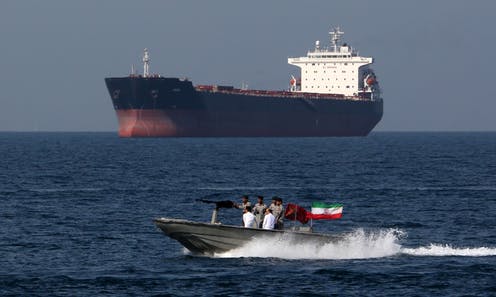
The ongoing conflict, which began earlier this year, has significantly disrupted global energy markets and trade routes, particularly through the Strait of Hormuz—a critical passage for oil shipments. Iran has restricted most foreign shipping in the area, further escalating tensions.
Diplomatic efforts remain complicated. Iran has proposed postponing nuclear discussions until the conflict formally ends, a condition rejected by the U.S., which demands immediate negotiations on the nuclear issue. Meanwhile, internal changes in Iran’s leadership structure, following the death of Supreme Leader Ayatollah Ali Khamenei, have reportedly strengthened hardline factions, making compromise more difficult.
Global markets are reacting to the uncertainty, with oil prices rising amid fears of prolonged supply disruptions. Analysts warn that continued instability could drive energy prices higher in the coming years, adding further pressure to an already fragile global economy.







