


 QNT Whales Move $10M to Exchanges After 400% Rally
  Second DOJ Lawyer Exits Trump Probe
  Trump, Tech Leaders Sign ‘Morally Binding’ AI Safety Accord
  Strategy Buys 1,665 Bitcoin as BTC Holdings Reach 847,666
  Aztec Revives zk.money for Private Ethereum Payments
  OpenAI Scraps GPT-6.1 Astra Launch Over Safety Concerns
  Malaysia Begins Deportation of 1,500 Myanmar Nationals
  Grayscale Sees Zcash Gaining Market Share Against Bitcoin
  UK Police Probe Foreign State Link in RAF Fairford Plot
  TD Cowen Starts SpaceX at Buy, Sees AI Compute Driving Growth
  Japan Factory Output Unexpectedly Falls 1.7% in August
  Goldman Sachs Eyes John Waldron as CEO Successor
  China, US Extend Trade Truce Through January 10 After Trump-Xi Summit
  Israeli Settlers Attack West Bank Village, Block Palestinian Family’s Return
  CSL Partners With AWS to Bring AI Into Drug Research
  Judge Blocks Trump Election Conditions on Counterterrorism Grants
  Pepco Raises FY26 Earnings Outlook, Unveils €400 Million Buyback


 Add as a preferred source on Google
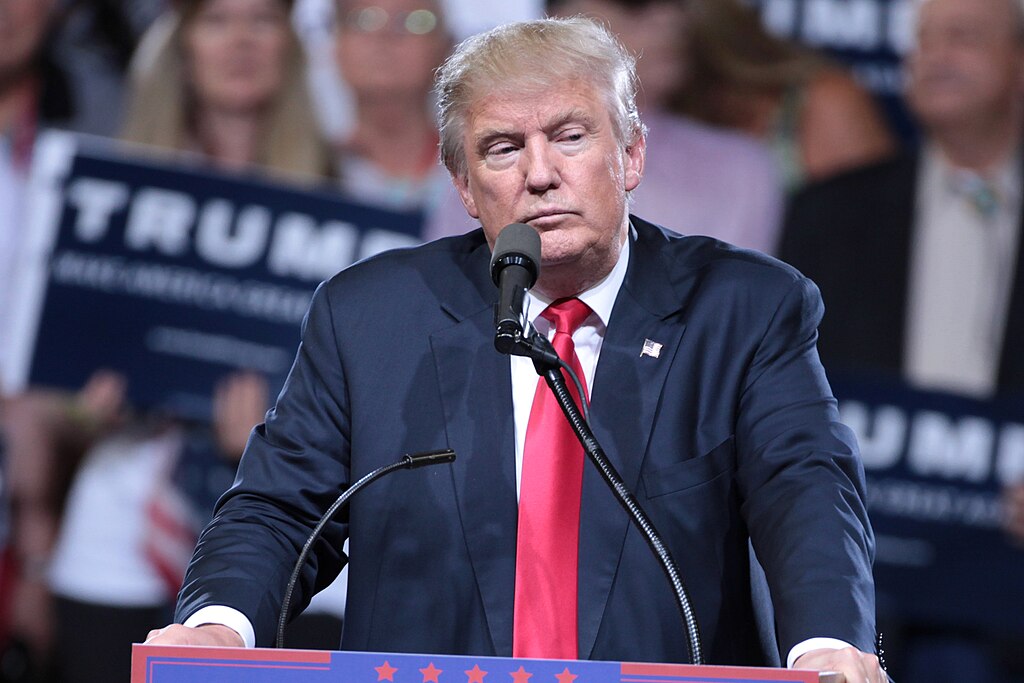
The “Trump trade” is back in focus following the dramatic market reactions to Donald Trump’s return to the White House. With equities soaring, Treasury yields climbing, and the U.S. dollar strengthening, Bank of America (BofA) strategists have outlined the economic forces driving these trends, forecasting major shifts across sectors.
In a recent note, BofA’s U.S. economics team dissected what they called three pivotal lessons from the market's reaction, highlighting the far-reaching implications of Trump’s policies on inflation, interest rates, and sector-specific performance.
Tariffs Drive Inflationary Expectations
The first key takeaway from BofA’s analysis centers on tariffs. Markets are anticipating significant tariff hikes, which have already begun influencing inflation expectations. According to BofA, this is particularly visible in the rise of short-term breakeven inflation, which measures the market’s forecast for inflation over a fixed period.
“Markets are pricing in higher tariffs and their immediate inflationary impact,” strategists noted. The resulting inflationary pressures have been more pronounced at the short end of the yield curve, with investors bracing for a costlier import environment.
This tariff-driven inflation could have broader implications, especially for industries reliant on foreign goods or labor. Construction and restaurant sectors, both highly dependent on imports and immigrant workers, may face increased operational costs, squeezing profit margins.
Structural Shift Toward Higher Rates
The second insight focuses on a structural shift toward higher policy rates. With Trump’s fiscal plans expected to include increased government spending, the outlook for Treasury issuance and the federal deficit has changed. BofA predicts that the Federal Reserve may raise policy rates to counterbalance what it describes as “a chronically easy fiscal stance.”
These developments have already impacted the long end of the yield curve, with nominal and real yields climbing in anticipation of a ballooning deficit. As borrowing costs rise, businesses across various sectors could feel the pinch, potentially slowing investments in growth.
Deregulation Fuels Sector-Specific Gains
The third key factor in the Trump trade is deregulation. Financial and energy stocks have emerged as the biggest beneficiaries of investor optimism surrounding potential regulatory rollbacks. Financials, in particular, led the charge, with BofA labeling the sector as “the biggest winner of the day.”
The energy sector has also seen significant gains, buoyed by expectations of more lenient regulations. Investors are betting that Trump’s deregulatory agenda could act as a tailwind, boosting profitability in these industries.
Mixed Outcomes for Other Sectors
While some sectors stand to gain, others could face challenges. Small-cap companies, for instance, are likely to encounter headwinds from higher tariffs and labor cost inflation. On the flip side, M&A opportunities in healthcare, IT, and smaller banks could provide a much-needed boost to these sectors.
For industries like construction and hospitality, tighter immigration policies and rising tariffs could result in higher operational costs, testing the resilience of labor-intensive businesses.
The Future of Trump Trade
BofA’s analysis underscores the complexities of the Trump trade. While some sectors may benefit from deregulation and fiscal spending, others face significant risks tied to tariffs and inflation. Investors should brace for heightened volatility and adopt sector-specific strategies as markets adjust to the new policy environment.







