


 Gold Holds Near Seven-Week Low as Fed Rate Hike Bets Rise
  Gold Plunges 4% as Treasury Yields Surge and Fed Rate Hike Bets Rise
  Haiti Gang Retaliation Kills at Least 11 in Artibonite
  Trump, Tech Leaders Sign ‘Morally Binding’ AI Safety Accord
  Pi Network Price Holds $0.087 as Protocol 28 Mainnet Upgrade Nears
  RBA Set for September Rate Hike as Inflation Stays High
  US Forces Exit Iraq as Iran Influence and ISIS Risks Grow
  Robinhood Chain Meme Coins Slide as Stock Token Locks Rise
  US Stocks Slip as Treasury Yields Ease, AI Trade Rebounds
  Rubio Warns Cuba to Change Course as US Pressure Mounts
  UN Condemns Myanmar Airstrike That Kills 50 in Rakhine
  Cboe Extends SPX Options Deal, Eyes Tokenized Contracts
  QNT Whales Move $10M to Exchanges After 400% Rally
  Grayscale Sees Zcash Gaining Market Share Against Bitcoin
  TSA Removes Chairs for Airport ID Check Officers
  US Dollar Hits Two-Month High as Aussie, Pound Slide
  Pope Leo Urges Europe to Pursue Peace Through Compromise


 Add as a preferred source on Google
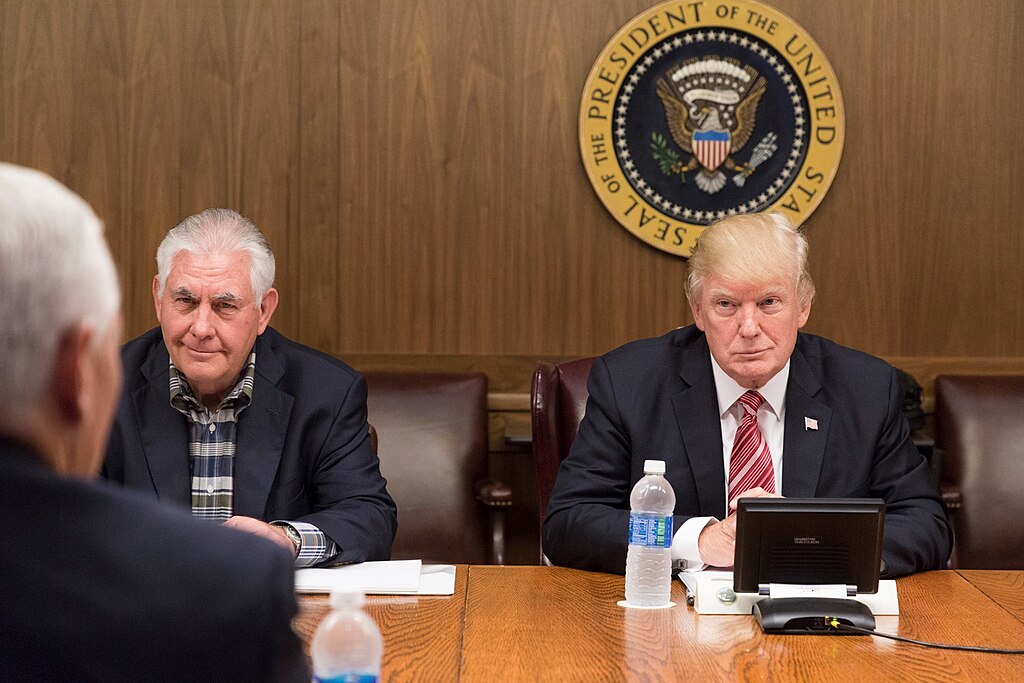
The Republican Party’s decisive victory in the 2024 elections has reignited comparisons to its 2016 “sweep” that handed the GOP control of both the White House and Congress. However, while the broad goals of the Republican agenda remain similar, key differences in Congressional dynamics and policy approaches reveal the unique challenges of governing in 2025.
In both election cycles, Republicans secured majorities in the House and Senate, along with the presidency. Yet, the numbers tell a slightly different story this time around. The Senate majority has expanded to a 53-47 split, compared to the 52-48 margin in 2017, giving Republicans slightly more room to maneuver on legislative and confirmation votes. Meanwhile, the House majority has significantly narrowed, leaving the GOP with a single-digit lead—a far cry from the 23-seat cushion enjoyed during Trump’s first term.
A More United but Fragile GOP
One significant distinction is the level of Congressional support President-elect Trump is expected to receive. Unlike in 2016, his second term begins with a GOP caucus more closely aligned with his agenda. Analysts highlight the influx of Trump allies in the House as a potential boost to party unity on critical votes, even with the slim majority.
However, intra-party friction could still emerge. Some returning Republican lawmakers previously voted to impeach Trump, indicating that divisions within the GOP could complicate efforts to pass controversial policies. The tight House margin also raises the stakes for every vote, making bipartisan support or concessions to moderate Republicans critical for legislative success.
Tax Cuts and the IRA Repeal Loom Large
Tax reform remains a cornerstone of the Republican policy agenda, echoing the goals of Trump’s first term. This time, however, the focus has shifted toward using a repeal of the Inflation Reduction Act (IRA) to fund new tax cuts. While the GOP views this as a way to advance its fiscal priorities, the move is fraught with risks. Many Republican lawmakers represent districts that benefit from IRA-funded projects, potentially forcing leadership to negotiate compromises on contentious items like state and local tax (SALT) deductions.
“These dynamics make the road to tax reform far more complicated than in 2017,” analysts at Raymond James observed in a recent report.
Challenges in Appointments and Policy Execution
Trump’s second term also faces hurdles in staffing critical administration roles. While early appointments suggest a continuation of his immigration and energy policies, Senate confirmation battles loom large. Trump’s team has reportedly considered recess appointments to bypass Senate delays, but legal limits on this tactic could hinder its effectiveness.
Additionally, the tighter House majority may restrict efforts to reverse key Democratic policies, such as the IRA, and could force Republicans to scale back their legislative ambitions.
A New Era of GOP Governance
Despite these challenges, analysts see opportunities for the Republican Party to enact significant policy changes. While echoes of 2016 remain in the pursuit of tax reform, deregulation, and conservative judicial appointments, the narrow majorities in Congress require a more strategic approach.
As President-elect Trump prepares for his second inauguration, the GOP’s focus will be balancing its sweeping policy ambitions with the realities of a closely divided legislature.







