


 Macron Challenges Trump’s Gaza Peace Claims at UN
  Trump Says ‘Freedom’ Is Coming to Cuba
  Zelenskiy Warns Russia Preparing Major Attack on Ukraine
  Netanyahu Takes Aim at Mamdani as Israel Election Nears
  Ghana Says Western Support Growing for Slave Trade Reparations
  Iran Vows ‘Crushing’ Response as US Talks Continue
  Trump Administration Plans Faster FDA Reviews for Smoke-Free Nicotine Products
  US Invites Putin to Miami G20, Opening Door to Trump Summit
  Trump Board of Peace Unveils $2.45 Billion Gaza Recovery Plan
  Taiwan Vows to Advance US Arms Sales Ahead of Trump-Xi Meeting
  Mexico-US Trade Talks Delayed to October as Tariff Negotiations Continue
  Russian Strikes Kill Eight Across Ukraine as Energy Sites Hit
  Marco Rubio to Meet Russia’s Lavrov in New York
  Trump to Press Xi on Release of US Nuclear Expert Held in China
  South Korea, US Discuss Warship Building Cooperation
  US, China Extend Trade Truce to Jan. 10 Ahead of Trump-Xi Summit
  Sudan Rejects US Legitimacy Remarks, Defends Sovereignty


 Add as a preferred source on Google
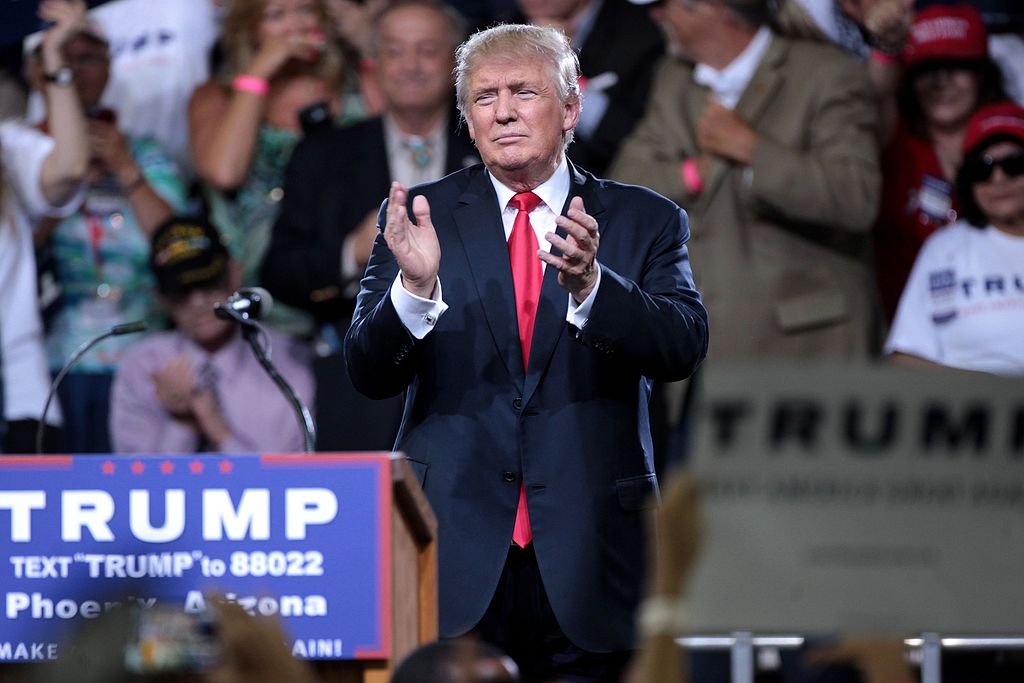
In a statement stirring controversy across the political spectrum, former President Donald Trump suggested he might grant pardons to individuals convicted in connection with the January 6 Capitol riot “maybe in the first nine minutes” of his potential second term. Trump’s remarks, delivered at a campaign rally in Des Moines, Iowa, drew widespread reactions, with supporters hailing his commitment to addressing perceived injustices and critics warning of the implications for democratic accountability.
Trump did not provide specifics about who might be pardoned but reiterated his long-standing assertion that many January 6 participants were “treated unfairly” by federal prosecutors. Legal experts, however, contend that such an action could embolden anti-democratic behavior, further polarizing an already divided nation.
Widespread Reactions from Supporters and Critics
Trump’s comments immediately ignited fierce debates online, with reactions reflecting the nation’s deepening political divides. While his base applauded his remarks as a stand against government overreach, opponents expressed alarm over the potential repercussions.
Here’s how netizens reacted on social media:
- @PatriotJoeUSA: “Finally! Someone standing up for the patriots who fought for election integrity. Trump 2025 can’t come soon enough!”
- @JusticeMatters: “Nine minutes? That’s all it takes for Trump to undermine the rule of law. Unbelievable.”
- @MAGAForever2025: “Trump is a hero for even thinking about this. The real criminals are in Congress, not jail!”
- @DemocracyWins: “This is not just reckless; it’s dangerous. Pardoning insurrectionists sends a terrifying message.”
- @TruthAndOrder: “Only Trump has the guts to fix the mess Biden and his DOJ created.”
- @ResistNow: “If Trump does this, he’s giving the green light to extremists. America deserves better leadership.”
Legal and Political Implications
Legal analysts warn that Trump’s proposed pardons could set a dangerous precedent, potentially undermining the justice system and emboldening extremist groups. Experts argue that pardoning individuals involved in the January 6 events would signal a tacit approval of the actions that led to one of the darkest days in American democracy.
However, Trump’s defenders argue that the move would highlight his commitment to “draining the swamp” and exposing alleged governmental overreach. They also point to past presidential pardons, including those by Bill Clinton and Barack Obama, to assert that such actions fall within the normal scope of executive power.
The timing of Trump’s statement, as he campaigns for re-election, raises questions about whether the comments are a political strategy to energize his base or a genuine commitment to addressing what he calls “gross injustices.”
What Comes Next?
As Trump continues to dominate the Republican primary, his statements about January 6 pardons have become a focal point for both his supporters and opponents. While his base remains steadfast, critics warn that such rhetoric could deepen the nation’s divisions and further erode trust in democratic institutions.
Political analysts suggest that Trump’s comments are part of a broader strategy to reclaim his narrative on the January 6 events. Whether this approach helps or hinders his campaign remains to be seen.







